An unexpected gift appears inside a child’s online game. It may be a new skin, a rare weapon, or a few credits that help a young player level up.To a parent, it may look like pixels changing hands. To … Continue Reading
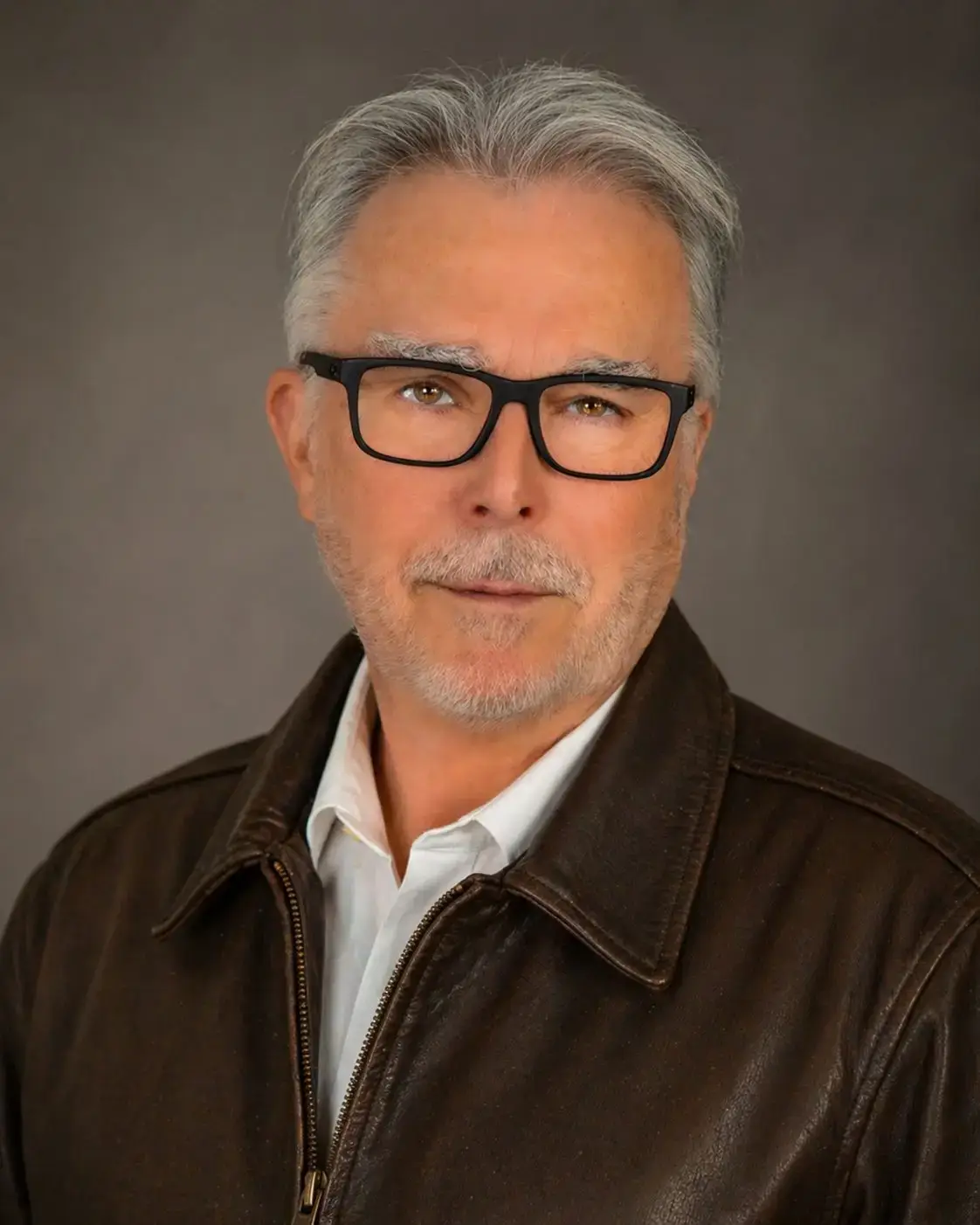
The reporter behind the stories
About Robert Riggs
Peabody Award-Winning Investigative Reporter, Author, and Host of True Crime Reporter®
Robert Riggs has followed investigations from Congress to crime scenes, courtrooms, prisons, and war zones. His work examines violent crime, corruption, terrorism, corporate negligence, and threats to public safety.
Today, he brings that firsthand experience to True Crime Reporter®, his books and documentaries, and the Stories to Keep You Safe newsletter.
Peabody Award · Three duPont-Columbia Awards · ABA Silver Gavel
Original Reporting. Firsthand Sources.
Every account is built on firsthand interviews, documents, records, research, and years spent in the field asking difficult questions of people who lived through the danger, investigated it, caused it, or tried to bury it.
Decades of reporting have given Riggs access to investigators, prosecutors, survivors, whistleblowers, experts, and offenders. His work follows cases long after the headlines fade.
True Crime Reporter®: Crime, Danger, and Accountability
Riggs founded the podcast to take listeners inside stories they have never heard—or reveal new, meticulously sourced details about cases they thought they knew.
The reporting stretches from notorious Texas crimes to scams, artificial intelligence threats, corporate negligence, and stories of survival. Riggs also interviews nonfiction authors about the reporting behind their books.
For listeners, the purpose is practical as well as revealing: understand how predators choose their victims, how institutions fail people, and how to recognize danger before it is too late.
Stay One Step Ahead of Danger
with
Stories to Keep You Safe
Recognize the warning signs before you become a victim.
Get Robert Riggs’ newsletter for reporting on violent crime, AI threats, and hidden dangers—plus practical steps to help protect yourself and your family.
Investigating Kenneth McDuff and Texas Prison Corruption
As an investigative reporter, Robert Riggs spent years exposing corruption and misconduct inside the Texas prison and criminal justice systems.
His reporting took him from prison cellblocks and parole hearings to the Texas Legislature and the death chamber, uncovering failures that allowed violent offenders to return to the streets and examining the political and bureaucratic decisions behind them.
His investigations into parole practices and prison corruption helped reveal how breakdowns inside the system could carry deadly consequences for the public.
In a series of investigative reports, Riggs exposed how the Texas Parole Board, operating under a cloud of corruption, released serial killer Kenneth McDuff.
His reports led to a major overhaul of the Texas Penal Code dubbed the “McDuff Laws” and prompted a massive expansion of its prison system to keep violent offenders behind bars.
From Investigation to Documentary: Freed to Kill
Riggs, as an Executive Producer, spun off his True Crime Reporter® podcast series about McDuff into a hit television documentary titled Freed To Kill.
The five-part series premiered on Fox Nation Streaming in March 2022. Two months later, it received a Telly Award for television documentary.

After watching the first episode, retired CBS News Anchor Bob Schieffer, who appeared in the series, said, “This is the story of pure evil, and you told it well.”
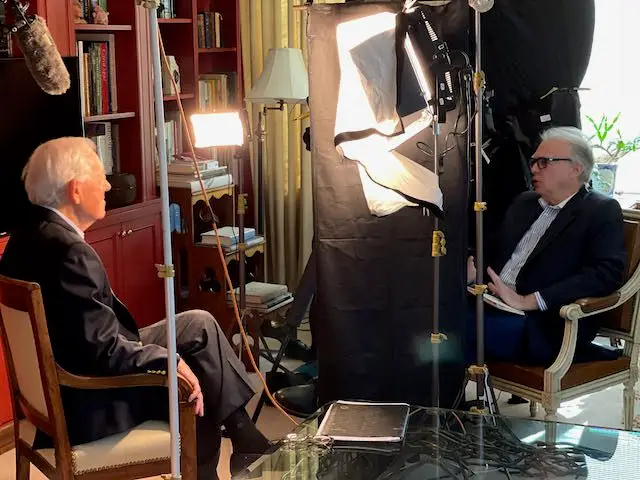
The documentary revealed how Riggs’ intrepid reporting style involves old-school “shoe leather” tactics – knocking on doors, tracking down sources, and uncovering facts. He embodies the “all we want are the facts, ma’am” ethos of the iconic TV show Dragnet.
Go Deeper Into the Stories

Latest publication
Texas Crime Stories
Blood & Betrayal
Riding Herd on the Lawless · Vol. 1
Some stories demand more than an episode.
Join Peabody Award-winning investigative reporter Robert Riggs for a deeper look inside chilling Texas crimes—drawn from original reporting, firsthand interviews, and decades spent following cases from crime scenes to courtrooms.
Awards and Professional Recognition
Peabody and duPont-Columbia Awards
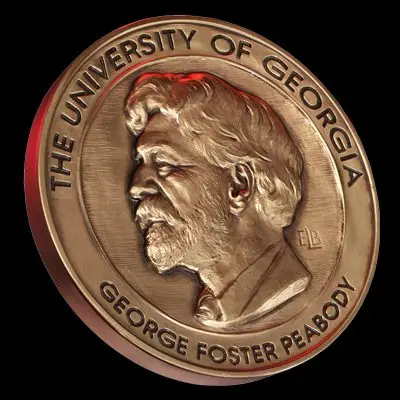
Riggs’ investigative reports on television sent corrupt officials to prison, told impactful stories that catalyzed changes in public policy, and garnered praise from top journalism institutions and law enforcement.
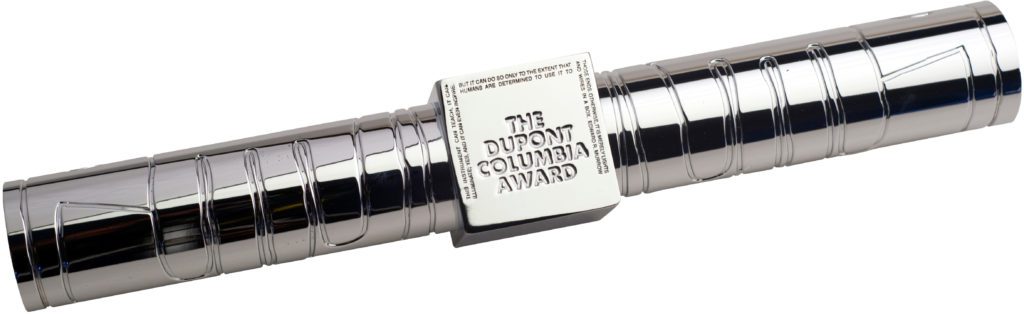
Riggs’ peers in journalism recognized him as one of the nation’s premier investigative reporters during his career in broadcast television. He received the coveted George Foster Peabody Award for Investigative Reporting and three Alfred I. duPont Columbia University Journalism Awards for Investigative Reporting.
Webby Recognition for True Crime Reporter®

In 2021, the podcast was honored with a 25th Annual Webby Award for Best True Crime Podcast.
Claire Graves, Executive Director of The Webby Awards, stated, “Honorees like Robert Riggs and the True Crime Reporter®’s podcast are setting the standard for innovation and creativity on the Internet. It is an incredible achievement to be selected among the best from the nearly 13,500 entries we received this year from 50 states and 70 countries.”
Dallas Crime Commission Recognition
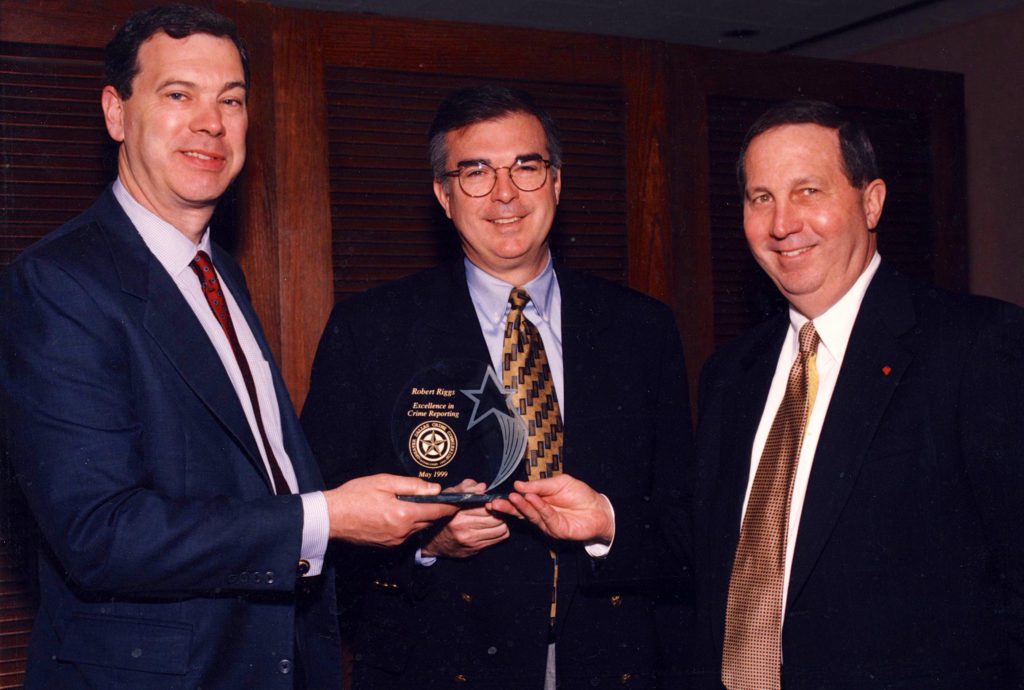
The Dallas Crime Commission awarded its first-ever “Excellence in Crime Reporting Award” to Riggs in 1999. His reports uncovered how black tar heroin traffickers from Mexico preyed on teenagers in Plano, Texas. Dozens of teens suffered deadly overdoses, unaware that the “Chiva” they were taking was heroin.
American Bar Association Silver Gavel
The American Bar Association awarded Riggs its Silver Gavel award in 1994 for his investigative series Freed to Kill. He uncovered systemic corruption inside the Texas parole and prison systems.
The investigation spanned more than three years and exposed allegations that Kenneth McDuff, a notorious serial killer, had paid bribes to receive early parole. Dubbed a “killing machine”, McDuff left a trail of bodies after his release from prison. He became the first person in Texas history to receive three death penalty convictions for murder.
Riggs discovered that McDuff’s release was just the tip of the iceberg. Dozens of violent criminals were released under a corrupt system. They spread a wave of terror across Texas in the 1990s.
Riggs’ investigative reports about the McDuff parole scandal prompted the federal prosecution of top state officials and the first overhaul of the Texas penal code in twenty years. The legislature enacted a mandatory life sentence for violent offenders named the “McDuff Law”.
Texas A&M Outstanding Alumnus
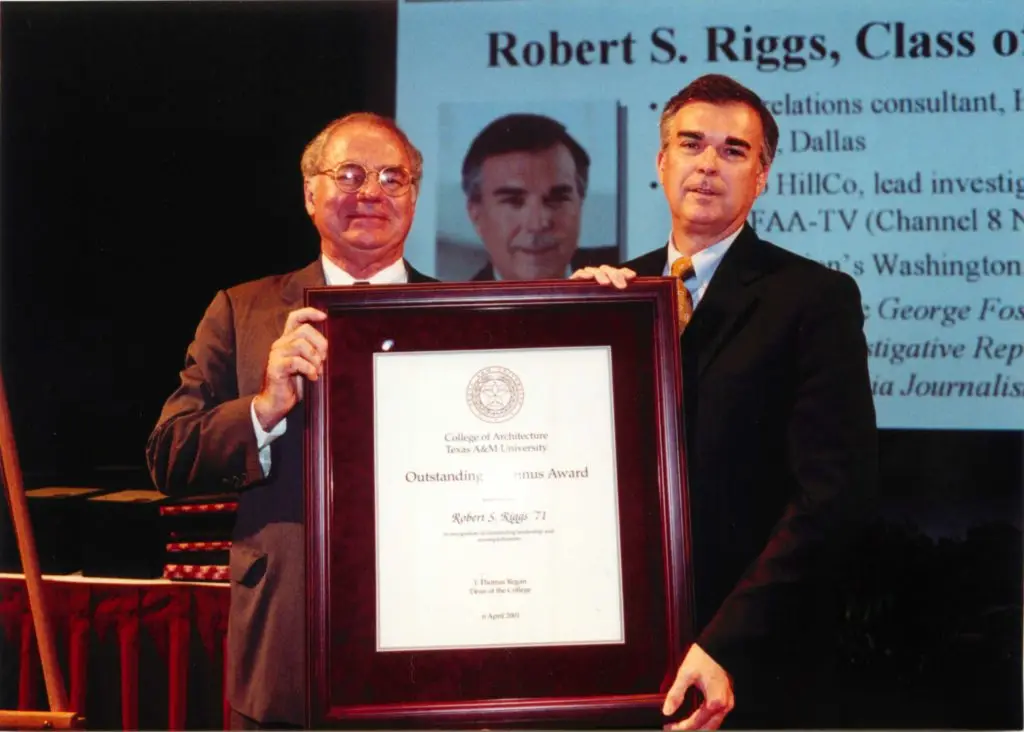
Texas A&M University honored Riggs as an Outstanding Alumnus from the College of Architecture in 2001. The College recognized his achievements in journalism.
Riggs was the first non-practicing architecture graduate to receive the award in its 100-year history. It is a distinction awarded to fewer than 1% of its graduates.
Reporting From War Zones
During three decades of television news reporting, Riggs traveled far beyond America’s streets under fire in Iraq while embedded with U.S. troops and pursuing terrorists across Europe.
As an embedded reporter for CBS in 2003, he covered the invasion of Iraq from the front lines with an Army Patriot Missile air defense battalion, 552ADA.
The unit was among the lead elements of the attack. It contained PFC Jessica Lynch and fellow soldiers of the 507th Maintenance Company who were victims of a deadly ambush and capture during the opening days of the war.
A year later, in 2004, Riggs received a call from a young officer in the battalion who said soldiers were being scapegoated for a flawed weapons system.
Riggs investigated the cause of two deadly friendly fire incidents involving the Patriot Missile System and a friendly fire missile strike on the very Patriot missile unit he was embedded with.
His investigative series became the featured subject of an edition of CBS 60 Minutes. It also changed the USAF’s combat theater operations.
Washington and Major Breaking News
When Riggs was Bureau Chief for WFAA-TV (Channel 8 News) in Washington, D.C., he covered the White House, Congress, Pentagon, and State Department during the administrations of President Ronald Reagan and President George H.W. Bush.
Riggs has appeared as a guest correspondent on ABC Nightline with Ted Koppel. CBS 60 Minutes and CBS News Online featured his investigative reports from Iraq.
He reported from the “eye of the storm” of major breaking news stories, including the mass murder at the Luby’s Cafeteria in Texas, the 51-day Branch Davidian siege in Waco, the Oklahoma City bombing, the standoff with the Republic of Texas separatists, and numerous natural disasters.
His reports appeared on WFAA-TV Channel 8 News, KTVT-TV CBS-11, CBS Evening News, CBS 60 Minutes, ABC Nightline, CNN, and ESPN.
Investigating Terrorism and Public-Safety Threats
Before the September 11, 2001 terror attacks occurred, Riggs had been reporting on threats with weapons of mass destruction since 1999.
In this connection, the University of Virginia Critical Incident Analysis Group and the FBI selected Riggs in 2000 as an expert member of a multi-disciplinary panel that examined the architecture of terrorism and the symbolism of its targets.
Meeting near the birthplace of Thomas Jefferson, the panel produced a landmark report entitled “Threats to Symbols of American Democracy” that prophetically identified vulnerabilities that would later tragically unfold during the 9-11 attacks.
Riggs’ coverage of Iraq continued upon his return to Texas with a series of groundbreaking reports in late 2004 and early 2005.
In November 2004, Riggs was the first reporter permitted to fly on a post 9-11 U.S. Air Force Patrol to defend against terrorist hijackers.
In another exclusive, Riggs reported from the U.S. Air Force drone command post at Nellis Air Force Base on how the unmanned aircraft were being used in Iraq and Afghanistan.
He and producer Todd Bensman uncovered how terrorists were using the Internet to recruit suicide bombers for attacks against U.S. soldiers.
They followed the trail to the United Kingdom, which had become a breeding ground for jihadists. The intrepid team resisted interference from their bosses at CBS and aired a landmark series of reports.
Five months later, on July 7, 2005, terrorists hit the London transit system with a coordinated series of four attacks.
Explosions ripped through three trains on the London Underground, killing 39. An hour later, 13 people were killed when a bomb detonated on the upper deck of a bus in Tavistock Square. More than 700 people were injured in the four attacks.
In its wake, a top British terrorism expert declared Riggs’ earlier reports “prophetic”
In 2007, Riggs exposed the wholesale theft of billions of dollars worth of Iraqi oil. Militias and corrupt officials were using the ill-gotten gains to fuel violent attacks on the U.S. military.
Riggs is a member of the North Texas Chapter of the FBI-affiliated InfraGard National Members Alliance, which is dedicated to protecting the nation’s critical infrastructure. InfraGard was formed in response to the 9/11 terror attacks.
Congressional Investigations
Before journalism, Riggs served as an investigator on the Joint Committee on Defense Production for the legendary Congressman Wright Patman of Texas, spearheading inquiries that reached into the Watergate scandal and exposed Pentagon bribery schemes.
Representative Patman, as Chairman of the House Banking Committee, attempted to launch the first congressional investigation into the Watergate Scandal.
Patman’s Administrative Assistant, Baron I. Shacklette, a legendary investigator on Capitol Hill, helped Riggs hone his investigative skills.
Riggs served as the Chief Investigator for the Joint Committee on Defense Production.
The Committee’s investigations picked up trails of corruption where the Watergate investigation left off.
While working for the Committee, Riggs reported to its Joint Chairmen, Congressman Patman, and Senator William Proxmire.
The Committee’s investigation of a defense contractor’s bribery scheme contributed to the passage of the Foreign Corrupt Practices Act.
Riggs held a Top Secret security clearance from the Department of Defense and received training from both the GAO and U.S. Army.
In my own words
From Congress to the Newsroom
Following the Money After Watergate
My investigative reporting career evolved out of working for Congressman Patman. I became a legislative assistant for Mr. Patman upon graduation from Texas A&M in May 1972.
Later, I served as an investigator for the Joint Committee on Defense Production, which was established by the Defense Production Act of 1950.
The chairmanship rotated between Mr. Patman and Senator William Proxmire. Senior committee staff previously worked for the Central Intelligence Agency, military intelligence, and think tanks. Our work required a top secret security clearance.
The committee’s investigation of the overseas Pentagon bribery scandal was a spinoff of the Watergate scandal.
Five operatives linked to President Nixon’s reelection campaign were arrested shortly after midnight on June 17, 1972, during a break-in of the Democratic National Committee headquarters in the Watergate hotel and office complex located by the Potomac River in Washington, D.C.
The burglars had returned to check listening devices that had been planted there earlier.
Congressman Patman, as Chairman of the House Banking Committee, launched a staff investigation that traced cash found on the burglars to a money laundering scheme that stretched from Mexico to Miami.
Mr. Patman attempted to subpoena Nixon Administration officials to answer questions under oath before his committee to explain how the cash ended up in the Nixon Administration’s campaign coffers.
A vote to issue subpoenas in October 1972 failed when several Democratic members joined all Republican members of the committee in opposing it.
I attended the hearings and smelled a rat. Years later, some of the Democratic members who opposed the subpoenas were convicted of federal bribery charges. No surprise to me.
Then House Minority Leader Gerald R. Ford mustered the opposition behind the scenes to squelch Patman’s investigation.
Slate has produced an excellent podcast about Watergate. Episode #2 digs into Chairman Patman’s investigation. Here’s a link to download Patman’s investigative report from my personal archive.
Two months after stopping the Patman investigation, Nixon swept the 1972 presidential election in an historic landslide.
Mr. Patman’s investigation provided the impetus for the Senate Watergate Committee, officially known as the Select Committee on Presidential Campaign Activities.
It was a special committee established in 1973 after the Nixon Administration blocked Congressman Patman’s attempts to investigate the break-in at the Democratic National Committee.
Revelations by the Washington Post reporters Bob Woodward and Carl Bernstein, driven by leaks from a source dubbed “Deep Throat”, had connected the burglary and other political crimes to President Richard Nixon’s re-election campaign.
Their story was later turned into the hit movie All the President’s Men. Their reporting and book by the same name influenced my interest in becoming an investigative reporter.
It confirmed a technique that I was using in my congressional inquiry and later used in my television reporting. Approach people at home where they are relaxed and ask for their help. I found that some people unburden themselves and share part of the story.
Investigating Defense-Contractor Bribery
The Watergate committee uncovered illegal cash donations from defense contractors flowing into Nixon’s campaign fund known as “CREEP”, a derisive popular acronym for the Committee for the Re-Election of the President.
The money poured out of slush funds used by some aerospace contractors to bribe foreign officials in exchange for the purchase of their aircraft.
The dirty money was disguised as marketing expenses and charged against Pentagon contracts, meaning American taxpayers were footing the bill for the bribes.
A notorious agent wore a tailored trench coat lined with hidden pockets to transport thousands of dollars in cash on flights to the United States.
It was disbursed to the Nixon campaign and used to improperly entertain Pentagon officials responsible for buying weapon systems.
During this time frame, Ford became vice president when Nixon appointed him under the Twenty-fifth Amendment following the resignation of VP Spiro Agnew in December 1973.
Agnew resigned after pleading no contest to federal tax-evasion charges stemming from accepting kickbacks from contractors while he was Baltimore County executive and governor of Maryland.
Ford assumed the presidency in August 1974 after President Nixon resigned rather than face impeachment because of his role in the Watergate scandal. Ford granted a controversial presidential pardon to Nixon for any crimes he may have committed against the United States as president.
During the bribery investigation, I discovered that members of Congress who controlled the purse strings for defense spending, along with their staff, were being improperly “wined and dined” by defense contractors.
I unearthed allegations that members of Congress and Pentagon officials were supplied with high-priced call girls at parties.
This hit too close to home, and Congress responded in 1977 by permanently cutting off funding for the committee’s salaries and expenses.
By then, I had left the committee following the death of Congressman Patman.
Congress officially abolished the Joint Committee on Defense Production in 1992.
The Mentors Who Pointed Me Toward Journalism
During my time on Capitol Hill, I struck up a friendship with Pulitzer Prize-winning newspaper reporter Clark Mollenhoff, Washington Bureau Chief of the Des Moines Register and Tribune.
Mollenhoff broke numerous stories about the Watergate scandal and malfeasance in Pentagon weapons programs. His noteworthy books include: Game Plan for Disaster, The Pentagon, and The Man Who Pardoned Nixon.
Mollenhoff was a charter member of the Investigative Reporters and Editors Association (IRE). Reporters from the nonprofit organization volunteered in 1975 to investigate the bombing murder of Don Bolles, a fellow reporter in Arizona. In those days, it was a small, close-knit group that provided great mentorship and resources.
After a stint on Capitol Hill and in Jimmy Carter’s 1976 campaign for President, I felt a calling to journalism. I believe in some respects that it is like the priesthood—you really should feel called to do it.
It is not without risks, whether reporting from a war zone or dealing with news management that tries to slant or spike critical news stories to curry favor with advertisers and friends in high places.
An Audition Tape and a Stack of Rejections
With Mollenhoff’s encouragement, I set out to break into television news and quickly learned that I needed an audition tape. How do you get an audition tape if you are not already on the news?
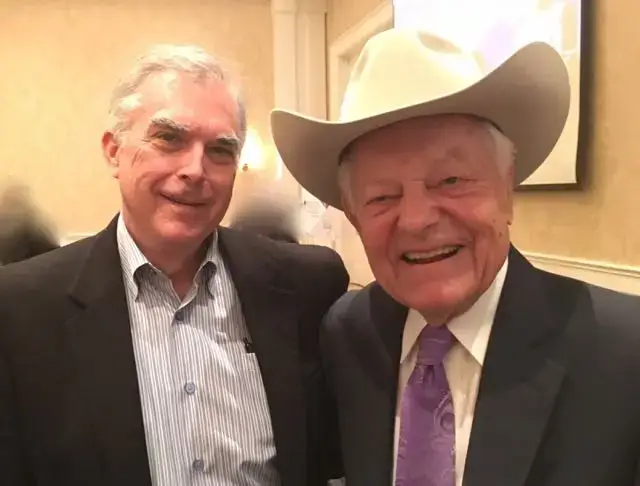
Fortunately, I had met Bob Schieffer, a fellow Texan from Fort Worth, who was then the Capitol Hill correspondent for CBS News. Bob is the genuine article. The nice man you see on TV is what you get in person.
Schieffer took pity on this fellow Texan and secretly loaned his camera crew to me. My on-camera presence, called a “stand-up,” was absolutely awful. I received a slew of rejection letters in response to my audition tape.
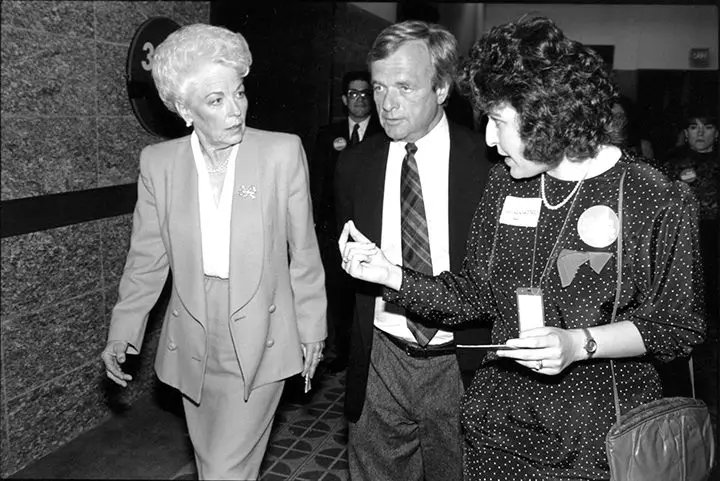
After receiving a particularly cruel assessment of my on-air presence from a news director, I stopped by the Capitol Hill studio of Bob Squier. Bob had taught filmmaking at the University of Texas, and we had struck up a friendship shortly after I arrived to work for Congressman Patman.
At that time, Squier was an upstart producer of political TV spots for Democrats. Squier worked out of a cramped English basement apartment a few blocks from the House office buildings. He became one of the most sought-after and respected consultants for presidential and Senate campaigns nationwide.
The rejection letter had deflated me, and I asked Bob if it was time to give up. Squier shared a story from when he worked on the floor crew at a small-market television station in the Midwest. The news director charged onto the set at the end of a newscast. He belittled the anchor in front of the crew and fired him. The anchor loaded his family into a U-Haul and drove away in search of another job. Bob delivered the punch line: it was Harry Reasoner of ABC and 60 Minutes.
Breaking Into Television News
With spirits uplifted, I returned to Schieffer for advice. He and his producer, Charlie Thompson, emphatically stated that my goal should be to work for WFAA-TV Channel 8 News in Dallas.
They described it as a mini-news network with the best reporters, photographers, and staff in the nation. They stressed that WFAA’s excellence resulted from the leadership of its News Director, Marty Haag, who they described as the Edward R. Murrow of local news.
I called Marty immediately, and he invited me to fly to Dallas to meet in Channel 8’s Newsroom. During the meeting, Marty explained that I had the investigative skills, but was too green for a TV broadcast in a market the size of Dallas.
Haag suggested that I freelance produce a series of investigative reports on a Texas-related subject from Washington, D.C., for a new show on WFAA called Evening Magazine. That series of reports became my audition tape and led to a 30-year run in television news. I will forever be indebted to my WFAA mentors, Doug Fox, Marty Haag, and John Miller.
It took me more than a year to get my first reporting job in television. I became an investigative television reporter covering New York State government for a CBS station newly purchased by Viacom.

My First duPont-Columbia Award
In 1981, I received a duPont Columbia Journalism Award for “Downhill Dollars.” The multi-part series investigated the construction of facilities for the 1980 Winter Olympics and allegations of corruption surrounding it.
The duPont was my first and Viacom’s first.
The same dogged determination to break into the broadcast television industry would serve me well as a reporter.
Grounded in Texas grit and guided by an unwavering belief in truth, I tried to tell the stories that mattered with the courage to go where they lead and the resolve to see them through, as described in the ceremony for my third duPont Columbia University Award for Investigative Reporting.
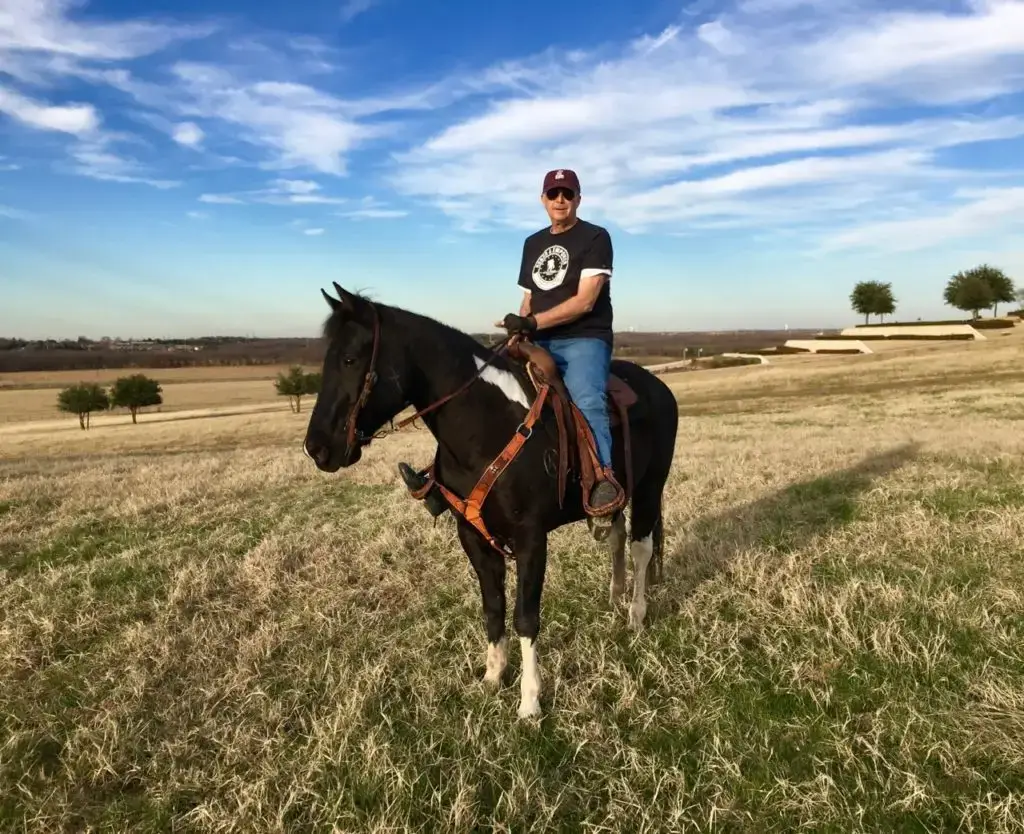
Beyond the Reporting
Outside of reporting, I enjoy the frontier spirit of Texas through my love of horses and my Great Dane Bob.
It offers an escape into nature that balances my high-octane work.
Frequently Asked Questions About Robert Riggs
Who is Robert Riggs?
Robert Riggs is a Peabody Award-winning investigative reporter, author, filmmaker, and host of the True Crime Reporter® podcast. His career has taken him from congressional investigations and national television reporting to crime scenes, prisons, courtrooms, war zones, and major breaking-news events.
What is Robert Riggs known for?
Robert Riggs is known for investigative reporting about violent crime, serial killers, corruption, failures in the criminal justice system, terrorism, war, corporate negligence, and threats to public safety. His investigations into the Texas prison and parole systems exposed failures that allowed violent offenders, including serial killer Kenneth McDuff, to return to the streets.
What awards has Robert Riggs received?
Robert Riggs has received the George Foster Peabody Award for investigative reporting, three Alfred I. duPont-Columbia University Journalism Awards, the American Bar Association Silver Gavel Award, and the Dallas Crime Commission’s Excellence in Crime Reporting Award. True Crime Reporter® was also honored by the Webby Awards for Best True Crime Podcast.
What is the True Crime Reporter® podcast about?
True Crime Reporter® goes beyond sensationalized retellings to examine infamous criminals, dangerous minds, corruption, scams, artificial intelligence threats, corporate negligence, survival, and public-safety failures. Episodes are grounded in firsthand interviews, documents, records, research, and Robert Riggs’ decades of investigative reporting experience.
What is Stories To Keep You Safe?
Stories To Keep You Safe is Robert Riggs’ companion newsletter focused on helping readers recognize and understand danger. It draws lessons from investigators, crime survivors, safety experts, offenders, and people who have faced danger firsthand to explain criminal tactics, scams, emerging AI threats, defective products, corporate negligence, and practical ways to stay one step ahead.
Keep Following the Story
Recent Story
Inside 764: Online Terror Network Preying on Teenage Girls
By Robert Riggs Summary: The violent online network 764 targets vulnerable teenage girls, earning their trust before using intimate images and personal information for blackmail. Members … Continue Reading
When the Voice on the Other End Sounds Human But Isn’t
By Robert Riggs … Continue Reading