Robert Riggs
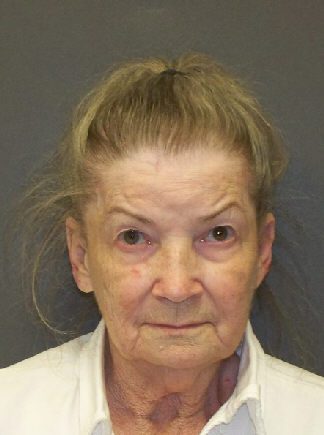
This is the story of two botched murder attempts by hired hitmen, and what happened when 65-year-old Joyce Sturdevant took matters into her own hands. I'm Robert Riggs here with a true crime reporter confidential. This case of murder languished as a cold case for two years until my co-host, former U. S. prosecutor Bill Johnston, launched an investigation. One of the most common forms of homicide is when one half of the couple kills the other, women are usually the victims of this form of homicide. Only 1% of male victims are killed by a partner. On October 28, 2008, 65-year-old Joyce Sturdevant called 911. She claimed to have found her husband in a pool of blood in the bed where he slept. 68-year-old Joe Sturtevant, a brawny, bullish man, a champion stock car racer in Texas, had been shot at close range in his head and back. Police suspected Joyce did it, but the local district attorney then in Waco, Texas, didn't think there was enough evidence to prove his case, so Joyce Sturdivant had gotten away with murder until Bill Johnston received a phone call.
Bill Johnston
Bill, who was on the other end of that phone call? Well, it was the son of this woman, Joyce Sturdivant, and it's a strange thing to hear, even at our office back in that time. But it was the words, "I think my mother killed my father, was what essentially was stated on the phone call, and I'd like to come see you. And I said that, of course, the reason that the person called was be was because that the in those in that time frame there had been a cover story for Texas Monthly magazine, and it had a picture of a man holding some beads and a cross, and it said, "Did this Baptist preacher murder his wife? Well, that was a Texas Monthly magazine story of something we've covered in the podcast, which is the Baptist preacher that murdered his wife, and that story got a lot of publicity in Texas and in the area, and there was a book written about it as well. And this fellow that called had read the book, and he knew that sometimes we looked into cold cases, and so he told me what he thought happened, why he thought it happened that way, and he was he was in the ballpark. I mean, in other words, he had some some facts and some suspicions, but I of course told him, "Wow, that you know that's quite an allegation. And based on what you're telling me, this is going to be a big project that we need to start work on because it's going to take a lot more than that.
Robert Riggs
So, did he believe that she had done it herself, or because what we would later learn is that twice she had hired hitmen and they were unsuccessful? She
Bill Johnston
had, yeah, and we'll tell why in a little bit. But yeah, she was quite determined to kill her husband, who who was the reason she had any money at all, and the reason she had her lifestyle was him, the husband.
Robert Riggs
And they had a transmission repair business in Robinson, Texas, just south of Waco. And they had some Waco. In Waco, yes.
Bill Johnston
And they had, yeah, they had they had probably the oldest transmission repair shop in the area for very well known. This Mister Sturdivant was a tough character. He would fight anybody. He was a he was, I would imagine, raised in the 40s, and was what they would call a tough. He would fight. He would carry on. But he was a very successful businessman. Had been for years, and his wife Joyce, just for reasons we'll talk about, was ready to get rid of him, and had tried and just had no luck. She was the least successful murder for hire candidate that we'd ever seen, and so with a little bit of information, I got a couple of investigators, retired investigators, federal marshals, and so forth that agreed to work on it with me, the same ones that had worked on the case involving the Baptist preacher. So off we went.
Robert Riggs
Well, before he came in back in the summer of 2007, she had approached this longtime family friend named Ali Abdullah Muhammad, known as Doc Muhammad, about killing her. Husband and told him she would pay off his delinquent tax bill. He hadn't paid his taxes, so he then enlisted a guy named Joe Chatman, who was his next door neighbor. This is quite a collection of characters here, to knock quote knock Big Joe out, and so she left the door unlocked to their home. He goes in with a gun to take care of business, and Big Joe, who you says a tough guy, wakes up and a fighter rubs, and Big Joe is whipping him and whips him, and the
Bill Johnston
the guy flees, barely maintaining his life.
Robert Riggs
But when Chapman is running out of the house, he sees Joy Sturdivant, the wife, in the bathroom, and with her her hands over her ears because she's waiting for the gunfire that never came.
Bill Johnston
She was waiting on the pop. That's right, and it never happened. And what a disappointment for Joey's poor thing. She was thought she'd hired just the right people. She hired a couple of amateurs, obviously, and it didn't work out for.
Robert Riggs
So then she makes a second go round a year later. There is a woman named Deborah Dietrich that worked for a parts company that delivered transmission parts to Big Joe's business. They would be in there talking, a complaining about their husbands to each other. Sturdivant said, "Joy says, you know, we just need to kill them. And the woman thinks she's joking, and she says, "No, I'm serious. Do you know anybody that could do the job? She then finds two guys, and the deal is, is Joy Sturdevant is going to give them jewelry in exchange for killing her husband. Gives them the jewelry. They take off with the jewelry and don't kill him. So apparently, not long after that, in the fall of 2008, she decides to do it herself.
Bill Johnston
She did, and those stories about the attempts were crazy. In other words, it was so unbelievable that someone would try to do that and have the nerve to try again and have the nerve to try yet again, but that was Joyce Sturdivant. She, it turned out that while she worked in the business, she didn't really do anything, but she had access to the billing and the finances. She was the one who made the deposits. So over a period of time, she began doing her own cash withdrawal from the books or from the embezzling. She was embezzling. She was embezzling, and she probably felt like, to some degree, that was her right. She co-owned the business with her husband, but it got a little out of hand. And what she was doing with the money, to a large degree, she was using drugs. She was she was hooked on pills, and she got to the point to where she was having to get street pills. She couldn't get prescriptions, and so she had a habit. And if you looked at her, you think she was little old grandmother, nice person. Oh, she's still wonderful, you know, baked cookies. But no, she wasn't. She was she was a hooked on drugs, and she was sick of her husband having to sneak around to get money from him. And at some point, he began realizing this isn't adding up. You know, we were supposed to make $10,000 last month, and we made three. And he begins questioning her, and he gets to the point where he is-he's, I would say, onto her. We don't know how much they confronted one another about it, but we do know he beget he was onto her and her drug supplier. It became known who that likely was, so we started narrowing narrowing the motive. In other words, a lot of women want to kill their husbands but don't do it. She had a reason because she was getting to get cut off from the money she needed to get drugs and to have her fun, it was party was coming to an end.
Robert Riggs
Well, when she solicited the first two hitmen, the family friend, she claimed that she was a victim of domestic violence and played on their sympathy.
Bill Johnston
Right, and that was all a bunch of baloney. I'm sure it wasn't a great relationship either way. She probably, if one of them whipped on the other, I would put Joyce right up there with having done the whipping because she was a mean character. But it really boiled down to she wanted money; she wanted to be able to do whatever she wanted to with her money, and she was stealing right out of the receipts of the business. And okay, that may be between them, but when he got wise to it, she thought the most logical way to handle this is just kill the guy. That's what she sought to do.
Robert Riggs
So, how does this come undone, and why isn't the prosecutor
Bill Johnston
pursuing a case? It happened in a small town. This was a second case we'd had just in a couple of years, where some patient digging and sewing together different pieces of fabric came to a pretty good conclusion of what happened. You had in both these cases, that is the Baptist preacher case and this one, you had it happen in a small town with a police department with very limited resources. In other words, they were not going to be the. Homicide guys around because they didn't work very many homicides. Homicides are a lot of work. The crime scene itself is very difficult to preserve properly. You have to know what you're doing. So both of those were not. DA wasn't interested, and the police department didn't get very far because they were small town police. They may not have done the best job, and the district attorney knew that and was skeptical, to say the least, skeptical.
Robert Riggs
All right, let's pause her break. We'll be back and pick up how you get involved. We were discussing how the police department was small town. They didn't have the resources of a big city department for homicides. The son of the killer comes to you and says, "I think Mama did it. What's your next step? Well,
Bill Johnston
in the Baptist preacher case, we had some luck in that I there was no criminal investigation underway in the Baptist preacher case. This is the Baptist preacher who murdered his wife, who's one of our podcasts, and so there was no way to find much out. There was no subpoena power or anything, so I sued him. I sued him for wrongful death. That gave me the chance. Sue Joyce. Well, well, I'm going back to the Matt Baker case.
Robert Riggs
Oh, okay. The
Bill Johnston
Baptist preacher case. In the Baptist preacher case, I sued him on behalf of the victim's mother, and that allowed me to have subpoena power to get documents, and it also allowed me to try to take depositions, just do a civil, civil version of a criminal investigation. We've done that several times, and it's it's hard to do, but it can be done. So, in the Sturtevant case, the one we're talking about now, I didn't know if a wrongful death case was merited yet, but because we were so thin on evidence, but there was an estate case. In other words, mr. Sturtevant had money. There was a probate of that, and there was there were funds to be distributed, and there was there were other financial issues, and so we interceded in that to try to keep this the certain monies from being distributed because we thought she was guilty of wrongdoing and if you're guilty of wrongdoing the law says you can't take in a will or otherwise because if you killed the person you can't take the money so it had to do with that and so again, it gave us process. It gave us the civil procedure available to us, which was subpoenas and depositions. And I keep going back to the Baptist preacher case. He made a big mistake. He let me take his deposition. Joyce Sturdivant, none the wiser from that whole case and the publicity of it, does the same thing. Her lawyer was convinced she was not only innocent, but she was a victim of this son. He was all he wanted was money, so her lawyer thought it was basically a joke. And he said to me before court on one occasion, "Bill, you've got to be kidding. You've really come up with some doozies, and if she killed him, I'll eat my hat, which is an old expression, you know, 100-year-old expression. Did he think
Robert Riggs
she's she's 65 or even? Well, by that time she's older. Did he think she was just a granny?
Bill Johnston
Sure. And there were so many people that she'd convinced the lawyer. So many people that wanted Joe dead, and so she had told these tales to the lawyer, the lawyer believed it and thought, "Poor Joyce and poor this Johnston fellow just just at it again. Here he goes. And so I told him, "Let's see, you know, we'll see who eats the hat here. And so again, astonishingly, she, the lawyer, let me take Joyce's deposition, and so I asked her, in essence, what happened? What happened that morning? What happened that afternoon? What happened that night? And everything she would, every sentence she would utter, I would was listening, and I would follow up on it. And her story about their dogs and the condition of the house and doors being locked-all of these things began to twist. She couldn't keep her story straight, and she finally-you could almost see the wheels turning. Here's what she thinks happened: She and Joe, her dear beloved husband, were at the grocery store, and these-well, I don't know if she called them African Americans because she was extremely racist, but she referred to these these people in the store and how they accosted her husband and how they used racial slurs and they and I said these are. Strangers, oh yes, and she told this crazy story to make it look like African Americans in the Central Texas area didn't like her husband. Well, they probably didn't like her because she was such a racist. She absolutely was, but so she was going to blame unnamed and unknown African Americans who she fabricated in a story which was not backed up by any other witness in a grocery store, so that must be who killed old Joe. Poor Joe, they broke into her house, and she was asleep, and they came in and must have killed him.
Robert Riggs
But they had all these dogs
Bill Johnston
they had
Robert Riggs
that would have surely have woke Joe up. She
Bill Johnston
couldn't explain that too well. The dogs were called. She called them skipper keys, and there's something like that. There are little. She said the meanest dogs ever created. You couldn't get within a foot of someone without them biting you, and they bit you. They wouldn't let go. And I tried. So she was proud of that. So we had to work through that, Joyce. So if that's the case, you know, show me that blood from the dog bites on these these African Americans who came in, and everything, every aspect of her story either unraveled or took a turn that was so unrealistic that you went down a blind alley, and her deposition helped can help later when we referred the case criminal to convict her because she told just like the preacher, she told an unrealistic story that was made to be a lie by forensic evidence, including in Joyce Sturdivant's case, the crime scene evidence of what she said the place was ransacked and so forth. It wasn't. It wasn't. The police had pictures. It wasn't ransacked, and at any rate, her downfall was she allowed a very lengthy deposition. She believed she could convince me of all of these facts, which were completely inconsistent with one another, unrealistic, and so forth. So it unwound when she talked, gave a long story. We presented it again to the DA's office with the help of the investigators there, and they went after her.
Robert Riggs
So I mean, it's apparent, and I've seen this when I'm interviewing people, and you know you can smell the contrived story. Could you see anything in her body language too at the time? Was it telling you she's lying?
Bill Johnston
She had sort of a feigned confidence. She would look down at you a little bit as she, and when the tail got taller, she would raise her head a bit and look down at you as if certainly he'll believe this, and if I didn't, she would go to the next one. But she had a little bit of body language with it, but mostly she was haughty. She was arrogant and expected everyone just to believe her. That had her life had been such a series of shadows in the years leading up to that she was used to just lying her way through everything. And I thought, and my belief is, she thought that was going to get her out of this. She just lie her way through it, blame it on some porn suspecting souls that they'd met at the grocery store, and we'd leave her alone. Of course, we did not.
Robert Riggs
Well, and then she took the stand in her murder trial for two hours. Was this the same attorney that allowed you to take a deposition?
Bill Johnston
It was a different lawyer, but the same mentality. And again, when someone's not a very good liar, and they've already told one series of stories. It's probably not a good idea to have them on stand in front of the jury, but they did anyway, and so they had my deposition to work with and her new testimony, and it was just a cobweb of junk that she told, and it was completely unbelievable and offended the jury.
Robert Riggs
Well, when she was first arrested, her attorney came in and claimed the jail was not the place for her. She needed to be in the hospital; that she needed a wheelchair. But then her friends came in and testified. We've never seen her in a wheelchair in her life.
Bill Johnston
She was just a phony. She was a phony, and she was a killer. You know, the truth was she murdered him in cold blood? She most likely shot him while he was asleep. What more cowardly act can you do? And having tried two or three times before, she just you know was mean as a snake and said, "I'll take care of this, and just killed him. And had no problem lying about it, no problem taking money behind it, and no problem hopping up in front of a jury and just telling the story.
Robert Riggs
Well, and as I recall, the forensics indicated that the gun had been fired very close to his head. You had the gunpowder stains from it that it was a really an up close and personal killing. Did you find out what weapon she used, or how that had come about?
Bill Johnston
I believe they did enough ballistics to determine it was a firearm that they had access to. Her problem always was she had an excuse for everything, but the excuses never lined up, including the firearm availability of the firearm and aim. Which they had available to them, and again, as like you said, she can you imagine she this person who had provided for her all these years, she point blank murdered him, shot him once, and thought she better shoot him again, and so she did.
Robert Riggs
I am surprised that there are two attempted, you know, hitmen deals, and nobody had snitched off even before that murder. They came in. One of them came in after the murder. Oh, and by the way, today he says his his poor life has been ruined by by this. That people think he did the murder, and yeah, it
Bill Johnston
was the crowd she was running in. So you know, if you're looking for a killer, even if they're not a very good killer, but someone that will try, go to your drug sources or someone else who's hooked on drugs. It was the crowd she was running in, and it was a crowd that would take chances and do things like this or try to do them, but she never could find someone competent enough to do the job, and that's why she did it herself.
Robert Riggs
I take it part of the motive was the life insurance. She had a big life insurance policy, like $92,000 or somewhere in that name. She had the
Bill Johnston
life insurance, and she had the business. In the business, business alone was worth a great deal of money. It was a very going concern. It was there were many hundreds of 1000s of dollars at stake, and she perhaps lied her way, you know, over these months to try to hang on to this estate, but she just couldn't do it.
Robert Riggs
Interestingly, you know, she's doing time in the prison for two sentences. One is for hiring the hitman that was attempted, but she's doing time. But like in 2019, the city of Waco and the school district came after her for back taxes on the transmission business.
Bill Johnston
Not surprised. Yeah, she ended up ruining that business. You know, this guy had worked his lifetime to establish a business and maintain it, and she ruined it. Put a bunch of people out of work and ruined the reputation of the whole deal, and didn't care. All she wanted was money and drugs.
Robert Riggs
Did she ever see you again during the trial or anything? You ever hear what she thought of you?
Bill Johnston
No, I watched just a little bit of the trial. Didn't want to interfere, but she sat in there and just played the role as the victim, like so many do. But I never ran into her again. I suppose if she gets out someday and she wants to visit, I will probably decline. But yeah, no, she's still in prison. And
Robert Riggs
well, at the time we're doing this interview, she's 76. This interview is in February of 2022, and her she'll be eligible for parole in three years from four years from now. I wouldn't be surprised if they don't parole her because she will be 80, and the state won't want her on their books for the for the health care that they'll have to give her. I'm betting she'll get out. I
Bill Johnston
hope not, but if she does, you know she'll have a little to come back to. I would suppose.
Robert Riggs
Do you think he saw it coming at all? Had any hint, or was he such a tough guy you would just never imagine it?
Bill Johnston
Yeah, you would think after the first murder attempt, where he confronts the guy and so forth, that he would have started thinking a little more about things. But no, I think he was a tough guy, wasn't afraid of anything or anybody, and didn't suspect that she would do it. She would be the one to do it,
Robert Riggs
and that was investigated as a burglary,
Bill Johnston
right?
Robert Riggs
Any lessons out of this for men?
Bill Johnston
Well, you and I have talked about spouses that murder, you know, one another, and what is often the case is they never saw it coming. In other words, in these rare cases where a murder results, so often the person puts themselves in jeopardy over and over again with someone that ultimately kills them because they don't want to believe or don't suspect it would ever happen to them.
Robert Riggs
Well, you know there is a television show that focuses on cases of women who murder their partners, and it spreads the belief that people just snap. Talk about that from your prosecutorial experience. I don't think I ever covered a case in which somebody just snapped. It had been cooking, and there was their personal
Bill Johnston
right
Robert Riggs
issues and everything else.
Bill Johnston
I'm sure there are things that happen where someone comes to their own defense and ends up killing someone. You know that happens quickly, but in terms of a calculated murder or a murder of this nature,
Robert Riggs
premeditated,
Bill Johnston
premeditated, she planned this and tried to do this over and over and over, and there was no snapping. There. There was determination was the only trait she showed.
Robert Riggs
She's the little engine that.
Bill Johnston
That's right, little engine that could until she did.
Robert Riggs
Yeah. All right, that's the last word on the Joyce Sturdivant case, and Joyce is out there doing time in the Texas prison system, and it sure tells you that it's hard to make up a consistent story to explain away
Bill Johnston
murder. Keeping quiet may have been the best for her. I'm glad she didn't. I'm glad she talked to me and answered my questions. It helped convict her.