Robert Riggs
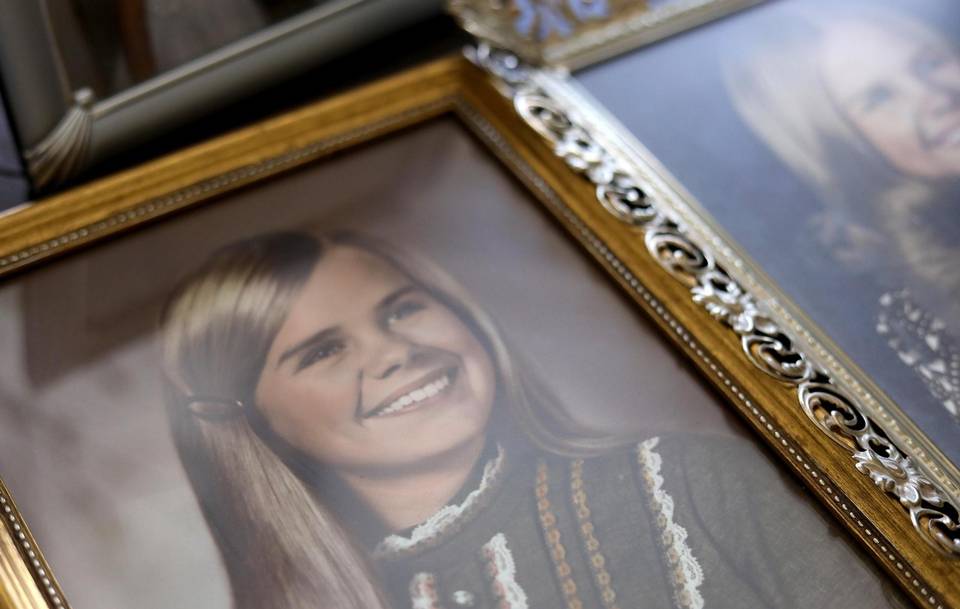
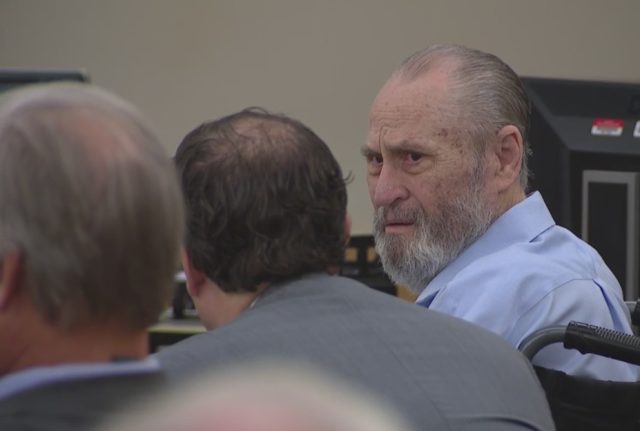
Fort Worth cold case detectives recently solved the murder of 17-year-old Carla Walker after it gone cold for nearly five decades. They analyzed old evidence using forensic genealogy and new DNA extraction technology, they identified and convicted 78-year-old Glenn McCurley, who was among the original suspects. McCurley pleaded guilty after two days of testimony in his capital murder trial case in August of 2021. Nearly 1,000 cases remain unsolved in Fort Worth alone, and there are many more across the United States. And they are expensive to work. In the wake of the case, Detective Jeff Bennett received permission to set up a foundation to accept tax-deductible contributions to help solve Fort Worth unsolved murders. Jeff is here with us now. Jeff, take us back and just give us a snapshot of the original murder and what happened.
Det. Jeff Bennett
So, in 1974, Carla Walker and her boyfriend Rodney McCoy were at a high school Valentine's dance, February 16, 1974, and after the dance, they decided to go for a drive with some friends, and they drove around for a little while. And their friends needed to be back for curfew at midnight. So once they dropped them off, Carla and Rodney went driving around again, they stopped at a Taco Bell, and after the Taco Bell, they went to the Ridgely Bowling Alley so Carly could use the restroom. And when they came out of the bowling alley and got into the front seat of the car, they were sitting in the front seat doing what teenagers typically do, and within just a few seconds, the passenger door flung open, and somebody started pulling Carla out of the car. And Rodney was grabbing onto her. He was kind of falling out of the car as well. And he looked up, and this person had a pistol pointed in his face and pulled the trigger, and nothing happened. Fortunately, he did not have a bullet chambered up, so he starts pistol whipping Rodney and knocks him out. And in the process of doing that, a magazine fell out of the gun and onto the ground. This gun is kind of unique in that the magazine release is on the bottom of the grip. So as he was striking Rodney, it released the magazine and it fell on the ground. And so he proceeds to take Carla and abducts her, takes her to his car. Rodney's knocked out in the front seat, and when Rodney wakes up, Carla's gone, and so he drives immediately to the Walker's house, which is less than two miles away. Carla's missing for three days. They find her three days later in a culvert, officers were obviously had been looking for days for Carla, and they find her in this culvert at Benbrook Lake, and she had been sexually assaulted and strangled to death, and because of the cold temperatures, she was still in in good condition, and that's pretty much the story.
Robert Riggs
So almost a half century passes, and you, as a cold case detective, decide to reopen the case. What was there about this case that you wanted to take a look at?
Det. Jeff Bennett
Well, this case had become a very important case in Fort Worth. The media had, because it was a Valentine's murder, pretty much every Valentine's, the media would highlight this case on newscasts, so they kept it alive. The family had kept it alive, so it was a very high-profile case in Fort Worth, and so it was one that we, as a department, really wanted to focus on and see if we could make some progress on it.
Robert Riggs
What kind of evidence did you have that had forensic material DNA on it, and what happened to it? Because something was submitted to a database at one time, but there were no hits.
Det. Jeff Bennett
Well, actually, nothing had been submitted to a database because we did not have a full DNA profile. We had in the mid 2000s had the dress tested. We had a partial DNA profile, and there's really nothing you can do with a partial DNA profile.
Robert Riggs
Explain for audience what that is in DNA and what you're looking at.
Det. Jeff Bennett
So on the DNA, we had YSTR, which is the male portion of the DNA. And so you're able to utilize that to exclude people, but you're not able to use that to actually define a particular individual. So there were suspects that they were able to eliminate because of the partial DNA, but that was as far as they could go with it, and that was found on Carla's dress, we did have a number of items. Still, we had her pantyhose, we had her bra, we had her dress, and so we decided to have all of this retested. Technology really changed in 2015 and has continued to develop since 2015. Both the extraction and collection methods of the DNA has improved. So we sent these items off, and we were very fortunate in that we got a full DNA profile off of Carla's bra. We uploaded that into CODIS, and we did not get any hits. And
Robert Riggs
CODIS is what?
Det. Jeff Bennett
That's the combined offenders database where DNA is uploaded and try and match that with people that have offended in the past.
Robert Riggs
And what is it about the new technology? What was that able to give you that the old did not?
Det. Jeff Bennett
Oh, they were able to get us a full DNA profile, and you know you hope when you get a full DNA profile and you upload it into CODIS, you're hoping that somebody has offended in the past, their DNA has been collected, they're in this database, and you're going to get the name of the person who's committed this crime. And once we did that, we didn't get a hit, so we were very disappointed at that point.
Robert Riggs
But then you use something called forensic genealogy. Is that where the big break in the case comes in? And explain. Well,
Det. Jeff Bennett
we actually had another strike, so we took the DNA that we had remaining and we sent that to a lab that does perform genetic genealogy, we had little over 20 nanograms, which is the minimum of what you need to get a DNA STR profile. They struck out. They were not able to develop a profile sufficient to enter into the genetic genealogy database, and they called us and they said sorry, we didn't have any luck with this. So again, we hit another roadblock. And after a couple of months, I called Siri, the lab in California that had developed the profile, and I asked the lab tech that had worked on our case. I said, "How much DNA do we have remaining, if any at all? And she said, well, we've got four nanograms, and with the current technology that we have, four nanograms is not enough to really do anything with. So I called Paul Holes. He was the detective that actually solved the Golden State Killer case. We had worked with him on a television show the year before. That was a cliffhanger. They wanted to do a show. We hadn't solved the case yet, and they actually helped us as far as some funding for the case and got us in contact with Siri, the lab that got us the DNA profile, and I called Paul and I said, "Hey, I said we've got four nanograms left. Do you know anybody that can work with that small amount of DNA? And he said, "Jeff, he said there's this lab in Houston, Othram, and the CEO David Middleman's been calling him the last few weeks, letting him know that they're using a new technology from the medical industry called whole genome sequencing, and that they really don't need a large amount of DNA, and that they can develop full profiles with much smaller quantities. And he said, "I've never used them. I really can't vouch for them, but I can get you in contact. So he got me his contact information. I reached out to David Middleman and told him what we had, and he said, "If it's not degraded and it's good quality DNA, I can work with four nanograms.
Robert Riggs
Well, this is a big advancement in technology. Was it developed for criminal purposes or more for the medical field?
Det. Jeff Bennett
It was developed for the medical field. It had not been used in forensics. Othram was the first lab to bring whole gene whole genome sequencing into the forensic field, and a huge breakthrough for law enforcement to have this technology available. And they started their company in 2018, so that's how new it is. And what is it giving you that the other methods did not give you? Well, it's given you a DNA profile, but the way that they go about it is completely different technology. So, for us, we can only use it as an investigative tool. You can't use it for CODIS. You can't use it for anything really law enforcement relate. You can't prosecute based on this DNA, but what they're able to do is they're able to develop a full DNA profile that they're then able to upload into let's say Gedmatch, and so they take this raw data, this DNA profile, they upload it into JedMatch, and then this is a science in and of itself. They're able to work the genetic genealogy from there. They find what people are in that database that have uploaded their DNA. Find the centimorgans and how closely related they are, and then they work backwards.
Robert Riggs
And why have people up? What is that database, and why have people uploaded their DNA to it?
Det. Jeff Bennett
So people upload their DNA into GedMatch usually for working their family genealogy hobbyists use it basically to trace their family trees,
Robert Riggs
and so these companies like this are able to access it.
Det. Jeff Bennett
So, 23andme, ancestry.com. These consumer companies, law enforcement's not able to access those databases. Jedmatch is a very large database where people are able to take their raw data that they receive from 23andme or Ancestry.com, they can take their raw data and they can upload it into JedMatch, and when they do that, they're able to opt in or opt out for law enforcement purposes. And I don't know how long ago that was, but a few years ago that change was implemented, where people had so basically they had to remove everybody out of the database for law enforcement purposes, and then as people started uploading their information, they could opt in or opt out.
Robert Riggs
And so, who do you get a hit on out of this database?
Det. Jeff Bennett
So, I get a call from David Middleman with Othram on July 4 of 2020, and he tells me that he got a last name that they had stayed up all night the night before, and that the last name was McCurley. And I knew if David Middleman was calling me on July 4th, that he had some information for me, and yeah, McCurley was the last name, and I knew at that point, I knew he was around number 22 on my suspect list, had 83 people on the suspect list, and when he said McCurley, I knew exactly who he was talking about.
Robert Riggs
Why had How or how had McCurley ended up as a suspect, and how so many people?
Det. Jeff Bennett
So, over the years, and as you can imagine, over 46 years, there hundreds of people had been looked at on this case, and I broke these two large file boxes down and started at the very beginning and looking at everybody that they had looked at from day one and McCurley had been looked at in April of 1974 because they went back and requested from ATF all the records of everybody that had bought a Ruger Mark 122 pistol. Okay, all right. And so they went through and talked to every one of these people that had bought that make and model of gun. And Glenn McCurley was one of those individuals, and he was not able to produce his gun. Okay, he claimed that his weapon had been stolen several days prior to Carla's abduction, and they brought him in. They questioned him. They polygraphed him, and he passed the polygraph. And when I was going through the old detective notes, the polygraph was not enough for me to exclude McCurley in the fact that he was not able to produce his weapon, and he said they asked him if he had reported it stolen. He said he hadn't because he was a convicted felon from 1961, and he just didn't want to report the gun stolen.
Robert Riggs
What were his previous offenses?
Det. Jeff Bennett
It was a stolen vehicle and evading police.
Robert Riggs
Did he have a record of violent crime or rape?
Det. Jeff Bennett
No, he did not.
Robert Riggs
But I guess just based on your experience, you would presume that is in the background. They've just gotten away with it.
Det. Jeff Bennett
Yes, absolutely. This is not a crime that somebody starts out. Especially approaching a vehicle with two individuals and it abducting a female and pistol whipping her boyfriend. This is not their first time.
Robert Riggs
Are we going to take a break and we come back? I want to talk to you about more of the DNA technology and what you're doing. We're talking with cold case detective Jeff Bennett from the Fort Worth Police Department, and about how they used new DNA technology and forensic genealogy to solve a 47-year-old murder case. I do want to remind our listeners that if you want to get updates and extra information, join our true crime community at truecrimereporter.com. It's easy to sign up on there, and please leave us a review wherever you listen and tell your friends about the podcast. Jeff, in the wake of this, you have formed a nonprofit, a foundation through the police department to solicit donations and collect money to fund these kind of investigations. How expensive was this investigation? What are you up against, just in terms of cost, when you take on a cold case?
Det. Jeff Bennett
So, Carla Walker's case in particular, we spent approximately $35,000 in the testing that we did here within the last couple of years. That doesn't include the amount of money that had been spent years prior on this case. So this DNA testing is very expensive, and the budgets for the police department. There's not a lot of money to go around, especially for the cold case unit. And I decided at that point that I wanted to make an attempt to get authorization to create this nonprofit organization to support our cold case unit.
Robert Riggs
When you showed up at McCurley's residence, you took a swab for DNA testing.
Det. Jeff Bennett
Yes.
Robert Riggs
What did he say?
Det. Jeff Bennett
He said that they had done that back in 1974 when they had originally talked with him.
Robert Riggs
And was he lying?
Det. Jeff Bennett
He was, in fact. His wife, who was in the room at the time, made the statement that, "Honey, they didn't have DNA back then.
Robert Riggs
And were they married back then when they committed the crime?
Det. Jeff Bennett
They were married. In fact, he abducted Carla and killed her on the night of his 11th wedding anniversary.
Robert Riggs
Oh, good grief! Could you sense anything about her reaction?
Det. Jeff Bennett
Really, what we were able to sense is that she didn't have any idea that this had occurred, and that this was very surprising to her that we were there talking with him.
Robert Riggs
Based on your experience with felons, did you get any body language, other signs from him, like he's nervous?
Det. Jeff Bennett
He was uncomfortable that we were there,
Robert Riggs
but he had no choice but to take the swab, or you could go get a warrant.
Det. Jeff Bennett
That's correct, and we would have gotten a DNA warrant if he was not willing and didn't give us a consensual buccal swab.
Robert Riggs
After taking the swab, how long until you arrested him? One
Det. Jeff Bennett
week.
Robert Riggs
All right. Was there any concern that he might flee?
Det. Jeff Bennett
You know, with his age, he's elderly. He was 77 years old at the time, and he was not in good health, so we didn't really have any concern that he was going to flee.
Robert Riggs
Did you ever have an opportunity during all this to discuss what happened that night with him and how he operated? The
Det. Jeff Bennett
day that he was arrested, September 21 of 2020, our fugitive unit went out and picked him up, brought him to our office, and my partner Leah, Detective Leah Wagner, myself interrogated him for approximately four hours,
Robert Riggs
and he agreed to talk.
Det. Jeff Bennett
He did agree to talk. We Mirandaized him, and he wanted to continue with the conversation.
Robert Riggs
Did he admit anything?
Det. Jeff Bennett
He did. He confessed to abducting Carla out of the car, and confessed to strangling her and sexually assaulting Carla.
Robert Riggs
So, what do you think it is after all of these years he would give it up?
Det. Jeff Bennett
Well, I think because we had the evidence, yes, the DNA evidence against him. He left a living witness in with the boyfriend Rodney McCoy.
Robert Riggs
Yes,
Det. Jeff Bennett
and explaining to him that we had a living witness, that we knew that he had done this. I just, I think he knew the gig was up.
Robert Riggs
Could you have used the DNA in his prosecution.
Det. Jeff Bennett
Yes, because we went when we collected the consensual. Well, prior to that, we actually had our property crimes unit go by and do a trash run. We picked up the abandoned property on his curb, went through the. Trash selected some items to have it tested. This was prior to the out of custody interview we did at his house, where we collected his DNA. Yes, and we got a hit from a McDonald's straw, which then prompted us to go to his house, do the out of custody interview with him, and get a buckle swab.
Robert Riggs
Where on the family tree was the person's DNA that helped you identify him?
Det. Jeff Bennett
That is really an Othram question, and that's not something that they really disclose. Okay,
Robert Riggs
all right. How important of a tool is this for future investigations? Now, does this give you hope that there could be more cold cases solved?
Det. Jeff Bennett
This is a game changer. The whole genome sequencing and the technology that Authram offers is absolutely a game changer. So the first thing you have to do is you have to be able to develop a full DNA profile, and you have to be able to upload that into CODIS. And if you don't get a hit, then your next move is to go with the whole genome sequencing and the genetic genealogy,
Robert Riggs
and I take it that the money you're raising-I know it'll pay for travel. These that's always expensive on cold cases, but will it primarily give you the ability to use this new form of testing, which is expensive?
Det. Jeff Bennett
Yes, absolutely, and it's going to help us with all sorts of forensic testing, the DNA testing, the STR testing that we have to do, the buccal swabs that are taken, along with the DNA testing that Othram would perform.
Robert Riggs
When McCurley confessed, what was his demeanor? Was there ever any show of remorse, or was he a typical psychopath?
Det. Jeff Bennett
Pretty typical. Yeah, the remorse, from what we could tell, was that he was sorry that he got caught, but we never saw any real, true, genuine remorse from him.
Robert Riggs
Did he hint at other victims?
Det. Jeff Bennett
Not intentionally, he didn't hint, but he did. I had asked him specifically why he selected the spot he did to place Carla's body, and he started describing a location, driving down a particular road and turning right and going up to this building, and there was these bushes next to this building, and he placed her body there. And I said, "No, mr. McCurley, that's not where Carla was found. Why did you select the spot you did to place Carla's body? And he again repeats the story about going down this road, going up to this building, and placing her body in these bushes next to the building. And I asked him at that point, I said, "mr. McCurley, are you sure you're not getting this confused with somebody else you've done this to? And he pauses and he says, "I'm pretty sure. I
Robert Riggs
know from a prior association with some of the original FBI profilers, and and then certainly like the McDuff case we investigated, McDuff was always kind of telling people, "Hey, that'd be a good place to bury a body. It's a place usually they've been to. They know, you know, they've thought about. Did you find that with him? That what might have had taken him to that area.
Det. Jeff Bennett
We absolutely believe that he had the spot already pre-selected. It was out by the lake. It was in a very rural area. Would have been no street lights. And when he placed her body in there, it would have been after midnight, so it would have been pitch black. You had to climb over some barbed wire to get to the spot, and then to drag her down into this culvert. So we absolutely believe he was out hunting that evening and had this spot identified.
Robert Riggs
You said hunting. Interesting. That's the way McDuff described his outings. He was on the hunt. The records indicated every night he would travel hundreds of miles. The late Roy Hazelwood, who was the expert on sexual predators for the FBI profilers, told me that they were always on the hunt. They might even be going for a pack of cigarettes or beer, but if they saw a victim, they would would strike. Do you know what would have taken him to that area? Would he been out there specifically looking for a place, or would it be somewhere he's also working and he's finding the place? You know, he claims to have been a
Det. Jeff Bennett
fisherman, spent time fishing. This was out at Benbrook Lake. We feel that he spent a lot of time driving rural roads, and so we just feel that in his driving around, he was looking for areas that would be a perfect spot for him to dump a body.
Robert Riggs
Do you think he fits the profile of a serial killer?
Det. Jeff Bennett
We do.
Robert Riggs
Yeah,
Det. Jeff Bennett
we do not feel like this was his first case or his. Last offense
Robert Riggs
in the McDuff case, he was what the FBI classified as a sadistic sexual serial killer, and he was as much about the torture and seeing his victim suffer. Was there any aspect in this case you think
Det. Jeff Bennett
we don't believe there was any torture? We just believe that it was an abduction and a sexual assault and clear strangulation and homicide. We do have other cases with very similar MO and bodies that have been placed in rural areas.
Robert Riggs
So I'm curious, since he talked about going to a building or referenced the building on a, did you start trying to look at back cold cases where bodies been found in those type of locations?
Det. Jeff Bennett
We have looked for other cases that would fit that description, and we've not come across one. But this could obviously be another county, another jurisdiction, but we've not been able to locate one of our cases.
Robert Riggs
When you think about all the detectives who worked on this case in the hours spent in earlier DNA testing, what is it that made this case so difficult to solve?
Det. Jeff Bennett
Well, I really do believe that with so many detectives that worked on this case, I was just amazed at how many detectives put their hands on this case, and how much work and how many hours went into trying to solve this case. And I think we really just did not have the technology to move this case forward.
Robert Riggs
Did you hear from any of them? I mean, I'm sure some were retired now. All these years later, and
Det. Jeff Bennett
so I got a call from one of our crime scene officers, Jack Bolton, who had identified the fact that we had had crimes for several Februarys and years prior to this case. So he personally went out and bought an eight millimeter camera, expecting there to be a crime of this nature in February, and when he got the call about Carla and her body being found, he took his camera down into the culvert and actually took eight millimeter video of the crime scene, which was still in our case file.
Robert Riggs
So, based on the past pattern, there was a detective that was expecting something like like this. Thought something like this might happen.
Det. Jeff Bennett
That's correct.
Robert Riggs
What value did the film play for your investigation?
Det. Jeff Bennett
The film probably, as much as anything, was more interesting and fascinating to have seen live footage from that era-it's very unusual to see video from a crime scene, and I-I saw the eight millimeter film in our case file, and it didn't appear that anybody had looked at this since 1974. So I took it to our digital forensics, had it converted to digital media, and when we viewed it for the first time, it also had a portion of the autopsy on the film, and it was very surreal to be watching that.
Robert Riggs
How many detectives are there in your cold case unit?
Det. Jeff Bennett
At the time that we were investigating Carla's case, there were two of us, and we've since had a third added to our unit.
Robert Riggs
And how many cold cases do you think there are out there for Fort Worth? I alluded to 1000. We have just
Det. Jeff Bennett
we have just shy of 1000 cold cases in our cold case file room. We do have approximately 14 active homicide detectives, and a number of those detectives have been with us for many years. And so, if they've got cases that they've not been able to solve, they still have those cases with them, so we we have every bit of 1000 cold cases in the city of Fort Worth,
Robert Riggs
which seems overwhelming, like a mountain to climb.
Det. Jeff Bennett
Yes, it is.
Robert Riggs
Is there any way any of them can be fast tracked with the testing now, or
Det. Jeff Bennett
well, working on cold cases is a time consuming effort. It just is. But definitely, with the additional funding that we're going to be raising through our cold case support group, that's what's going to help us be able to speed solving these cases up.
Robert Riggs
There's a fellow reporter that I worked with, and she was an acquaintance of Carla's in high school went to the same high school. They weren't close friends, but acquainted, and this has haunted her all these years. And you just wonder how many other people that were touched and haunted. What was your feeling finally when you were able to close the case file?
Det. Jeff Bennett
It was an overwhelming feeling, and you. You mentioned your friend who was acquainted with Carla. I have to tell you, the ripple effect of a homicide became very apparent to me on this case alone. We interviewed dozens and dozens of people that were friends of Carla, were in high school at that time, and all of these people have been affected even to this day, and we were really amazed at how close knit all of these people have been after all of these years. But this case has haunted not just the person you mentioned, but the friends and acquaintances of Carla that went to the high school, the people in the community, they talked about how their lives were changed. They couldn't go out as freely as they were able to. The way they raised their children was affected because of Carla's murder, and so the the ripple effect of homicide is is overwhelming.
Robert Riggs
You know, as a as a reporter, certainly on television, you know, we sanitized these cases we covered because there's children in the audience and all. What do you think the? I mean, I I came away feeling the the public really is naive because these predators create they they commit unthinkable acts. What do you think the public needs to know? What could you say to them?
Det. Jeff Bennett
Well, these people are out there; they do exist. I think it's important for people to be aware of their surroundings, and obviously, as a cold case detective, I may be a little more jaded than most because I do see the ugly side of of what occurs, but you know, unfortunately, somebody like Glenn McCurley can live in your community for 46 years and you not know who he
Robert Riggs
is. Ever any hint from the neighbors? Did you talk to the neighbors.
Det. Jeff Bennett
Yeah, nobody had any clue. People that we talked to said they would have never suspected Glenn McCurley of being able to commit a crime of this nature.
Robert Riggs
Well, that is what is interesting about these people around us. They look normal, you know. Kenneth McDuff in his mugshots, the serial killer-he looks monstrous. And but we know what he did. But if you look at pictures of him in his civilian clothes that were taken, you know some people described him to me. They just thought he was a big old goofy guy,
Det. Jeff Bennett
right? And Glenn McCurley kind of had that look when you look at pictures of him with his family. He did look quite normal. You look at him in his mug shots; he looks like a completely different person. I will say, if you look into his eyes, I don't see a lot of difference from the family photos and the mug shots. To me, the eyes are still just as empty.
Robert Riggs
Well, there are always a window on the soul, and many of these other serial killers that I covered, including Mcduff, there was nothing there. There was no emotion. It was it was just a coldness. I used to describe it eyes like a shark.
Det. Jeff Bennett
You're describing Glenn McCurley's eyes when you describe it that way. Just soulless.
Robert Riggs
All right. So the name of the nonprofit is the Fort Worth Cold Case Support Group. In our show notes, I'm going to put in a link where people could go make donations.
Det. Jeff Bennett
Excellent.
Robert Riggs
And do you expect this to become a model for other departments? I was talking to the Mclennan County Sheriff, who was the U.S. Marshal on the McDuff case, and he's got cold case work, and they're stressed for money. So
Det. Jeff Bennett
that's a pretty common theme with law enforcement agencies around the country, and we are really hoping that this is a model. We've already had inquiries from other agencies on what we're doing with our cold case support group and how we got it started and what that process looked like, so we're hoping that this is going to benefit other law enforcement agencies. I mean, everybody's strapped for money.
Robert Riggs
Do you have other families coming in saying now, "What about my son or daughter? What are you going to do?
Det. Jeff Bennett
We do. We have other families. We have all along. This has obviously prompted other families to reach out to us and ask us what we're going to be able to do with their family members, and we're just working through those as we can and prioritizing the cases based on the evidence that we have.
Robert Riggs
Any final observation on this that you think people need to know?
Det. Jeff Bennett
It's important to me that people know that we have the technology available to us. We definitely need funding, so if people are interested in contributing, we would absolutely love people to contribute to our nonprofit and give us the opportunity to solve more of these cases.
Robert Riggs
Okay. Detective Jeff Bennett, the cold case unit from Fort Worth. Thank you so much for sharing with us. You're welcome. Thank you. We want to be your favorite true crime podcast, so please recommend us to your friends and leave a review wherever you listen. If you want to receive updates and bonus interviews, join our true crime community at truecrimereporter.com. If you have suggestions or know of a case that we should look into, email us at fan at truecrimereporter.com. This podcast is a trademarked and copyrighted news organization based in Dallas, Texas. You can read more about our news team at TrueCrimeReporter.com. Thanks for listening to our journey into darkness.