What You Will Learn
- What investigative journalist Thomas Maier reports about the CIA’s recruitment of Mafia figures Johnny Roselli and Sam Giancana for attempts against Fidel Castro.
- Why Maier says Allen Dulles steered the Warren Commission away from examining the CIA’s Castro plots.
- What remains unresolved about the deaths of Roselli and Giancana and the possible role Maier assigns to Santo Traficante.
By Robert Riggs
A Pact with Mafia Hit Men
When President Trump released the JFK assassination files, they peeled back another layer of a sordid truth. A truth too dark for many to fully grasp. On my True Crime Reporter® podcast, I sat down again with investigative journalist Thomas Maier, whose books Mafia Spies and The Invisible Spy shine a hard light on an unholy alliance—the CIA and organized crime.
We weren’t just talking conspiracy theory. We were talking about documented history. Murders, coverups, and the fingerprints of a once-revered spy chief smeared across the story of a nation’s trauma.
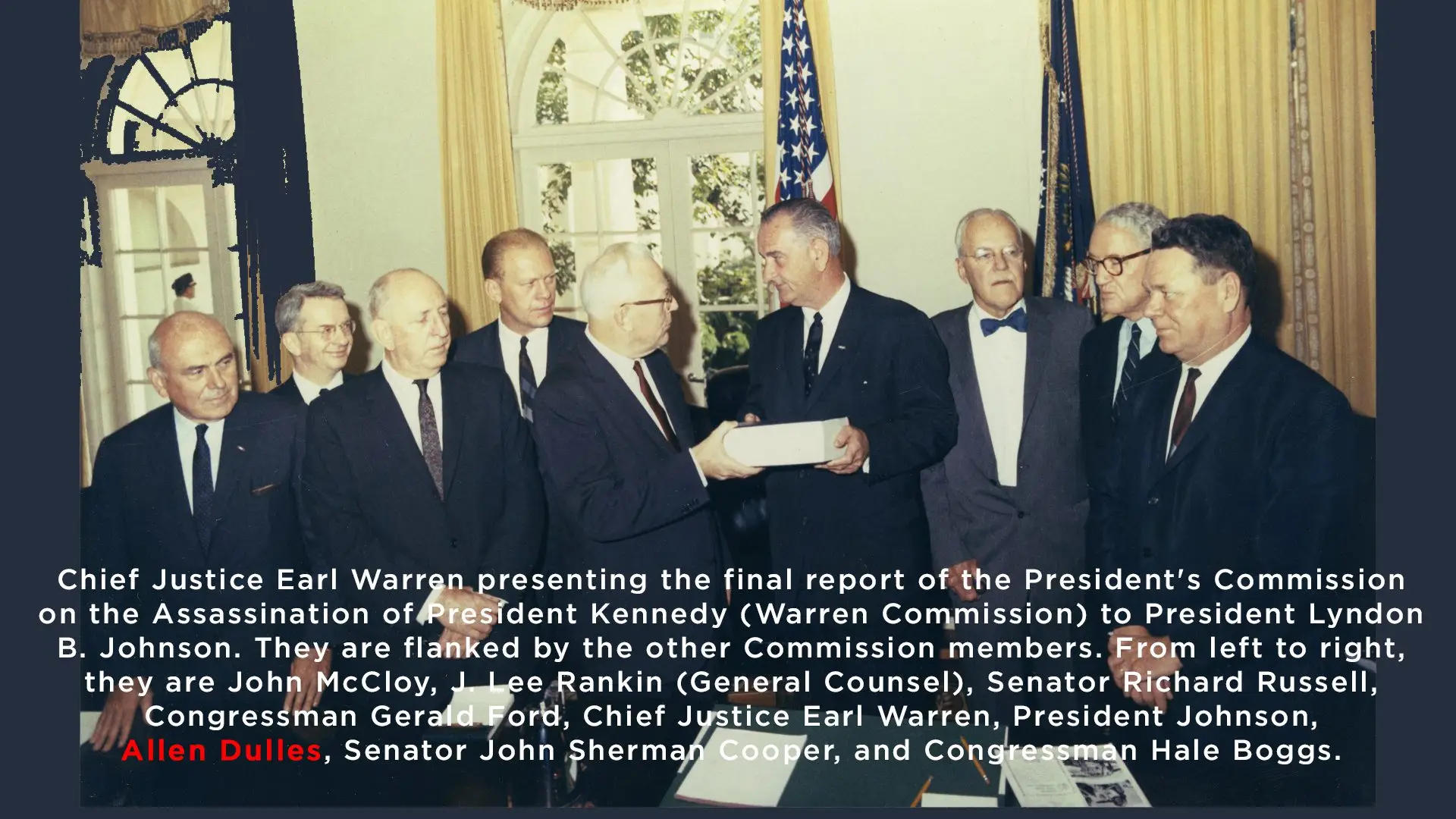
As Maier put it bluntly, “Allen Dulles steered the Warren Commission away from investigating the CIA’s plot to kill Castro.” Dulles, the former CIA director fired by Kennedy after the Bay of Pigs, returned to the fold to shape the very narrative of JFK’s assassination. Not solve it. Shape it.
The Mobster-CIA Connection
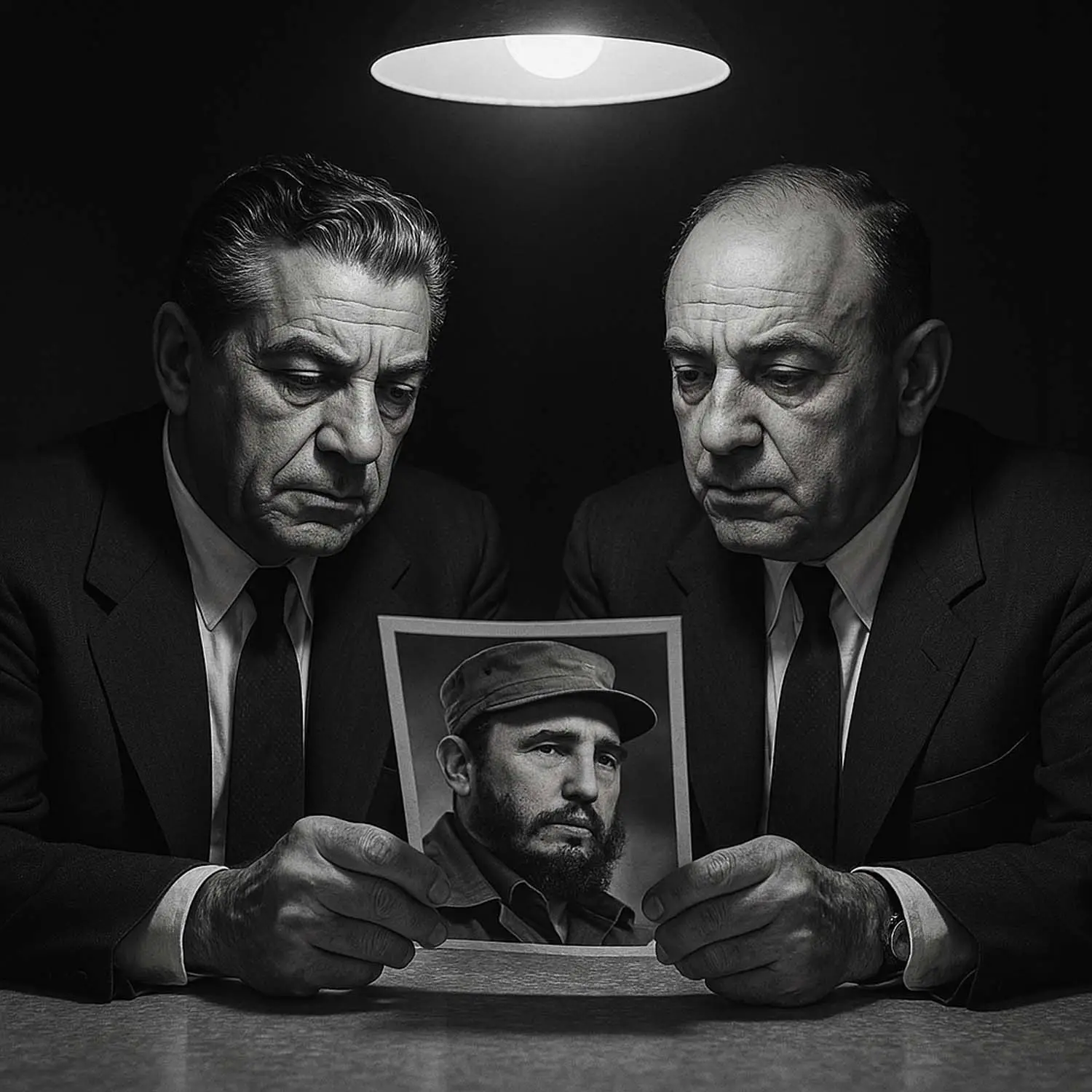
Maier’s reporting in Mafia Spies exposed the CIA’s recruitment of top mobsters Johnny Roselli and Sam Giancana to carry out assassination attempts against Cuban dictator Fidel Castro. According to Maier, “It was essentially an undeclared war run out of Florida. The CIA turned to criminals because they didn’t want their hands dirty.”
But this wasn’t just bad spycraft. It was a ticking time bomb.
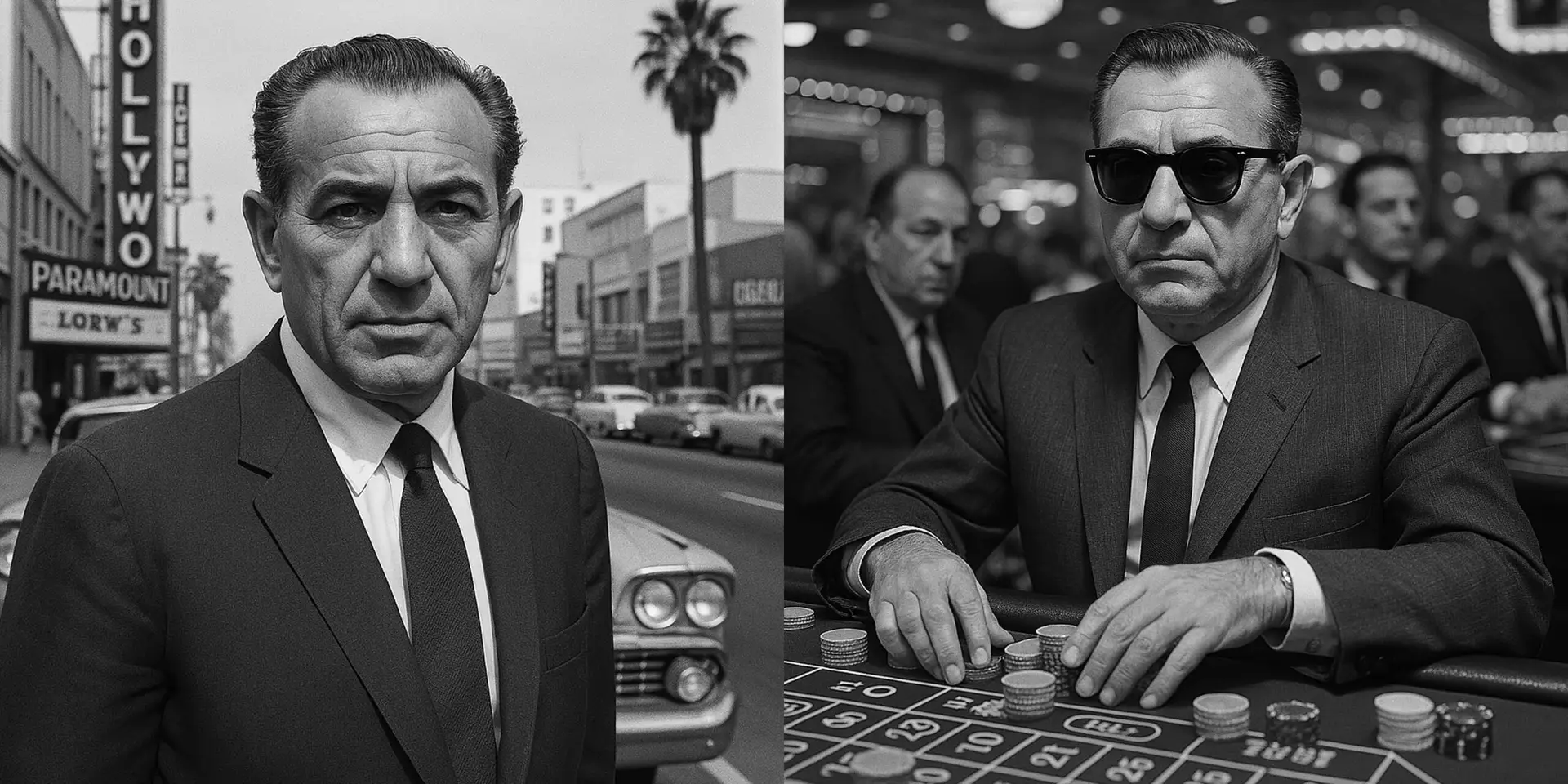
When both Roselli and Giancana were summoned to testify before the Church Committee in the 1970s, they turned up dead—classic mob-style hits. Giancana took six bullets to the face. The message was unmistakable: keep your mouth shut.
And it worked.
“They never got to testify,” Maier told me. “The gun that killed Giancana? It was traced back to Tampa, Florida—Santo Traficante’s turf.”
A Murder Investigation Derailed
As a former congressional investigator myself, what struck me was how the Warren Commission never explored the CIA’s entanglements with the Mafia. The trail was deliberately buried.
“Castro had said publicly, ‘Two can play at that game,’ after the CIA’s attempts on his life,” Maier noted. “That should have been a red flag. But Dulles didn’t want the commission looking in that direction.”
Maier’s book The Invisible Spy reveals that Ernest Cuneo, a WWII-era spy and the book’s central figure, had direct access to Dulles.
During the Commission’s work, Cuneo even considered writing an insider exposé for The Saturday Evening Post, fed by Dulles himself. The FBI and
J. Edgar Hoover caught wind—and scrambled to cover their bases with bureaucratic memos. “Classic CYA,” Maier called it.
It was the first known leak from inside the Warren Commission.
“I Was a Patsy”
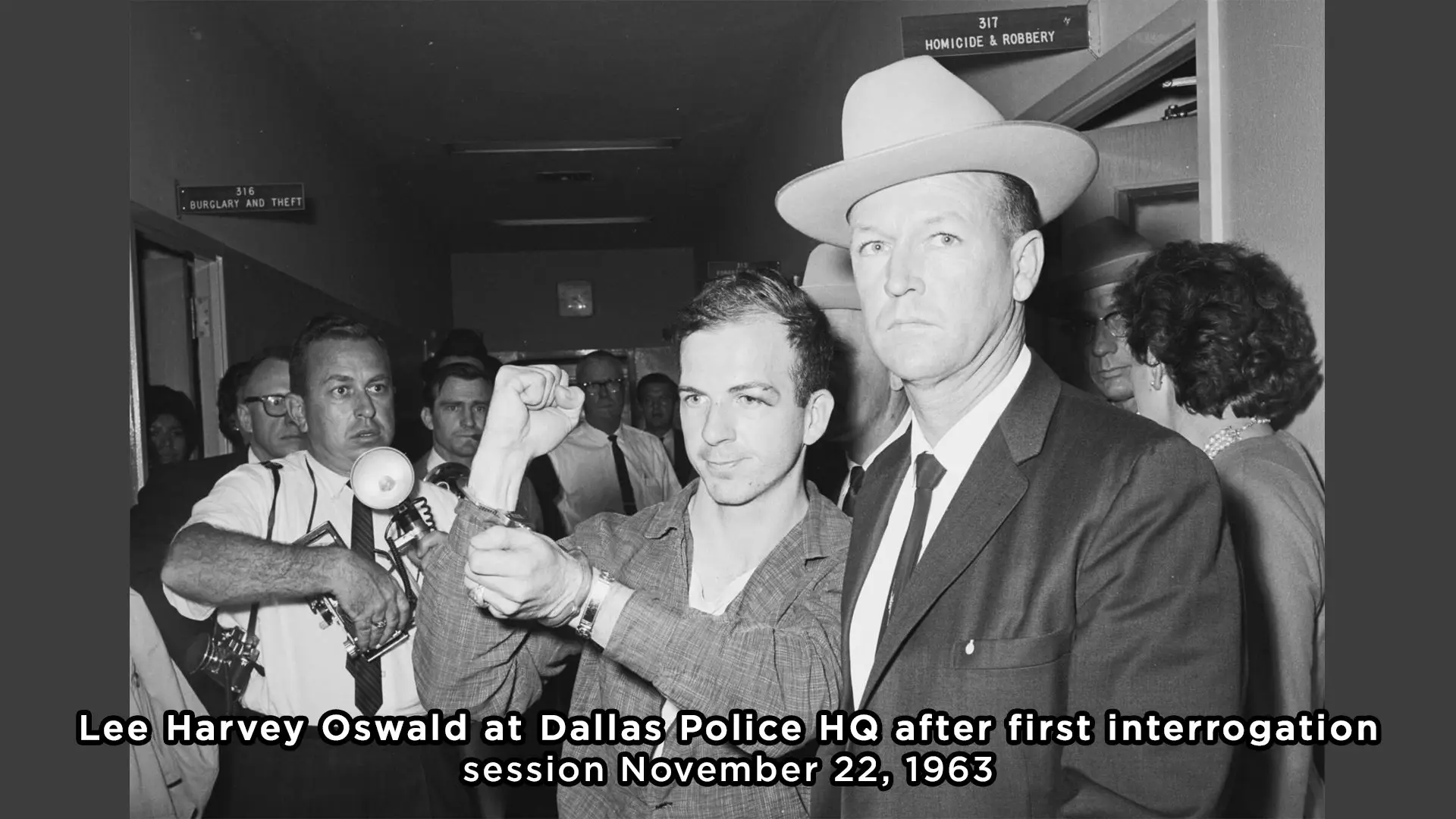
Oswald’s infamous last words before being gunned down by Jack Ruby still echo today: “I’m just a patsy.”
When I asked Maier what that meant to him, his answer was revealing.
“That’s not what suspects say. They say, ‘I didn’t do it,’ or they say nothing. But a patsy? That’s someone being used,” he told me. “Then he’s murdered. The investigation was a fiasco from the start.”
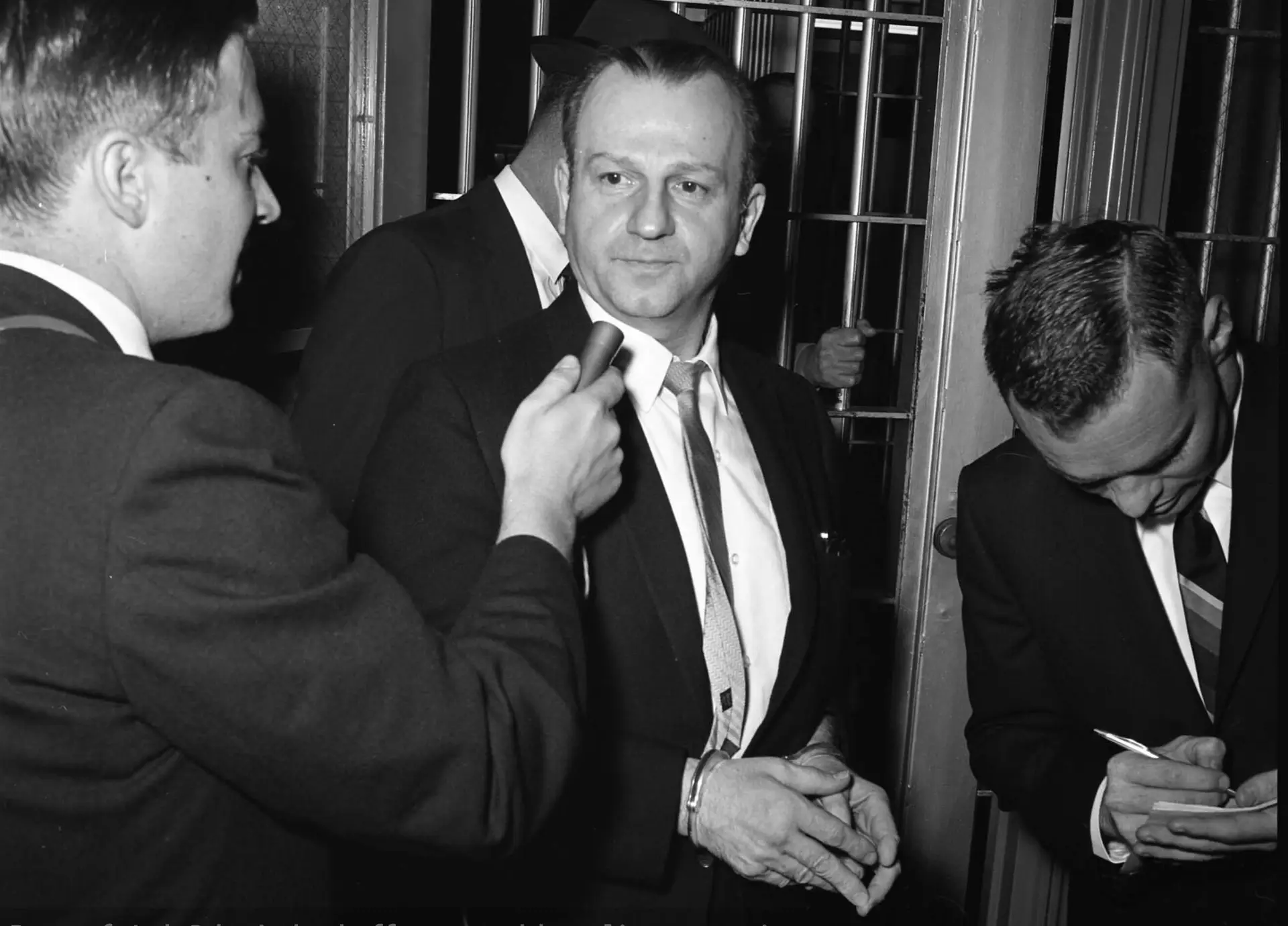
Ruby, who ran a topless club in Dallas and fancied himself a gangster, is another wild card. Was he tied to the Chicago mob? New Orleans? “I don’t know,” Maier admitted. “And I think more people should say that. Don’t speculate. Don’t mislead.”
A Culture of Secrecy
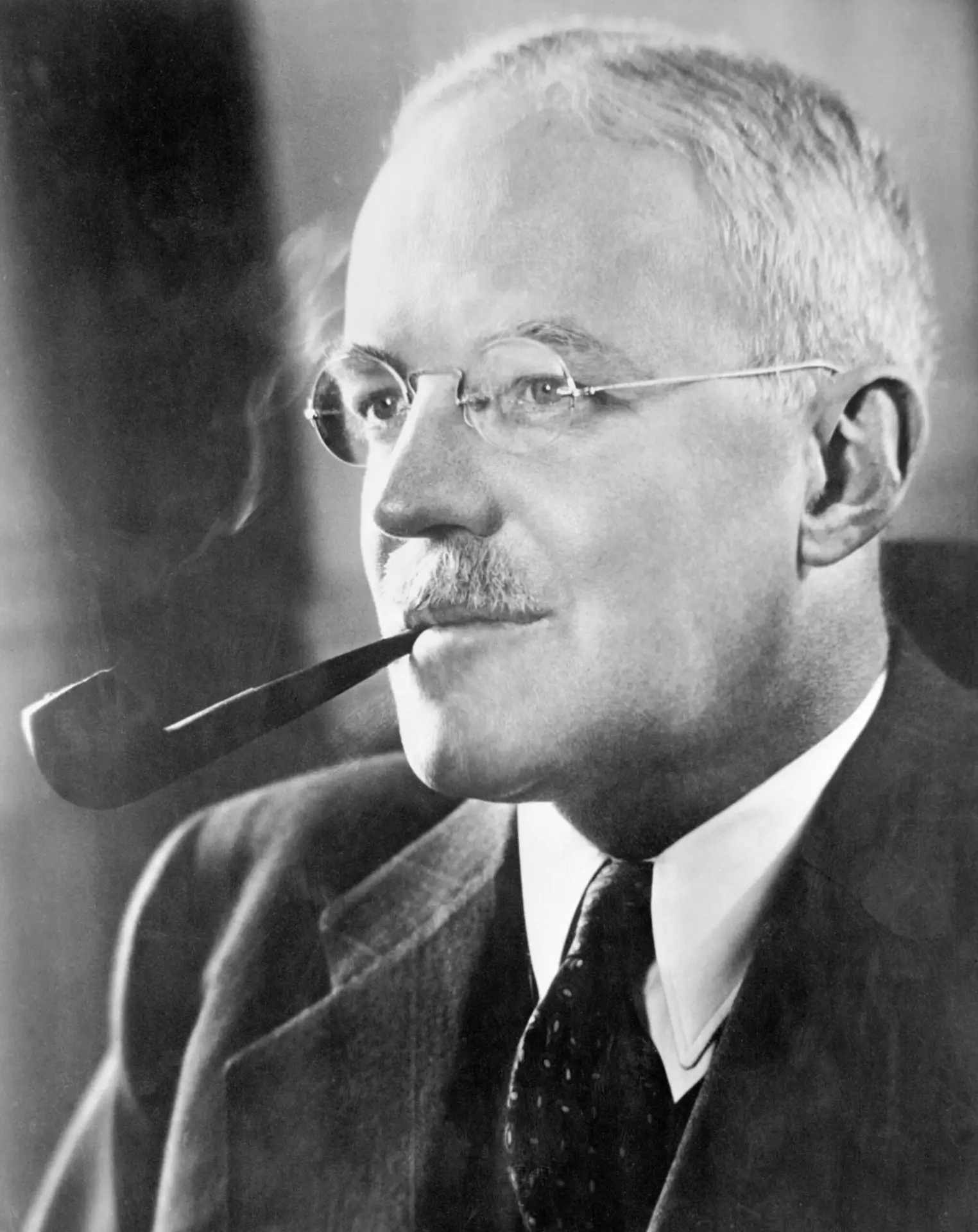
Dulles wasn’t just manipulating a commission—he was manipulating history.
“He lied on national television,” Maier said, referencing a 1966 NBC interview where Dulles denied the CIA ever attempted assassination. “He looked the country in the eye and said, ‘We would never do that.’”
But they did.
The justification? Dulles and others in the CIA had seen what happened when Hitler survived multiple assassination attempts.
If only someone had pulled the trigger early, how many millions of lives could have been saved? That thinking lingered into the Cold War and morphed into justification for Castro’s removal—by any means necessary.
The House Select Committee on Assassinations concluded in 1979 that the CIA was not involved in the assassination of JFK as purported by conspiracy theorists.
The Last Man Standing
Santo Traficante, the Florida-based mob boss, outlived them all.
Documents show CIA handlers were wary of him—some feared he was a double agent. But he played the game well, navigating both the criminal underworld and the murky waters of international espionage.
“Traficante was likely the key suspect in both Roselli and Giancana’s murders,” Maier said. “He had the motive, the means, and most importantly, the fear of what they might reveal.”
One detail stood out to Maier. The gun used in Giancana’s execution was traced to a shop in Tampa, Florida. That breadcrumb, lost in thousands of pages of documents, could be the closest thing we ever get to a smoking gun.
A Legacy of Distrust
Ultimately, Maier and I agreed: the CIA today is not the CIA of the 1960s. Oversight has improved. Safeguards were enacted into law, especially after Watergate.
But the damage was done.
“The public got trained to distrust their government,” I said, reflecting on decades of reporting. “And with good reason.”
Maier nodded. “We need transparency. Otherwise, we get myths and conspiracies that spiral into something even more dangerous.”
Both of us have stared into the abyss of secret files, untold stories, and silenced witnesses. We know better than to expect all the answers. But that doesn’t mean we stop asking.
“History doesn’t just whisper,” I said as we signed off. “It echoes.”