John Moriarty:
And I heard one of the ladies say She fell in love with a convict. And she went to prison. And when he got out she married him. You know I was thinking to myself oh shit.
Robert Riggs:
John Moriarty investigated every ploy that prison inmates use to seduce female guards and lonely hearts outside the wall.
He discovered an FBI agent who fell in love with the death-row inmate she worked on.
I’m investigative reporter Robert Riggs, here with a story our audience has been asking about.
This real-crime story from True Crime Reporter® is stranger than fiction.
Robert Riggs:
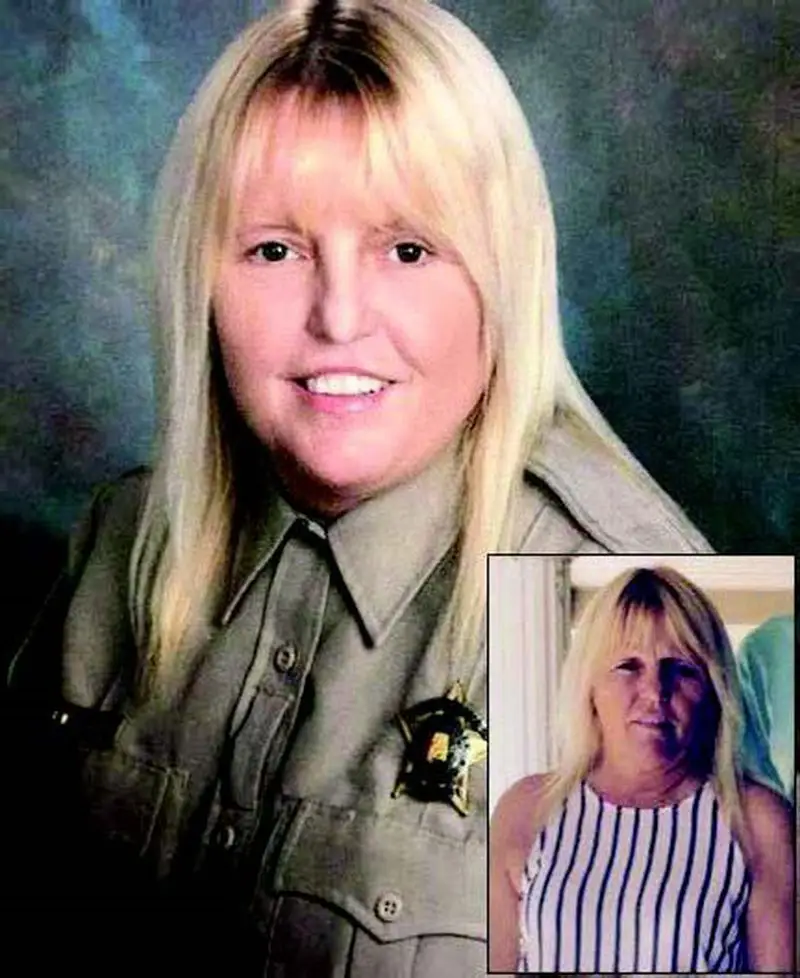
What possessed Vicky White to throw away her 17-year career as an Alabama jail supervisor to stage a getaway with a violent criminal charged with capital murder?
The case, which started in late April of 2022, captured international attention.
U.S. Marshals launched a highly publicized manhunt across the United States.
What was Vicky thinking? Did she think they would live happily ever after?
The 56-year-old White had an unblemished record. She was on her last day of work before retirement. Her colleagues had just voted her Corrections Employee of the Year for a fifth time before she went on the run.
At first, the Lauderdale County Sheriff in Florence, Alabama, thought White had been kidnapped when she disappeared with a 36-year-old capital murder suspect.
But White had been involved in a two-year-long jailhouse romance with a career violent criminal named Casey White, no relation to her.
Robert Riggs:
Casey White, a 300-pound, muscular, burr-headed, 6-foot-9, heavily tattooed inmate, was already serving a 75-year prison sentence for murder and other charges from a terrifying rampage.
He had a large Confederate flag tattooed on his back, with the words Southern Pride connected by a chain to an image of a pit bull.
It signified his membership in a white racist prison gang called the Southern Brotherhood, according to the U.S.Marshals Service.
The tattooed sleeve covering his right arm featured large SS symbols favored by neo- Nazi gangs
Casey White was awaiting trial for stabbing 58-year-old Connie Ridgeway to death in her apartment. It had been a cold case for five years until White suddenly confessed to investigators in a letter.
He later pleaded not guilty by reason of mental disease and was awaiting trial in the Lauderdale County Jail. But his confession may have just been a ploy to get back to the jail to see Vicky White, its supervisor.
Casey White called the jailer his wife, and, according to the convicted felon’s mother, she visited his son and grandson. Even gave them Christmas presents.
Vicky White gave a phony cover story when she took the capital murder suspect out of jail, claiming it was for a mental health examination.
A week earlier she sold her house for 95-thousand dollars, far below market value, sold her car, and applied for retirement. She also bought an AR-15 rifle, a shotgun, men’s clothes, and sex toys.
Vicky White had been making dry runs to escape the jail, with Casey White handcuffed and wearing a jail-issued jumpsuit in the back seat of her patrol car.
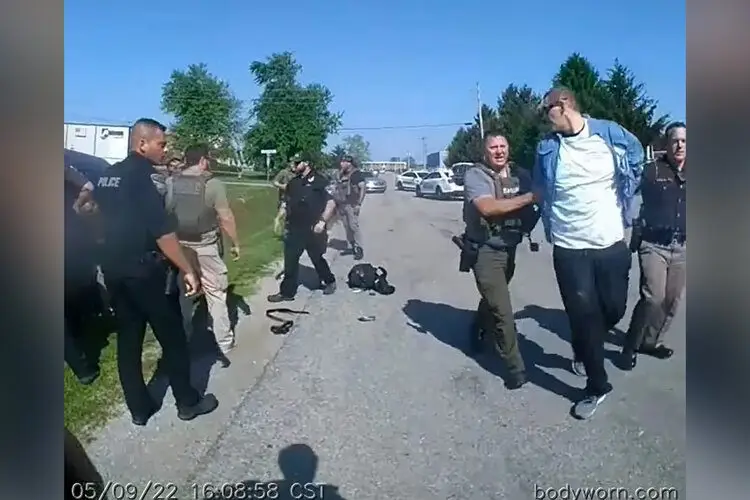
The couple’s getaway came to a deadly end in Indiana when U.S. Marshals rammed their Cadillac during a high-speed chase.
Marshals pulled Vicky White out of the wreckage still gripping the handgun that she used to kill herself.
So what could she have possibly seen in a violent felon to throw her life away?
I reached out to John Moriarty, the former Inspector General of the Texas Department of Criminal Justice.
You may recall from our earlier episodes about serial killer Kenneth McDuff that Moriarty was an undercover prison investigator who played a major role in catching McDuff.
The tough-talking transplanted Irish cop from New York also tricked McDuff into revealing the location of the body of one of his victims before he was executed.
Moriarty also appears in the opening of the promo for our five-part documentary news series about McDuff, titled Freed to Kill.
Now here’s my interview with John Moriarty.
John Moriarty:
And I heard one of the ladies go, and she fell in love with the convict, and she went to prison. And when she got out, she married him. And you know, I'm thinking to myself, "Oh shit!
Robert Riggs:
John Moriarty investigated every ploy that prison inmates use to seduce female guards and lonely hearts outside the prison walls. He discovered an FBI agent who fell in love with the death row inmate whose case she had worked on. I'm investigative reporter Robert Riggs here with a story that the women in our audience have been asking to help them understand. This real crime story from true crime reporter is indeed stranger than fiction. What possessed Vicky White to throw away her 17-year career as an Alabama jail supervisor, to stage a getaway with a violent criminal charged with capital murder, the case, which started in late April of 2022, captured international attention. U.S. marshals launched a highly publicized manhunt across the United States, what was Vicky thinking? Did she think they would live happily ever after? The 56-year-old Wyatt had an unblemished record. She was on her last day of work before retirement. Her colleagues had just voted her corrections employee of the year for a fifth time before she went on the run, at first the Lauderdale County Sheriff in Florence, Alabama, thought White had been kidnapped when she disappeared with a 36-year-old capital murder suspect. But White had been involved in a two-year-long jailhouse romance with a career violent criminal named Casey White, no relation to her. Casey White, a 300 pound, muscular, burheaded, six foot nine, heavily tattooed inmate, was already serving a 75 year prison sentence for murder and other charges from a terrifying rampage. He had a large image of a Confederate flag, tattooed on his back with the words "Southern Pride, connected by a chain to the image of a pit bulldog. It signified his membership in a white racist prison gang called the Southern Brotherhood, according to the U.S. Marshals Service. The tattooed sleeve covering his right arm featured large SS symbols favored by neo-Nazi gangs. Casey White was awaiting trial for stabbing 58-year-old Connie Ridgway to death in her apartment. It had been a cold case for five years until White suddenly confessed in a letter to investigators. He later pleaded not guilty by reason of mental disease and was awaiting trial in the Lauderdale County Jail. But his confession may have just been a ploy to get back to the jail to see Vicky White, its supervisor. Casey White had called the jailer his wife, and she visited his son and grandson, according to the convicted felon's mother, even gave them Christmas presents. Vicky White gave a phony cover story when she took the capital murder suspect out of the jail, claiming it was for a mental health examination. A week earlier, she had sold her house for $95,000, far below market value, sold her car and applied for retirement. She also bought an AR-15 rifle, a shotgun, men's clothes, and sex toys. Vicky White had been making dry runs for the escape out of the jail with Casey White handcuffed and wearing a jail-issue jumpsuit in the back seat of her patrol car. The couple's getaway came to a deadly inn in Indiana when U.S. marshals rammed their Cadillac during a high-speed chase. Marshals pulled Vicky White out of the wreckage, still gripping the handgun that she had used to kill herself. So what could she have possibly seen in a violent felon to throw her life away? I reached out to John Moriarty, the former Inspector General of the Texas Department of Criminal Justice. You may recall from our earlier episodes about serial killer Kenneth McDuff that Moriarty was an undercover prison investigator who played a major role in catching Mcduff, the tough-talking transplanted Irish cop from New York, also tricked McDuff into revealing the location of the body of one of his victims before he was executed. Moriarty is also featured in the opening of the promo about our five. Documentary news series that's about McDuff, titled "Freed to Kill, and it's on Fox Nation streaming. You can find a link to the promo and television show in the show notes for this episode. Now, here's my interview with John Moriarty. John, you and I both have seen cases where both male and female guards or staff get taken in by inmates, and these prison or jailhouse romances start. What's what's driving that? Why does somebody throw away their life like the the lady Vicky did in Alabama? Well,
John Moriarty:
I know in in her situation, her husband had died recently. But a lot of times, what happens is is you know they they're with these convicts eight hours a day, and they're the convict. You know, I mean, he's he knows how to play, you know, play the game, and suck them in, and tell them, you know, they're beautiful. Tell them what they want to hear, and you know, and a lot of them are not getting that at home. You know, it may be that they're, you know, they're they're have marital problems or they're depressed or or but you know there's an old saying too around the penitentiary you know that the first time I heard it was from a convict saying that women love outlaws you know and I don't know if that's true 100% but it's certainly in the cases that I've dealt with, it's a factor.
Robert Riggs:
In in your cases as Inspector General of the Texas prison system and as an undercover investigator, and over the years, was it primarily male inmates taking in female staff, or did you also see it happening to the male guards and staff?
John Moriarty:
Yeah, yeah, it it happened to both, but in in my in my involvement in it, it was primarily females. See, for for a lot of years in the Texas prison system, they didn't allow females onto male units, but then there was a lawsuit over it, and the prison system had to allow females into male units. At one facility, you know, they they had a lot of problems. Well, a lot of I mean, it's a it's a problem in in in most facilities, you know, you've got these guys charming them. Like I said, eight hours a day, and they suck them in, you know, and they start them doing little things, bringing in contraband candy or cigarettes or stuff that's illegal to bring in or or against the policies of the prison at least. And then once they got them on the hook, they just they just keep working them.
Robert Riggs:
Well, in the case out of Alabama, this Casey White, you know, convicted killer, he's in waiting trial for capital murder. He's got a tattooed sleeve that's got Nazi symbols on it, which to me look like Aryan Brotherhood. He's got a large tattoo on his back of the Confederate flag, says Southern pride, and then has a chain coming off of it wrapped around a pit bull. Well, you know, obviously anyone around the prisons, we know that's a bad guy. How do you think she got past that? A
John Moriarty:
lot of it is, you know, that. Well, let me back up. I know he was there when he was originally sentenced on the 75 year sentence that he had, and I talked to another law enforcement officer that talked to them down there on the current murder that he's up on, and you know that's he was down there on a bench warrant for that second trial. And I talked to and somebody that had talked to the investigating authorities down there, and just wondering what evidence besides his confession did they have, and they and they didn't have anything, so it's it's entirely possible. I mean, it's a guess, but probably a good guess that he went down there just to get close to her and and facilitate the escape.
Robert Riggs:
Oh, so that would have just been the cover story. That's
John Moriarty:
right.
Robert Riggs:
Just to get out of get relocated, get out of prison. It's easier to get out of a county jail and an escape.
John Moriarty:
That's correct. Yeah, and the reports
Robert Riggs:
are the jailhouse romance had gone on for about two years, and he called her. He called her his wife, and she was visiting his son and grandson and giving them Christmas presents.
John Moriarty:
You know, I we've we've had cases where we've had deputy sheriffs that work in jails come visit inmates. Now, you know, there's a policy that prevents that. If you're a state employee, whether you're a parole officer or a correctional officer, you can't have that type of relationship with an inmate, and the the ability, you know, for her to go visit the penitentiary. You know, I know in in my day, if we were aware that it was a law enforcement officer visiting an inmate, we'd make sure that the agency that they worked for knew, you know, other than the fact as if if it was a brother or sister or you know some other a close relative, but because nine times out of 10, most agencies have a policy prohibiting that type of relationship.
Robert Riggs:
Sure, walk our listeners through some of your cases in the Texas system,
John Moriarty:
I had a case at one of the one of the maximum security prisons that had a large farm operation, and you know a lot of these a lot of these guys they work their way up as trustees and they become outside trustees, like they work on the farms and they, you know, they work in the offices with with some of the employees. And in in one case, we I had one female who was a clerk working closely with this one inmate, and they again got involved romantically. And not only did she help him escape, she helped a friend of his escape that was also inmate at the same facility. So the two of them got out with her, and we we we ended up catching them within a short period of time. But one of the things I always talk about these folks is they they have a great plan to the fence, but if one thing goes wrong on that escape that they didn't plan on, it it causes mayhem for them. You know, they they they they don't have a plan b9 times out of 10.
Robert Riggs:
Explain for our listeners, certainly in Texas, how inmates play a big part in running prisons in this state.
John Moriarty:
Yeah, yeah, they're and in most states too. They they work. They have jobs. They go to work. There's industries. There's farm operations. You know, there there's they they learn trades and and that type of thing, and they do everything from maintenance inside the facilities to manufacturing products that are made in different. You know, every almost almost every one of the Texas prisons has a some type of industrial operation, some type of work operation,
Robert Riggs:
and it's about cost savings.
John Moriarty:
Yeah, it's cost savings, and it it also teaches them a trade. In the old days about how they make license plates in prison, they definitely make license plates. They they they have a large license plate operation, state of the art license plate operation at the wind farm in in Huntsville.
Robert Riggs:
Yes, you know, and I was in there once, and it struck me that an inmate I met working in there was one of the head honchos of the biggest chop shock ring in Dallas. I mean, that huge car theft deal-a smart, smart guy-and I just thought there was an irony that he was in there making license plates.
John Moriarty:
Yeah, yeah, that is ironic.
Robert Riggs:
And you know, we just did an episode about Martin Guruli, who escaped from death row and sawed his way out with a with a hack blade, the blade of a hacksaw. And back at the time, you know, I got some interviews with guards who talked about if I looked at the prison wreck yard chain link fence, there were patches everywhere, and I know people were wondering, well, wait a minute, how do you get a hacksaw blade in prison? Well, describe that because there's a lot of prison workshops where work is being done, and they're there.
John Moriarty:
Yeah, they, you know, they do a pretty good job at tool control, searching them in and out, but of the work of the work operations, the the craft shops, the you know the places where those tools exist, you know here here comes again the you know the proverbial file in the in the cake. You know what I mean? The employee. We've had cases where employees have smuggled in, you know, files and hacksaw blades, and you know, just like if you remember that case in in New York where you had a female that had fell in love with a. Convicts, one convict anyway, at least, and brought him tools to him, and and you know that's the avenue that a lot of the contraband comes in is through employees.
Robert Riggs:
John, we're going to take a quick break for a message from our sponsor, and when we come back, I want to pick back up with some of your cases. Okay, I'm talking with John Moriarity, the former Inspector General of the Texas prison system about how inmates lure both men and women that are working in the prisons as guards, administrative staff, into helping them escape. Talk some more about your cases that were pretty notorious and how far did they get?
John Moriarty:
You know, one of the cases that ended up in a murder inside a facility was a an inmate that was down for sexual assaults. This was down in Beeville. The inmate, you know, he he was a clerk basically, and worked closely with these employees. This one female employee in particular, and he, you know, he had it in his mind to take her, and you know there was this routine of putting up these, storing these records, paper records in this room. Well, you know, he arranged the day and the time to take her. He he he took her down to well, she took him down to the room with the records, but once they got down there, he lured her in and killed her, raped her and killed her. You know, so sometimes it's it's just she was not obviously a participant in that, but the inmate gets it in his head that you know this is what he's going to do, and and this guy was down for multiple life sentences for aggravated sexual assault. You talk about the the way it goes with you know them conning the employee, and then you go with what they think is going on in their head that they they can get away with, or you know, they they want to end their life because they've got no other way out. You know, they know this is going to be it. They're going to be locked up for the rest of their lives, and this is the only opportunity to be with a woman, basically.
Robert Riggs:
Well, in the cases I've covered, where the male inmate has seduced the female guard or staff member,
John Moriarty:
right, right.
Robert Riggs:
They never go on. They escape, but they never go on to live happily ever after.
John Moriarty:
No, the classic case was a was that Oklahoma case where the assistant warden's wife escaped with the inmate, and of course, it was like 10 or 10 years or more later, we did a little bit of work on the case for them. They, we Oklahoma called us for some running some leads, but and they found them on a running a chicken farm over in East Texas, like 10 years later. And of course, the story was that she was kidnapped. But you know, I I personally found that very hard to believe that she didn't have an opportunity in 10 years to escape. You know, it goes on every day to different levels, not to the escape level. The escape level is, you know, that's that's full on. But there's a lot of inappropriate relationships that are going on inside those prisons,
Robert Riggs:
and but it all as I remember, it always starts that the the inmate gets a guard to do something they should not do, and a and then a little more and a little more, and then they basically have them. They tell them, you know, now the person is afraid of losing their job or they've just been sucked in.
John Moriarty:
Yeah, no, that that's exactly right. I've had school teachers that work in the prisons that are have master's degrees and you know fall in love with an inmate that's serving multiple life sentences, and you know the the husband is also an employee of the system in this case, and denying it the entire time until they were confronted with the evidence. They're with them eight hours a day, you know, and they're telling them what they want to hear.
Robert Riggs:
Well, they-if anyone should know better, it's somebody who works in the prison around them. But how kind of canny and manipulative have you seen these guys are?
John Moriarty:
Oh, extremely, extremely. There was a an experimental program that one of the facilities did, which I thought was brilliant. But they took all of these inmates that had a history of trauma. To groom guards, especially female guards, and put them all on one facility, and just put male inmates down there. And the warden at the facility, I was asking him how the program was going, and he said it was unbelievable, really, that they had he had all of these female correctional officers from these other sections of the prison coming by there to try to talk to these specific inmates. You know, they're just they're so manipulative. You know, and some of them are extremely good-looking guys, and you know that kind of thing.
Robert Riggs:
I recall my first visit to one of the women's prisons here in Texas, and I'd spent a lot of time, as you know, in the in the male prisons. But it was my first visit there, and the and the female warden was with me, going around with me. And finally, I looked at her and I said, "You know, every inmate that talks to me, and by and by the way, I was there doing a story on these lonely heart scams that these women pull, but I said, God, I just feel just like I'm being manipulated everywhere. And I said, I've never felt that in the male prisons. And she said, Sure, they they're from dysfunctional families and homes. That's how they've learned to survive. And I remember a beautiful inmate, redheaded, just you know, gorgeous model looking, and she kept flirting with me and stuff. And then I asked the warden, "What's she down for? Oh my God! It was a series of awful murders. You know, yeah. Look out! It was the the Black Widow. What did you ever see on that side of of the of the females?
John Moriarty:
You know, there's a a lot less females in prison than there are males, but the the ones that are locked up, you know, are down for very very serious offenses. You know, but we had worked with the postal inspectors because this was before they had the phone systems, but on these lonely heart scams, like you're talking about, that you know, sending sending some guy pictures and and you know, saying you know that they were in for some minor theft or drug offense, and you know they'd be getting out soon, and and and it it really was unbelievable how much money they would they would con these guys out of.
Robert Riggs:
Yeah, I found it was usually guys in their late 50s, often widows, and they always had a sob story that they had been wrongly convicted, and they these men would be, you know, I saw cases where they're giving most of their social security check to them, and then they use the money in the commissary in the prison where they can buy extra ice cream and stuff that they don't get served in the prison.
John Moriarty:
That's exactly right. I mean, I've seen it. I've seen it with females on the outside too, with male inmates. That I had one case I remember more than any stands out more than any other was a woman from Fort Worth, very wealthy woman, who drove a Jag and had you know had all all sorts of a beautiful home and. But anyway, finally he put the bite on her and told her, look, you know, I'm gonna, I'm gonna release these pictures. She had sent some pictures of herself in, and she, he basically was extorting her for more money. So she contacted us, and anyway, we went and spoke with her. So when we interviewed her, we said, well, what, you know, what do you what what do you know what he is in prison for, and she said, Oh yeah, he's in prison for smuggling birds from South America, and well that that was not the case. Obviously, he was he was down for aggravated sexual assault. You know, people you know are pretty you know are pretty gullible, and she, you know, she had sent him a lot of money, and but she was shutting off the spigot, and he he he turned on her, you know. So it's it's a very dark world, you know.
Robert Riggs:
Well, I was always struck that women would write me about convicted criminals. I did stories about, and they were now it was a pen pal, and they would go see them on visitation and give them money and stuff. But they became the biggest defenders, and they were angry at me that I really hadn't told the truth and the story. And you know, it's all in the court record. But how the power they had over many many of these. So I'm very smart. It'll certainly educated, and
John Moriarty:
it's
Robert Riggs:
just hard to figure. Hard to figure, and and you would also find I would I don't maybe you can help me understand this. Women that would become the prison pen pals and support the worst of the worst.
John Moriarty:
No, that's absolutely. The people on death row, you know, the the the worst of the worst, or have these pen pal women pen pals that, you know, are defend them to the last day. But I I remember reading a study on it or interviews with them, and you know, it was all that closeness to danger factor that excited them, but the same in the same note, it's also safe because he's behind a piece of glass when they see him. You know what I mean, and and so that danger is not going to hurt them, but it's it's it's you know there's some theory there about them being close to that danger, which I think is probably correct.
Robert Riggs:
Well, you know, I I know of a case. It was the I'm not going to say his name. You know his name. He was the hit man for the Aryan Brotherhood.
John Moriarty:
Yeah,
Robert Riggs:
very intelligent, maybe genius IQ, could be charming, and I was getting letters all the time from women pleading with me to put in a good word for him, try to help him get out. He's reformed. He's a good guy, and I'm like, do you not know he's a psychopath? Can you not see that?
John Moriarty:
Oh, that's exactly right, and I know exactly who you're talking about, and he is out.
Robert Riggs:
Yeah, and I last I heard there was there was a woman that was in love with him and hoping that she could make her life with him when he got out. I haven't checked. I need to check and see if she's still alive
John Moriarty:
or if he is still out. He was out of state. I know, but you know one thing about that the job of being the inspector general for the prison system, and and you have people that you know were involved in cases with you. It's a it's a lifetime involvement. You you know they they they write you. They they try to contact you. They even after you're gone. You know, from the job, it's it's one of the things we talk about all the time. Is that, you know, we do our 20 or 30 years. Well, that person's still there, and and the people that are dealing with them don't know how bad they really are, and sometimes that results in fatal error on their part, whether he escapes or kills or hurts or somebody else.
Robert Riggs:
Any other cases come to mind that were really stand out, where the male inmate lured the female staff member to work, help him, or escape?
John Moriarty:
Yeah, that the one escape is that was the the one that I can tell you this. This is a mind blowing deal. Which we had a case where an FBI agent fell in love with a death row inmate and was bringing him contraband, and we thought we were dealing with an employee at the time. Until we got alerted about a PO box and sending in to this inmate on death row, and so we set up on the P.O. box, and sure enough, it was a female FBI agent that was basically in love with this guy.
Robert Riggs:
And had she worked his case on the outside?
John Moriarty:
No, she worked the civil rights complaints, and so had had access to him on death row, and that's how it. That's how it started. She, of course, was immediately fired by the FBI once we once we made them aware of what we found out. But I mean, it it it can be anyone. Is the moral of that story? It can be anyone. So she was single. She was, you know, had some depression issues, or so. I mean, it it can happen. I mean, it it can happen. It's just these, like you said, they're working them the entire time. They're in contact with them. They're working them to their benefit.
Robert Riggs:
I know you teach this to other officers, particularly on serial killers, but do they? What is this uncanny ability? They seem to have some sort of sense to read things in people that others don't.
John Moriarty:
What I teach young cops is, or young detectives is, when you're talking to these people, what you got to realize is that all they're thinking about is how what's coming out of your mouth, how it's going to benefit them. Period. Period. There's there's nothing else to that, you know. And and it's that simple. It's always some benefit to them. It's never, you know, you know the people we're talking about. They don't have a conscience. They don't care about anything except for themselves, and and and a way to to benefit from from you being being involved with them. Bottom line.
Robert Riggs:
Well, John, we're going to close on that. I appreciate. You giving our audience insights into what makes this happen. I've seen it all my career. I know you have, and I still just shake my head when I see it. Like, wow,
John Moriarty:
it can happen. You know, it can happen to any, you know, anyone that doesn't realize who they're dealing with, or you know, the loneliness that some people experience overrides, you know, the their their clear thinking.
Robert Riggs:
Well, I want to remind our viewers and listeners in closing that John Moriarity is a major figure in our five part news documentary "Freed to Kill" about serial killer Kenneth McDuff, which you can watch on Fox Nation streaming, or if you want to go back to the beginning of this podcast, a couple of years ago, we've got 17 episodes, and John is in there, and you can hear the amazing role he played, and and and just to tease them, John is the only man, and certainly I know in modern history, who when he went to work for the prison system is. I think his first assignment was to go undercover as an inmate.
John Moriarty:
That's correct.
Robert Riggs:
And so, to get that story, you'll have to go back and listen to podcasts. John, thank you very much. This concludes this episode of True Crime Reporter. We want to be your favorite true crime podcast, so please recommend us to your friends and leave a review wherever you listen. If you want to receive updates and bonus interviews, join our true crime community at truecrimereporter.com. If you have suggestions or know of a case that we should look into, email us at [email protected]. This podcast is a trademarked and copyrighted news organization based in Dallas, Texas. You can read more about our news [email protected]. Thanks for listening to our journey into darkness.