When First Responders Need Help This Is Why They Call SWAT

By Robert Riggs

What You Will Learn

In the previous episode, Inside Story Of The Deadliest Attack On Police Officers Since 9/11, the negotiator for the Dallas SWAT team revealed the inside story about the mass killer who ambushed Dallas officers during a Black Lives Matter protest five years ago.

Members of our True Crime Community have asked to learn more about the purpose of SWAT teams.

SWAT stands for Special Weapons and Tactics.Ā  It’s a highly trained elite unit selected from rank-and-file officers who apply.Ā 

In the True Crime Reporterā„¢ podcast episode published on July 18, 2022, about the Uvalde School Shooting, Police Waited To Subdue Killer While Uvalde School Children Lay Dying, you heard how a SWAT team from the U.S. Border Patrol finally stepped in and ended the mass shooting.
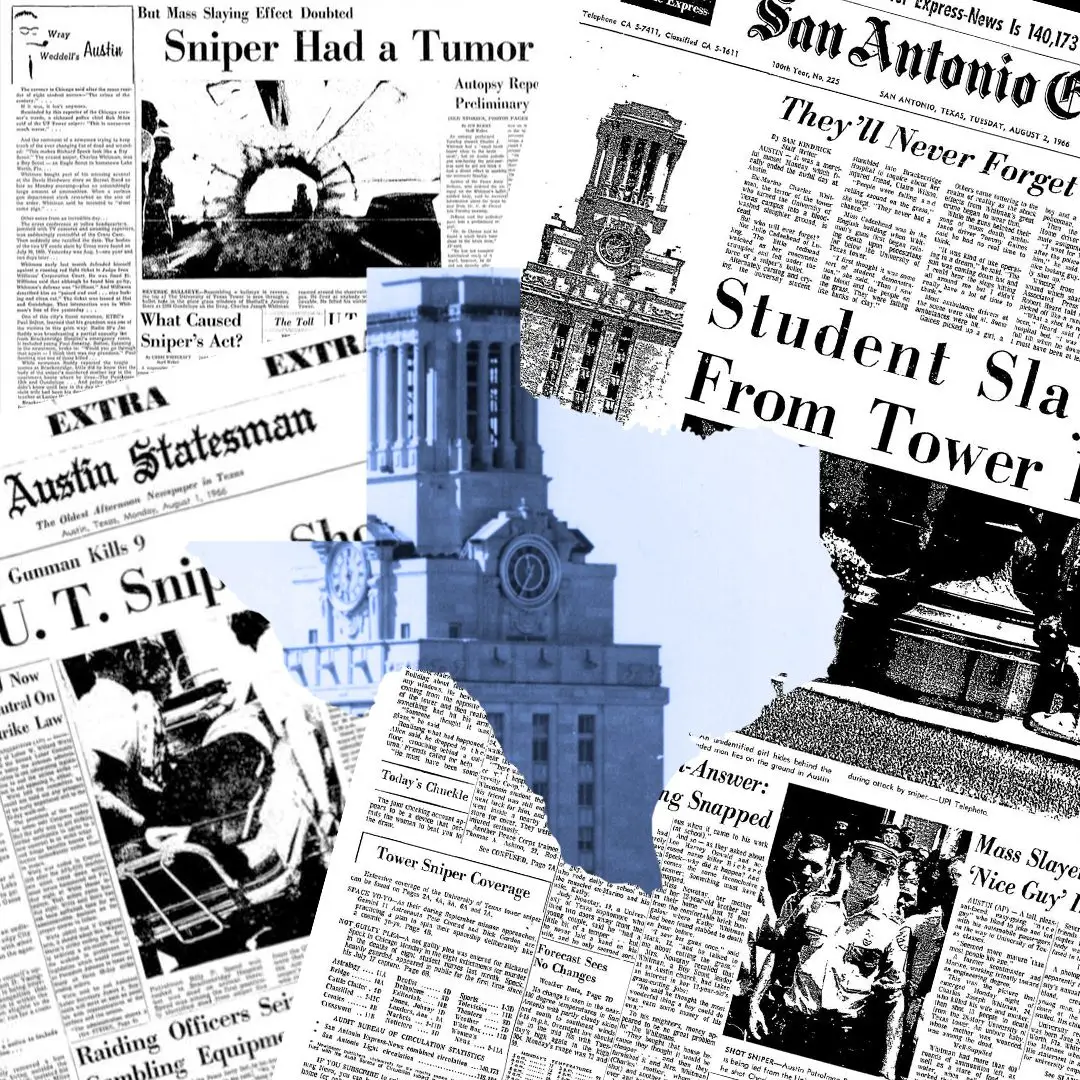
SWAT teams grew out of the mass shooting at the University of Texas Tower in Austin a half-century ago.

In 96 minutes, Charles Whitman, an architectural engineering student, cut down nearly 50 people with 150 rifle shots from the 30th-floor observation deck on August 1, 1966.

From his perch, three hundred feet above the campus, he methodically picked off victims as far as five blocks away. 

Police were outgunned and did not have protective gear to make a quick assault. 

You can learn more about the incident and how it influenced policing in our March 28, 2022, episode titled,Ā  A Sniper In The Tower–Why Did He Do It?

L to R Reporter Robert Riggs and Gary Lavergne Author of Sniper In The Tower

We interviewed Gary Lavergne, the author of A Sniper in the Tower: The Charles Whitman Murders.

Here are links to the shooting’s black and white film footage and a video of Gary Lavergne following the sniper’s trail to the top of the UT Tower.Ā 

If SWAT teams had existed back then, that’s who would have responded.  

Pictured in Center: Lt. Bob Owens Dallas Police Department SWAT

We asked retired Dallas Police Lt. Bob Owens to explain the role of SWAT teams. Owens is a 40-year veteran of the Dallas Police Department.

What You Will Learn

  • How SWAT teams developed after the University of Texas Tower shooting and how their role includes warrants, negotiations, and high-risk response.
  • How Dallas SWAT integrates negotiators, snipers, and entry officers, and why communication matters during a standoff.
  • What retired Lt. Bob Owens says changed in SWAT training and equipment as armed threats evolved.

Stay One Step Ahead of Danger

withStories to Keep You Safe

Recognize the warning signs before you become a victim.

Get Robert Riggs’ newsletter for reporting on violent crime, AI threats, and hidden dangers—plus practical steps to help protect yourself and your family.

Books by Robert Riggs

Texas Crime Stories: Blood & Betrayal, by Robert Riggs

Latest publication

Texas Crime Stories

Blood & Betrayal

Riding Herd on the Lawless Ā· Vol. 1

Go inside the cases Texas will never forget.

A preacher with a deadly secret. A mother whose crime shocked a community. A death-row phone call that exposed a prison scandal. Robert Riggs takes you behind the headlines through firsthand accounts, investigations, and the pursuit of justice.

Buy the Book
Read the Story

Robert Riggs
Hello. This is Robert Riggs, in the previous episode, I interviewed the Negotiator for the Dallas SWAT team, who gave me the inside story about the mass killer who ambushed Dallas officers during a Black Lives Matter protest.
Some of you in our True Crime Community have asked to learn more about the purpose of SWAT teams.
SWAT stands for Special Weapons and Tactics. It’s a highly trained elite unit selected from rank and file officers who apply.
In our episode about the Uvalde School Shooting, you heard how a SWAT team from the Border Patrol finally stepped in and ended the mass shooting.
SWAT teams grew out of the mass shooting at the University of Texas Tower in Austin a half-century ago.
In 96 minutes, Charles Whitman, an architectural engineering student cut down nearly 50 people with 150 rifle shots from the 30th-floor observation deck on August 1, 1966.
From his perch there, three hundred feet above the campus, he methodically picked off victims as far as five blocks away.
Police were outgunned and did not have protective gear to make a quick assault.
You can learn more about the incident and how it influenced policing in our episode with
Gary Lavergne, the author of A Sniper in the Tower: The Charles Whitman Murders
I have placed links in the show notes to black and white film footage from the shooting and a video of Gary Lavergne following the sniper’s trail to the top of the UT Tower.
If SWAT teams had existed back then, that’s who would have responded.
I asked retired Dallas Police Lt. Bob Owens to explain the role of SWAT teams. Owens is a 40-year veteran of the Dallas Police Department.
Here’s our interview.
Bob, you spent most of your career least half of your career in Swat to tell our listeners, what is SWAT? We all know it stands for special weapons and tactics, but what's their primary mission?
And he got killed. And the one of the SWAT officers got wounded. That was that was probably the most significant hostage situation I was involved in the whole time.
Robert Riggs
In a moment we will return we will return to more about that hostage standoff.
If you like our espisodes, please give us a review wherever you listen to podcast.
And join our True Crime community to get crime news and tips at our website: True Crime Reporter (dot) com. Every page features red box where you can join up.
Did you ever go to negotiator school? Because I'm curious. So you'd have for that going
over that period of time. What? Why did he let them go? What did they say to him?
So the equipment's gotten a lot better, a lot better than it was, you know, the tactical industry in the 70s just didn't exist, there wasn't such a thing. And now it's huge. As far as equipment. And primarily that electronics, I think is really is really made it a lot safer for the officers.
Owens says criminals armed with high powered weapons started to outgun who were the first responders.
He established a patrol rifle program. Officers that received additional training were allowed to carry rifles in their vehicles.
Critics have called the use of armored vehicles and shields the militarization of police.
Owens says the first priority of SWAT is to peacefully end a standoff and have to remain safe to do that.
We will be back next week with another edition of True Crime Reporter that takes you inside the yellow crime scene tape.

Frequently Asked Questions

What does SWAT stand for?

Special Weapons and Tactics.

What does the script say SWAT teams primarily do?

Owens says Dallas SWAT most often handled drug and fugitive warrants, along with negotiations and other high-risk situations.

How did Dallas organize its SWAT negotiators?

Owens describes an integrated team where negotiators, snipers, and entry officers serve together and coordinate during operations.

What training lesson does Owens emphasize?

He says realistic scenarios and improved equipment help officers prepare for dangerous situations and make response safer.