
How DNA Forensic Genetic Genealogy Brought A Monster To Justice

By Robert Riggs

50 Sexual Assault Victims Will Never Forget The Stare of Serial Rapist David Hawkins When He Held A Gun To Their Heads

What You Will Learn

This is the third episode in my series about how new DNA technology solves previously unsolvable cold cases.  It’s called FGG — Forensic Genetic Genealogy.

I’m investigative reporter Robert Riggs taking you inside the crime scene case into how the first use of forensic genetic genealogy in Dallas County, Texas, caught a serial rapist responsible for over 50 victims.
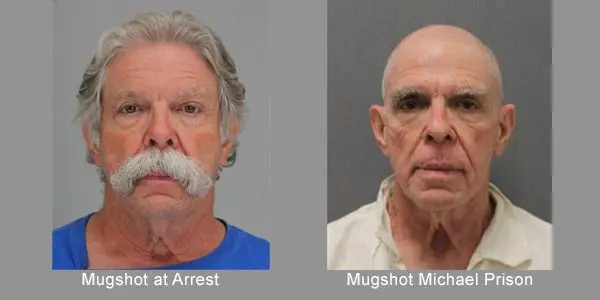
76-year-old David Thomas Hawkins – Serial Rapist – Serving Life Sentence – Michael Maximum Security Prison – Texas

75-year-old David Thomas Hawkins of Fort Worth, Texas, left a trail of victims along his truck route for at least ten years.

The investigation by the office of District Attorney John Creuzot was made possible by a Sexual Assault Kit Initiative federal grant known as SAKI.
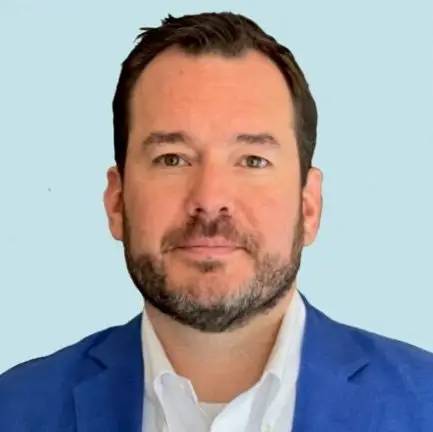
Leighton D’Antoni — Cold Case Prosecutor Dallas County

You will learn more about SAKI in this episode from cold case prosecutor Leighton D’Antoni who is solving cases once thought to be unsolvable.

D’Antoni is on the cutting edge of using sophisticated DNA technology that stems from research on the human genome project to solve murders and sexual assault cases.


You Can Reach D’Antoni at: [email protected]

~ 476 text How DNA Forensic Genetic Genealogy Brought A Monster To Justice ~ 479 text May 9, 2023 - Serial Rapist David Hawkins of Fort Worth Confessed to Upwards of 50 Sexual Assaults across three states. Tech used to catch the Golden State Killer … ~ 483 text entry area (settable) SEO title, Value: How DNA Forensic Genetic Genealogy Brought A Monster To Justice ~ 484 text How DNA Forensic Genetic Genealogy Brought A Monster To Justice ~ 486 text field (settable) Slug ~ 489 text entry area (settable) Meta description, Value: Serial Rapist David Hawkins of Fort Worth Confessed to Upwards of 50 Sexual Assaults across three states. Tech used to catch the Golden State Killer caught him. ~ 490 text Serial Rapist David Hawkins of Fort Worth Confessed to Upwards of 50 Sexual Assaults across three states. Tech used to catch the Golden State Killer caught him. ~ 516 text https://media.blubrry.com/truecrimereporter/ins.blubrry.com/truecrimereporter/066_TCR.mp3 ~ 573 pop up button (disabled) Open save panel + 574 text How DNA Forensic Genetic Genealogy Brought A Monster To Justice ~ 314 tab (selected, settable, boolean) Value: on, Edit Show “How DNA Forensic Genetic Genealogy Brought A Monster To Justice” ‹ True Crime ReporterÂŽ — WordPress The focused UI element is 333 HTML content URL: truecrimereporter.com/wp-admin/post.php?post=2235&action=edit, Edit Show “How DNA Forensic Genetic Genealogy Brought A Monster To Justice” ‹ True Crime ReporterÂŽ — WordPres

What You Will Learn

  • How the David Thomas Hawkins investigation connected DNA from four Dallas rapes with two cold cases in Shreveport.
  • Why the suspect’s DNA did not identify him through CODIS and how forensic genetic genealogy helped investigators identify Hawkins.
  • How the Sexual Assault Kit Initiative grant supported the Dallas County cold-case investigation.

Stay One Step Ahead of Danger

withStories to Keep You Safe

Recognize the warning signs before you become a victim.

Get Robert Riggs’ newsletter for reporting on violent crime, AI threats, and hidden dangers—plus practical steps to help protect yourself and your family.

Books by Robert Riggs

Texas Crime Stories: Blood & Betrayal, by Robert Riggs

Latest publication

Texas Crime Stories

Blood & Betrayal

Riding Herd on the Lawless ¡ Vol. 1

Go inside the cases Texas will never forget.

A preacher with a deadly secret. A mother whose crime shocked a community. A death-row phone call that exposed a prison scandal. Robert Riggs takes you behind the headlines through firsthand accounts, investigations, and the pursuit of justice.

Buy the Book
Read the Story

Robert Riggs
This is the third episode in my series about how new DNA technology solves previously unsolvable cold cases. It’s called FGG. Forensic Genetic Genealogy.

Hello. I’m investigative reporter Robert Riggs, taking you inside the crime scene case into how the first-ever use of forensic genetic genealogy in Dallas County, Texas, caught a serial rapist responsible for upwards of 50 victims.

The investigation by the office of District Attorney John Creuzot was made possible by a federal Sexual Assault Kit Initiative grant, known as SAKI. You will learn more about SAKI in this episode, and you will start to hear it frequently mentioned as cold cases are solved across the United States.

Robert Riggs
A serial rapist terrorized women in Arkansas, Louisiana, and Texas—and mainly in Dallas—for ten years, starting in the late 1970s. He wore a ski mask, broke into apartments while his victims were asleep, held a gun to their heads, tied them up, sexually assaulted them, and then stole jewelry and money.

The predator appeared to stop in the late 1980s. Dallas police started working the cold case again in 2005, when a survivor asked whether the evidence collected from her attack had been submitted for advanced DNA testing.

Investigators uploaded DNA profiles into the FBI’s CODIS database, looking for a match to previously convicted offenders or other cases. The suspect DNA from four Dallas rapes was linked to two rapes in Shreveport, Louisiana, that were cold cases. But the perpetrator’s DNA was not in the database.

The MO resembled that used by the notorious Golden State Killer. That grabbed the attention of Leighton D’Antoni, Dallas County’s cold-case prosecutor.

Working with the FBI, D’Antoni applied the same technology, forensic genetic genealogy (FGG), that a California prosecutor used to help convict a 75-year-old former police officer in the Golden State Killer case.

In the Dallas cases, D’Antoni prosecuted 75-year-old serial rapist David Thomas Hawkins for the aggravated sexual assault of a Dallas woman more than three decades earlier. D’Antoni and the investigators used FGG to identify Hawkins.

Here’s the story of how D’Antoni solved a previously unsolvable cold case.

Leighton D’Antoni — interview clip, begins at 0:18
Supplied opening: “So, prior to moving to Dallas, I went to law school and started my career practicing in California.”

[The source provides the clip’s outcue at 25:37: “…But more times than not, is to stick with them.” The intervening interview text is not transcribed in the supplied source.]

Leighton D’Antoni — interview clip, begins at 0:47
Supplied opening: “Probably about a month after he was arrested, I got a call from his lawyer. And he had, you know, spent some time with him on multiple visits in the Dallas County Jail.”

[The source provides the clip’s outcue at 9:17: “She was in her 60s, I believe, okay.” The intervening interview text is not transcribed in the supplied source.]

Leighton D’Antoni — interview clip, begins at 9:41
The source describes this segment as discussing the judge and a victim impact statement. Its 11:00 outcue includes D’Antoni recounting a debrief in which Hawkins said he was possessed by a demon, followed by D’Antoni’s comment: “But I think some people are just born and wired that way. And he was a sociopath.” The intervening dialogue is not transcribed in the supplied source.

Robert Riggs — interview question, begins at 26:44
Supplied question: “Do you think because we didn’t have the technology and everything? A lot of people have gotten away with murder and rape.”

[The source marks the outcue at 27:37 as ending with Riggs thanking D’Antoni. The intervening answer is not transcribed in the supplied source.]

Frequently Asked Questions

What does FGG stand for?

FGG means forensic genetic genealogy, the DNA technology the script says investigators used to identify David Thomas Hawkins.

How were the Dallas and Shreveport cases connected?

The source says suspect DNA from four Dallas rapes was linked to two cold-case rapes in Shreveport, Louisiana.

Why did CODIS not identify the perpetrator?

The suspect’s DNA was not in the database, so investigators needed another approach to identify him.

What role did the SAKI grant play?

A federal Sexual Assault Kit Initiative grant made the Dallas County District Attorney’s investigation possible.