Before, there was Osama bin Laden. Before, there was Timothy McVeigh. There was Ted Kaczynski. The UNABOMBER. FBI codename for “UNiversity and Airline BOMBER.”
For sixteen years, Jamie Gehring grew up next door to Ted Kaczynski. She never had a clue that the man who appeared to be a harmless hermit was one of the most notorious serial killers of the 20th Century.
Hello. I’m investigative reporter Robert Riggs here to ask you a chilling question from inside the crime scene tape. Do any of us really know our neighbor?
Ted Kaczynski mailed and hand-delivered homemade bombs to people at scientific universities, airlines, and businesses for what he believed was their role in the over-industrialization of society and the destruction of nature.
The former Berkley math professor, a certified genius who entered Harvard at age 15, terrorized America for seventeen years between 1978 and 1995.
The FBI called Kaczynski a twisted genius.
He killed three people and injured 23, claiming limbs and eyesight, leaving many with permanent emotional and physical scars.
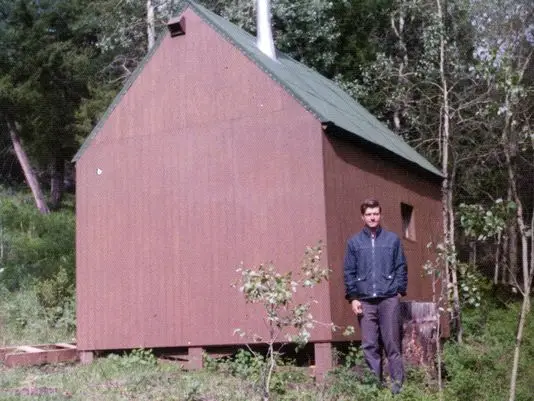
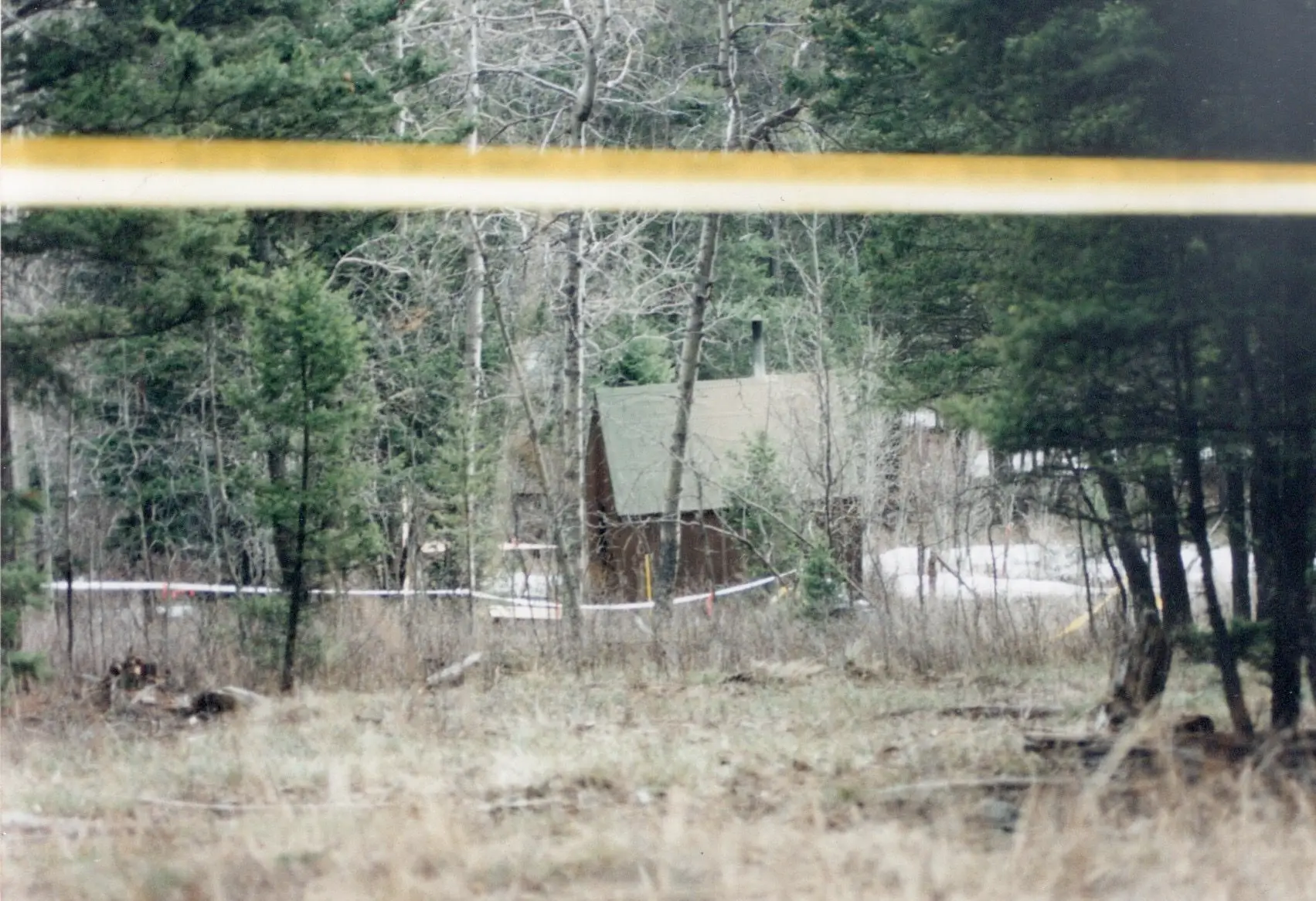
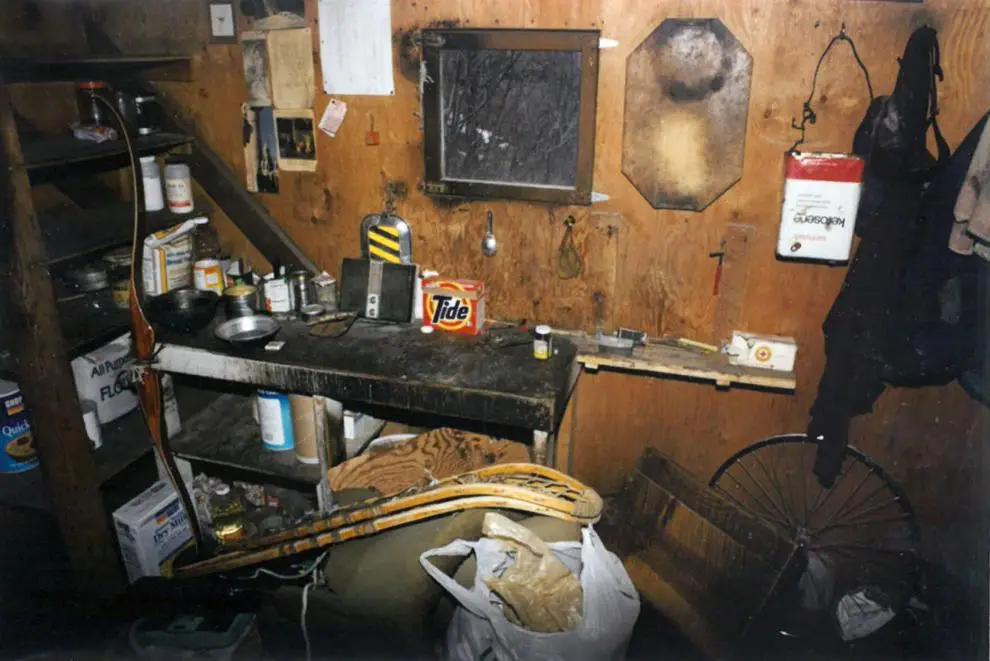
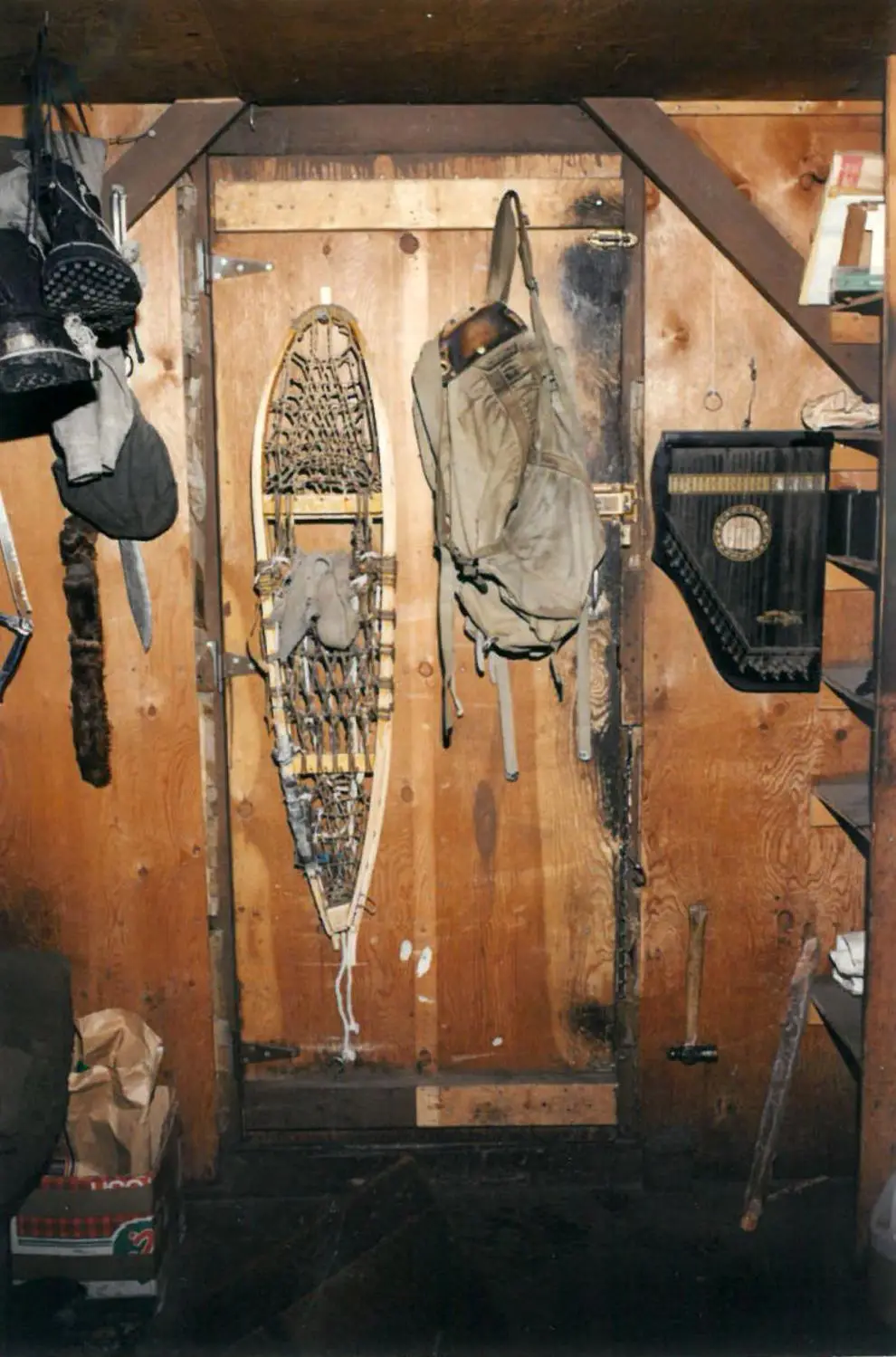
Residents of tiny, remote Lincoln, Montana, thought Kaczynski was an oddball, cranky loner. He lived off the grid in a remote mountain cabin 10 feet by 12 feet. No running water. No electricity.
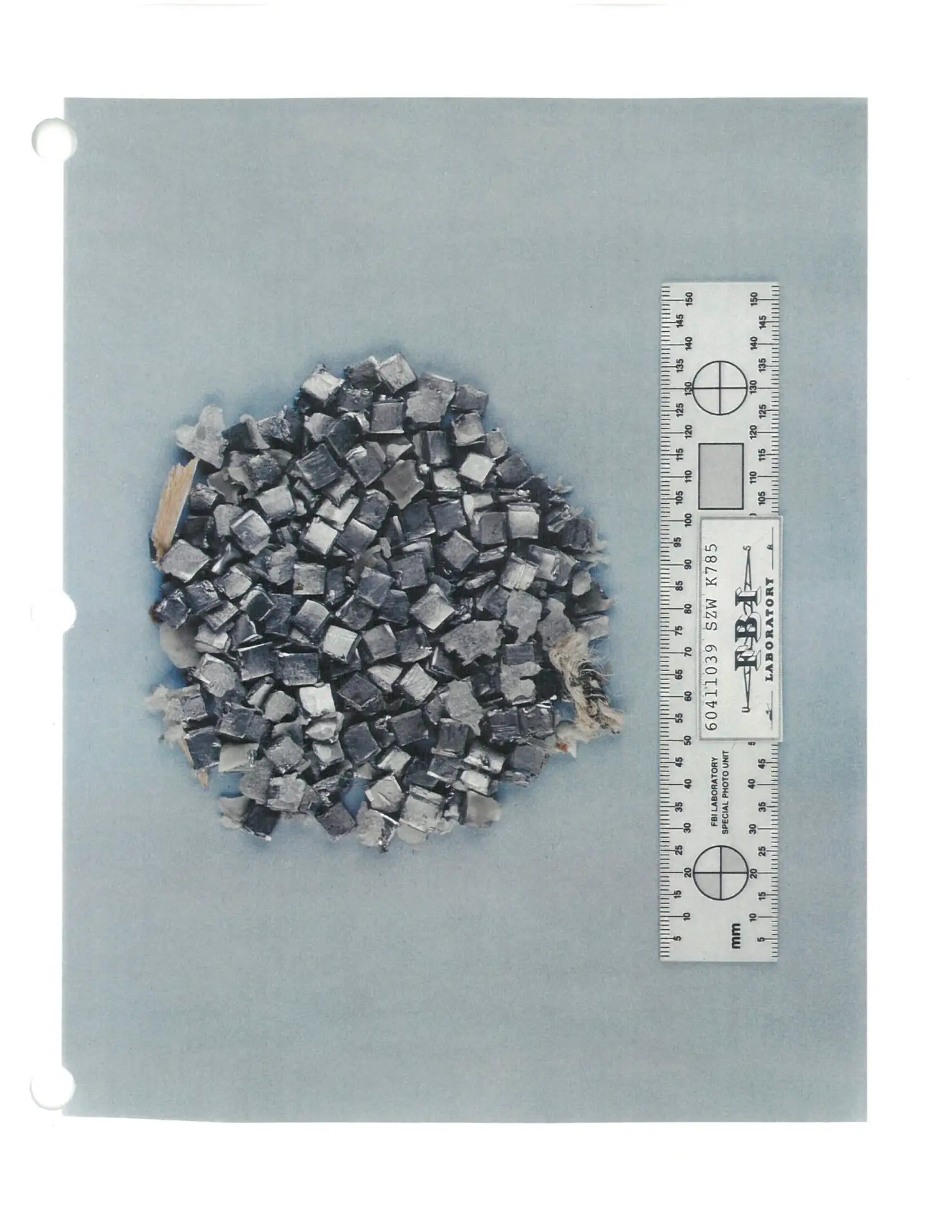
It was a primitive bomb-making factory. Kaczynski handcrafted bombs from scrap materials that were impossible to trace. He called the bombings experiments.
He smelled foul. His hair was unruly, uncombed, and dirty. No one could imagine that he was the anonymous author of a 35-thousand word manifesto sent to the New York Times and Washington Post in1995 threatening more bombings if it was not published.
Until then, it was the cold case of all cold cases. It gave the FBI a big break. When it hit the press, Kaczynski’s brother and sister-in-law spotted similar semantic railings in letters written to them by their estranged relative, and they contacted the FBI.
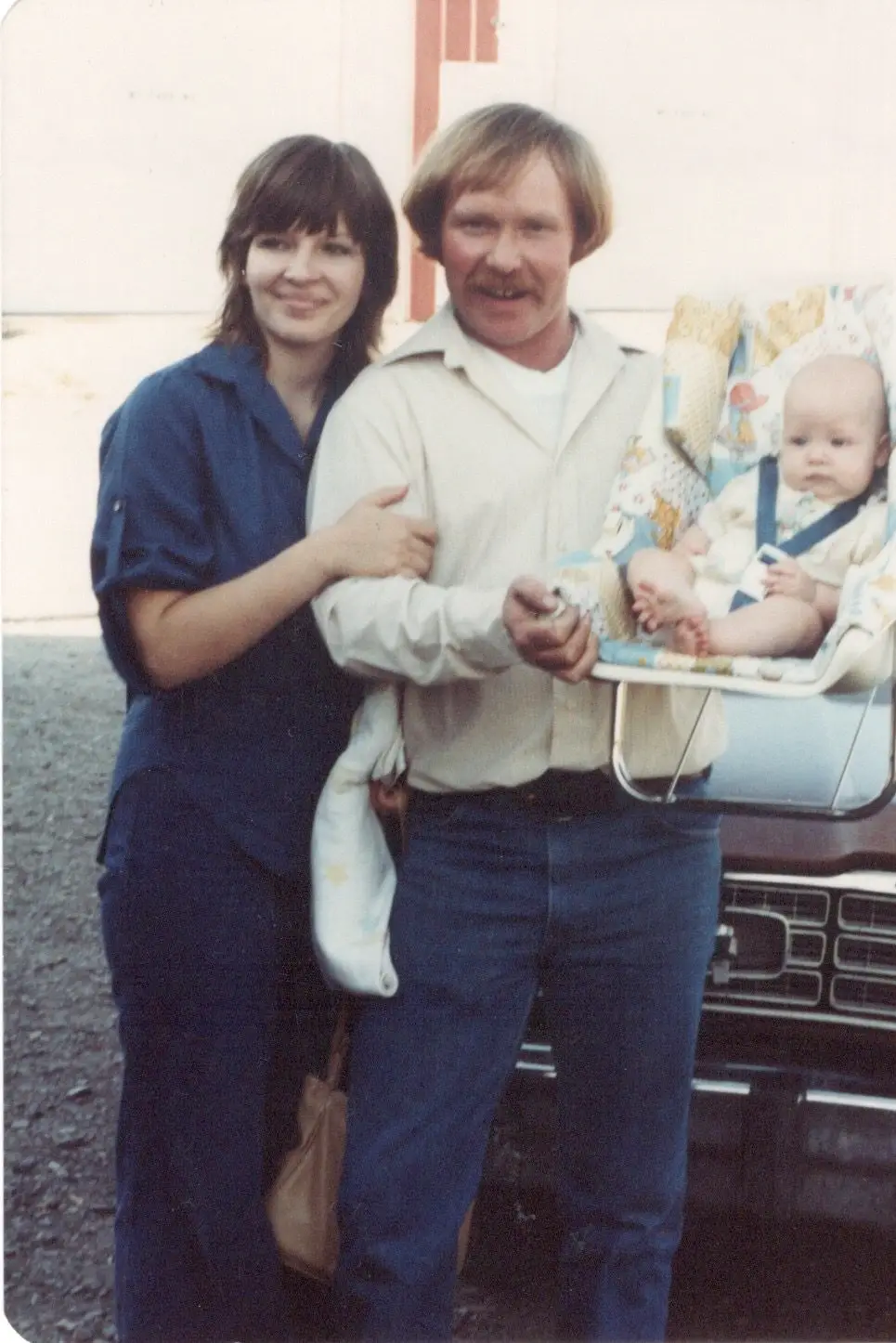
For 16 years, Jamie Gehring lived next door to this serial killer and wanted domestic terrorists. Her late father, “Butch,” helped the FBI to find his cabin and to lure him outside.
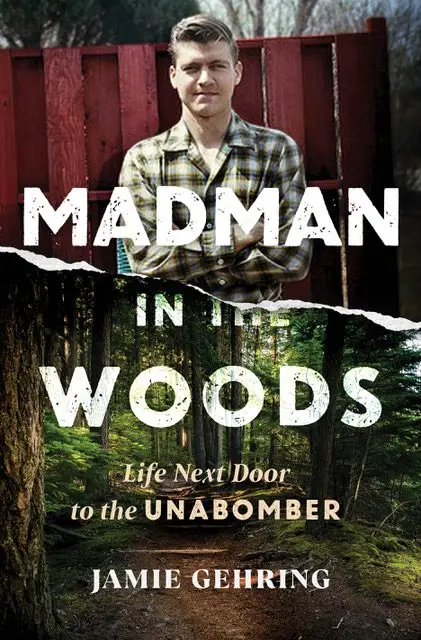
She has written a deeply researched book, Madman in the Woods: Life Next Door to the UNABOMBER.
Robert Riggs, Jamie Gehring
Robert Riggs
OKAY. Jamie Gehring thank you for joining the true crime reporter podcast with this very unique story. Let me just start by asking you, what is your first memory of meeting Ted Kaczynski as a child,
Jamie Gehring
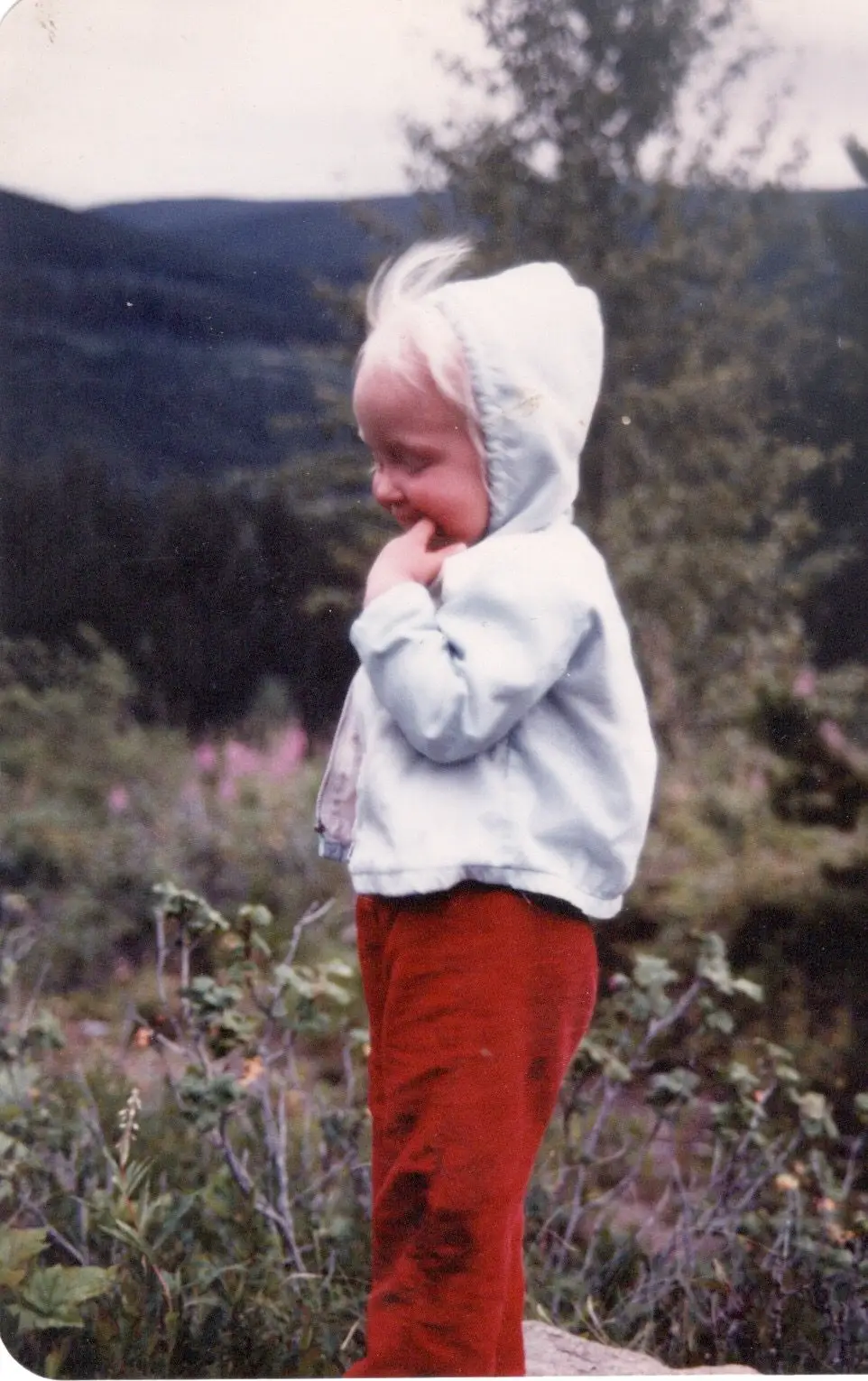
my first memory, my own memory, not something that's been told to be by my parents. But my own was when I was around four years old. And the reason that it's it's so strong in my mind is because I was playing by myself, like I did many times in the town of Lincoln, Montana, about four miles from town where our cabin was, and I was playing on the hillside. And I, all of a sudden, I realized that somebody was on the hillside with me. And where we lived in such a rural environment, that didn't happen very often. And I soon realized it was our neighbor, Ted Kaczynski, I called him Teddy at the time. And, you know, he, he really did have the ability to appear and disappear. Like, very quickly, I remember in my in my child mind, and so all of a sudden, he was there with me. And, you know, we we spoke for a little while, I waved to him and said, Hello, just like I normally would. And that specific day, he had brought me hand painted rocks, as a gift. And I was so appreciative of not only his visit, but also the thoughtful gift, that I think that memory really stayed with me, as you know, a fond thing that transpired between me in this in this neighbor of ours. Of course, now knowing who he is, who he was, what he was doing, that memory has changed in just the way of how I look at it and the perspective. But at the time, it was a joyous moment, actually.
Robert Riggs
Would you describe his parents personality, how he lived, from what you saw later as a teenager, but also what you heard from your parents?
Jamie Gehring
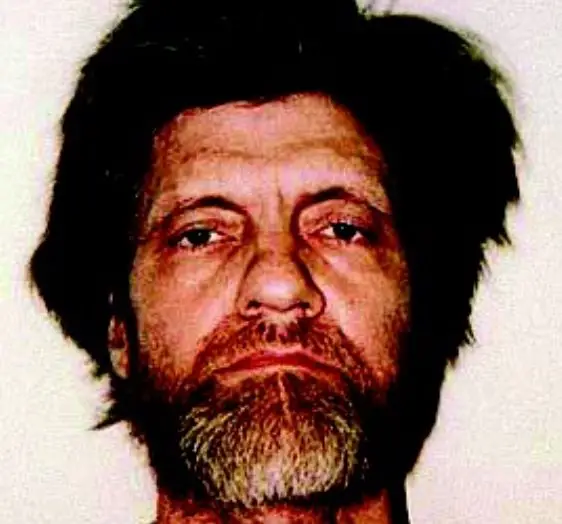
Yeah, so just to give you a little perspective, I was born in 1980. So it was about 84, when he had come by that particular time. He, he had purchased the property from my grandfather in 1971, and had become kind of a part of our lives from 1978 until his arrest in 1996. And during that time, his look and his appearance changed pretty vastly really he, you know, in in those early years, he looked sort of he sort of resembled that Berkeley professor that first moved to Lincoln. And then as the years went on, as he isolated himself in that little 10 by 12 cabin, he has not only his appearance, but the way it felt to be around him also changed. But the way he looked was, you know, in those in the middle 80s to 90s. There was almost always sweat on his face and dirt on his hands. And his clothing looks to be you know, not only torn but really falling off of his body. There were holes in his in his boots. And I mean, you could even sometimes see his foot through his shoes. His hair was disheveled. His eyes were bulging. And you know, like I said, as those as the years went on, it just got even more and more extreme.
Robert Riggs
And your parents ran a saw mill concert considering him being so anti technology and claiming to be an environmentalist. How did that rubbed them the wrong way? Him in the wrong way?
Jamie Gehring
Absolutely. I mean, we didn't quite realize it at the time because he didn't make his opinions on the sawmill clear, other than the frustration maybe of people, outsiders around or the noise sometimes. There were disagreements between him and my father, about the sawmill and about you know, people that were that were around Ted's property that my father had hired but even With his hatred towards Industry and Technology, he was able to put that aside and come work for my father, um, for a short period of time. And you know, most likely because he needed to fund his campaign of domestic terror. So, yes, he he absolutely despised it, he even now we know he sabotaged my father's sawmill, shutting him down for some time. But he also was able to come work for my father. So I think that's pretty telling.
Robert Riggs
So you in examining his life, you see these contradictions?
Jamie Gehring
Yeah, it's it was as though there were these two completely different people I was studying and reading about, during the five years that I was researching and writing this book. And, and that particular example is, you know, again, very telling of these two people, this person that just spends his days and nights writing about his hatred of industry is hatred of technology. And then the next day is asking for a job and that specific industry.
Robert Riggs
But he has no electricity, no running water. What is the terrain look like? Are because I remember the FBI, they had trouble even getting surveillance pictures,
Jamie Gehring
they did have trouble getting surveillance because he was surrounded by very thick timber, you know, any pine trees, and during the time in which they were trying to get the images, the results of snow, you're in the middle of Montana in the winter time. And so there's, again, he's about four miles outside of the town of Lincoln. And even that town is very small. It's about 1000 residents. There's one blinking stoplight, you know, there's one small grocery store at a post office, but it's very, very small. And outside of his home, he is completely surrounded by trees and running streams and mountains, and exactly how you would picture Western Montana. But again, he's absolutely isolated out there. He, you know, we were a quarter mile away, our cabin was but he was also surrounded by our family's ranch land. So he was even more insulated.
Robert Riggs
Well, there was a tree he was very fond of. And anytime your dad kind of wanted to get his attention or jolt him into awareness, he would threaten to cut the tree down.
Jamie Gehring
Yes. And he did it in, you know, most of the time. I think it was in a joking way. You know, he would say like, Teddy, you want me to go get the chainsaw. And Ted knew what that meant, like the the argument was over as soon as my father had said that. And of course, after Ted was arrested, my father looks back on that moment. And it was terrifying that at that point that he had threatened the serial killer next door with something like that.
Robert Riggs
Did he? Did Kaczynski ever invite your parents into the cabinet? Or did he ever come into yours?
Jamie Gehring
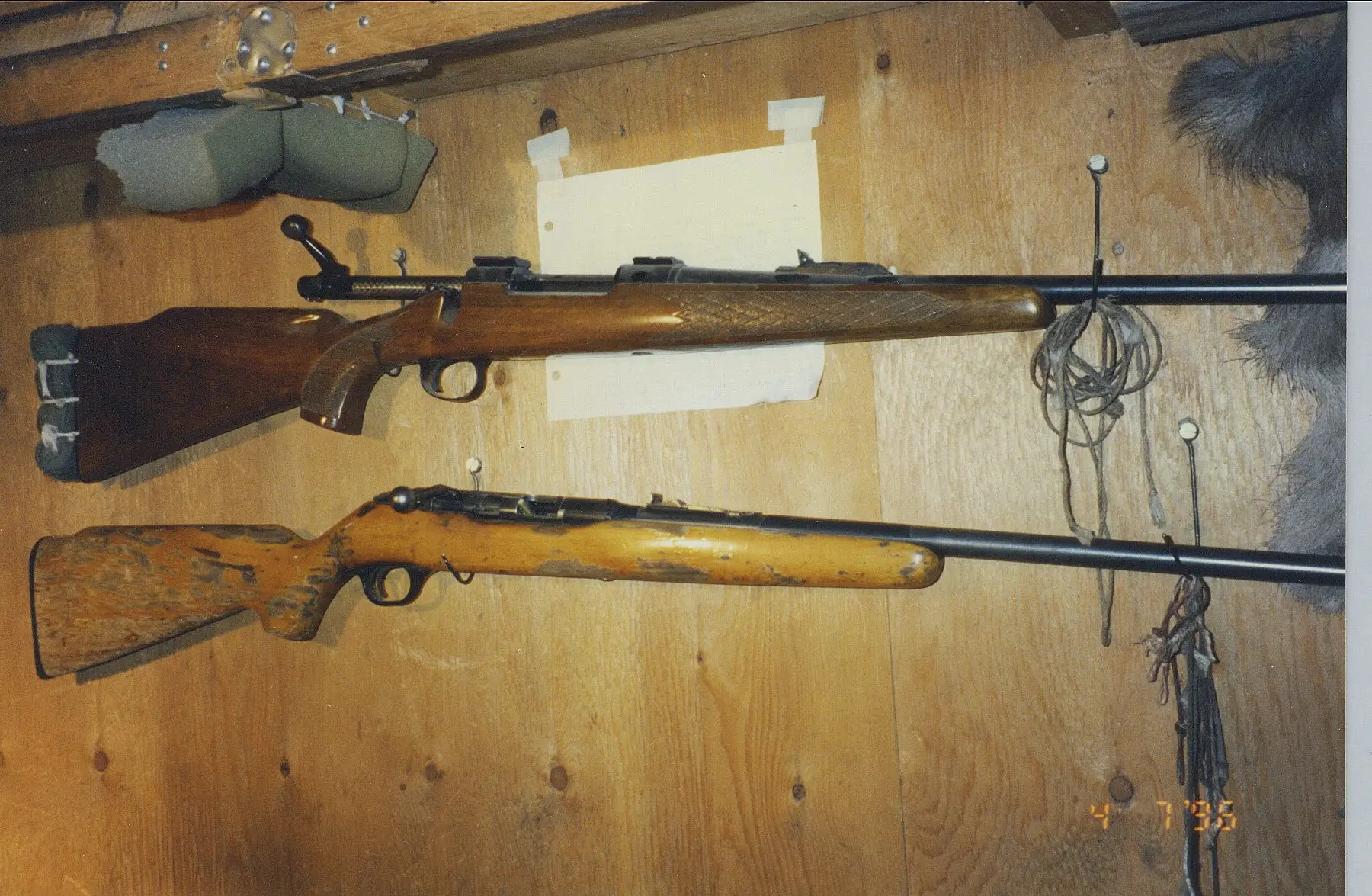
So Kaczynski never invited my parents or myself into his cabin. And for good reason, there were, you know, when he was arrested, there were guns and bombs and a bomb that was constructed and ready to be sent. There was his typewriter that he ended up typing the manifesto on. So it was full of evidence. That of course, he didn't want anybody to witness. However, my parents did invite Ted over. And, and that really happened in the late 70s, early 80s. So I was still a baby when he was coming over, but he was he was coming over and having dinner with my parents, and staying late and have been playing games of Pinnacle and really presenting himself as, yes, an eccentric neighbor, but a seemingly normal neighbor who would come over and bring gifts and stay for dinner and stay late for game a pinnacle.
Robert Riggs
But he was already blowing people up at that time. He was
Jamie Gehring
he was, so he was his first bomb was a night He's 78. So the entire time between 1978 and 1996 at his arrest, he lived right next door to us. And you know, like I said in the late 70s, early 80s, he was still coming over and pretending as though he was just this average neighbor.
Robert Riggs
Do you think your father is the one person that had the most contact with him?
Jamie Gehring
I think over the years, yes, my father is most likely the one person that had the most contact with him. He was friends with a nother neighbor that lived a bit further away for a few years, Chris weights and things kind of fell apart between them when Chris got married, which reminds me of kind of what happened when David Kaczynski, Ted's brother, married his wife, Linda. And so that relationship definitely changed. So yes, I think over the years, my father would have been the one who spent the most time with Him and who was who was closest to him?
Robert Riggs
Well, from reading your book, I get the impression you're your dad was the kind of man who thought the best of every one, and maybe would never even had a hint or a suspicion.
Jamie Gehring
So my father was very trusting and tell and tell he wasn't. And so you know, I don't think there were definitely moments where my dad had suspicions. And and that first happened that I know of, at least, was when his sawmill was sanded. And he was talking to another neighbor Chris weights about it, and was saying, You know what, I think it's possible that it was Ted. I just that there's just something there. I just have this feeling. And Chris dismissed it and said, Oh, no, there's no way that could have that was, you know, that couldn't have been Ted, he wouldn't do something like that. My father, let it go. And then there were a few more incidents where they had choice words with each other and disagreements. And there was just something that did not feel right to my father. But there was never a time or an incident in which he could have made the jump from eccentric neighbor to the Unabomber. That was just that was too, too far.
Robert Riggs
Well, in the book, you tell the story as a little girl, he's coming to the house and pet looking in the windows of the cabin, you're at your house cabin and pounding on the window, and you're terrified. What changed?
Jamie Gehring
So I think it's a combination of things. I think that Ted was more immersed at that time into his campaign of domestic terror. He was spending every moment planning attacks and killing people and then lamenting if he only maimed somebody, rather than murdering someone, I think that the years of isolation, and you know what, in my opinion, an underlying mental illness, and then all the things that created this person just became more and more intensified. And that came out in his demeanor in his appearance. And then I was getting a little bit older, and I was also understanding more of the world around me compared to when I was four on the mountain side with him. And I was trusting innocent. You know, it was when I was 910. And then, of course, when I was a teenager, I remember and I still like thinking about it now and talking about it. I still feel the just sheer terror that I experienced being around Ted. And so I think it was really just a combination of things that that made me feel differently.
Robert Riggs
Well, the Unabomber was in and out of the news, through this whole period, I think didn't even take a break at some point.
Jamie Gehring
He did. He took a break in the early 80s. Like I think it was 8384. And in my book, I talk about this because it was about the same time that he was coming over and bringing me gifts, and I had these kind of fond memories of him and so that I think that child in me that hopeful part of me envisioned that maybe he was maybe he thought about stopping. But the evidence shows and my interviews with the FBI show that he was really just taking a break to math stir his killing and improve the effectiveness of his bombs.
Robert Riggs
And for the book you comb through his personal journals that they recover from from the cabin war kind of the high points that struck you are just shocked you are disgusted you
Jamie Gehring
one second my cat just came in me. Let me get him out and I'll be right back
Robert Riggs
what happens? I'll ask the question again, make it easy. Okay. Well, I know that you dug through his journals that the FBI recovered from his cabin. What scared you disgusted you shocked you.
Jamie Gehring
There were many things, honestly, that did all of the above. The two things stand out, in my mind, the most that were so incredibly disturbing and tragic, was one when I would read his crime journals that were in the FBI file. And he would talk about his criminal activity. And the people that he would attack. And in those writings, he would call these human beings that he sent out to kill, he would call them experiments. And there was something about that, that was one just unforgettable, and just really shook me to see this person that I knew this neighbor of ours, talk about the people that he was harming in this way.
Robert Riggs
He even numbered the bombings, experiments.
Jamie Gehring
Yes, he did. Um, so I think that would have been, you know, the first thing that I found in my research that really had had a large impact on me and just kind of shaping my understanding of this person and what he was capable of. And then too, I think, well, I know that, for me, personally, what I discovered about what was going on, in our own shared backyard. So I had, I had known what happens on a national level and his crimes. But I didn't know the extent of the violence that was happening in our backyard. And there was an incident in which Ted was in the woods with his rifle. And he saw my stepmother and my little sister, Tessa, who at the time was a toddler around two years old. And he was looking at my stepmother and my little sister through the scope of his rifle. And he had later written about that moment in his journals. And he said something like, he could take the big batch out, but then the little bit should be left on the hill. And he went on about it, but that reading those horrific words about the people that I loved, it was it really changed my own feelings in my perspective of this person. I mean, he was no longer Teddy, or an eccentric neighbor next door. There was actual proof that we were in danger. And that I mean, that was a that was a really tough, tough discovery.
Robert Riggs
Okay, well, we'll pause just a minute. We'll put a break in here and we'll start back up. Well, Jamie, I grew up in a small East tech says town rural and we had a couple of hermits in town now they were in town and they were in dilapidated buildings and that sort of stuff. And everybody thought they were weird, strange one bathe on the front porch and a big tin bucket type thing. But we would have never imagined they could have been a bomber like this the Unabomber. Once you discovered and learned it was it was Ted Kaczynski did it people go oh, yeah, we shut it down.
Jamie Gehring
You know, some people did. But even reading the FBI interviews of the townspeople after Ted was arrested. A lot of the population was in disbelief, because he did such a good job of creating this facade. And he did. He seemed like he was shy, he was different. He, in their minds, even in our minds, he could never have harmed anybody or been a killer, especially not one that could hide from the FBI, from 1978 to 1996. I mean, it was a strong disbelief and most people,
Robert Riggs
well, he was so unkept. And so dirty and smelly, as you described in the book? How did he get out of there and get on buses to go places to deliver his bombs.
Jamie Gehring
So he had a little hotel that he would stay at, in, in Helena, where he would shower and he would shave, and he would, he had his specific clothing he would wear for these trips, so that he fit in, and it was all part of, of his plan. And he was like I said, he was so diabolical and so methodical about it, that he thought those things through. And then he would, when he came back, I remember when I was writing the book and doing the research my set mother saying something like, I she thought that he intentionally would hide after he would return because they wouldn't see him for quite some time. And then, you know, that wasn't really normal, because he would come in and out of his cabin. And you would have to pass our sawmill in order to go into town. And so we saw him quite frequently on his bike or walking in to town and there would be these big gaps of time, where we didn't see him at all. And of course, she had the theory that he had to grow the facial hair back and look like a hermit again. Before he would see people around town, which made sense.
Robert Riggs
Hard to say isn't saying that's very premeditated.
Jamie Gehring
Yes, that is very premeditated. That's true.
Robert Riggs
So he wrote a bicycle at that. You've got some pictures there. Could you share it? Let's describe the bicycle in your memory of it. Yes. Jamie's opening up a thick, thick photo album
Jamie Gehring
Okay, here's the bicycle. And so it really, it's, it's a part of a few different bikes that he's put together. It's red, red and color. Yes. And, you know, there's no fenders. And I remember when he would ride this bike, it always looked so rickety. And, you know, it was seemed wobbly. And of course, he's riding on dirt roads with potholes. And um, so that didn't help. But it was almost kind of humorous, watching him ride this, this bike here.
Robert Riggs
And in these pictures that you can see how thick the forest is.
Jamie Gehring
Yeah, so you can see you know, the terrain around around his home is all you see is trees. And you know, there's a stream. But there's there's really no seeing even Ted's cabin from the adjacent property.
Robert Riggs
Do you think anything else there you want to direct my attention to?
Jamie Gehring
Yeah, you know, I found one of the journal entries that I cite in my book is Ted talking about how he feels, you know, he he feels free to litter in the forest as needed. And again, one of those huge contradictions I was talking about earlier, but this is the trash pile. That was right. next to his home, and it was just full of all of these tin cans and jars. It was really a pretty big eyesore and it was surprising that that was that close to this pristine little cabin
Robert Riggs
so much for his desire for the purity of the environment even talked about the need for pure air he didn't like the sound of your your dad sawmill. Nothing disturbing him. Right, exactly. You really dug through the court records. And well before I go to the court records, let's talk about your dad's role with the Forest Service. Ranger and the FBI agent. Tell me about them. And that FBI agent really seemed smart and on the ball and great disguises they had and can you walk us through that of how do they get into this remote area and surprise him the way they do without a shootout?
Jamie Gehring
Yeah, so I think this is such an interesting part of the case in the investigation. You know, FBI agent, Max null was the arresting officer on the unit bomb Task Force. And months before because he was arrested. He came to the town of Lincoln to really, you know, of course to see if he could see the property and see the house and and plan, you know, the arrest in the worst worst case possible what what would happen if if Ted tried to flee and where he would go and all of those things. But he was also just trying to get an idea of the town and how people lived on. So he spent some time there doing surveillance as well as going to Helena and doing surveillance there. And he then took the next step, and decided that he wanted to meet my father. Because again, my father was somebody that had been neighbors with Ted for so long. That wasn't out of place around Ted's property. And Max needed to know if he could trust my dad, because he thought he might need his help. And so Jerry burns, the Forest Service agent.
Robert Riggs
I'm sorry, hold on. That's okay. No problem. Okay.
Jamie Gehring
Okay, so, the Forest Service agent, Jerry burns, was a childhood friend of my dad's again, very small, tight knit community. And Max had already reached out to Jerry. Um, so Jerry introduced my father to max. And it didn't take long for them to both ascertain that they could trust one another Max and my dad. And during their first conversation, Max Knoll told my dad, that they were looking into some threatening letters that our neighbor Ted had written. And that was very easy to believe. And as they continued to talk, Max decided it was appropriate to share the truth. And that was, of course, that they were looking into him because he was the suspected Unabomber. It took my dad some time to process and he still had his reservations if Ted could really be the Unabomber again, living in this rural environment, no heat, no electricity, this 10 by 12 cabin, how could he possibly run this? This campaign of domestic terror for so long, and, you know, essentially trick the FBI. But he knew Max was there for a reason. And so he offered to take Max up to the cabin. Because they again, they were dressed just like anybody in Lincoln, Montana would be with their jeans and Western snap front shirts. And they looked like they could be minors. They've that they fit. They fit the part.
Robert Riggs
Did they actually, you know, what do you know, scuffed up pickup truck that maybe had a mining label or decal on the side. They really had a good cover.
Jamie Gehring
Yeah, they thought of everything. They had these rented dent trucks basically that they rented for the time they were there. And they had a little placard of the name of the mining local mining company in the vehicle. And so I think Like the Hollywood version is all these FBI agents and their big black Suburbans. But it was not like that at all. Afterwards with the press there, it looks similar to that. But they did such a good job of fitting in. And then, you know, Max knew that he needed the assistance of a citizen he could trust. And that tag would trust. And so, I mean, that thinking of that was, was so important to not only the investigation, but to the, the safety of the arrest as well. And so, yeah, on that day, Max, was able to go up to this cabin of this, you know, this man, they had been hunting for so long. And they just planned on getting a little glimpse of the cabin, and then returning back to the sawmill. And of course, my my dogs started barking at a deer and chasing a deer. And so there was all this ruckus outside, and they were a few 100 feet away from the cabin. And Ted Kaczynski comes out the door, and to see what the noise is. And that was the first time Max had set his eyes on this person that was maiming and murdering people for decades. And he couldn't believe that this could be their man, just based on his appearance based on where he was living. And so then after that, my father did everything he could to help the FBI. He reported back to max on if there were footsteps in the snow, for instance, or, or smoke coming out of the chimney, just to let them know if he was in, in the home. If you know he was somehow leaving, and they didn't see that. And then when they were unable to get the images of the cabin and the terrain, my father went out there with his little handheld video camera, the same video camera, he recorded Christmas and birthdays on and took footage of not only Kaczynski his cabin, but the surrounding so that they could truly plan for the arrest. So yeah, my dad was a very large part of the investigation and the success of the arrest. And when I initially reached out to max Knoll, when I was doing this research and writing my book, he responded with basically like, of course, I want to help you, your dad was my eyes and my ears of this investigation. And I couldn't have done it without him and my dad had already passed away by the time I was writing this, and he was so secretive about many things on the investigation, that it gave me a whole new perspective and a whole new level of respect for what my father had contributed.
Robert Riggs
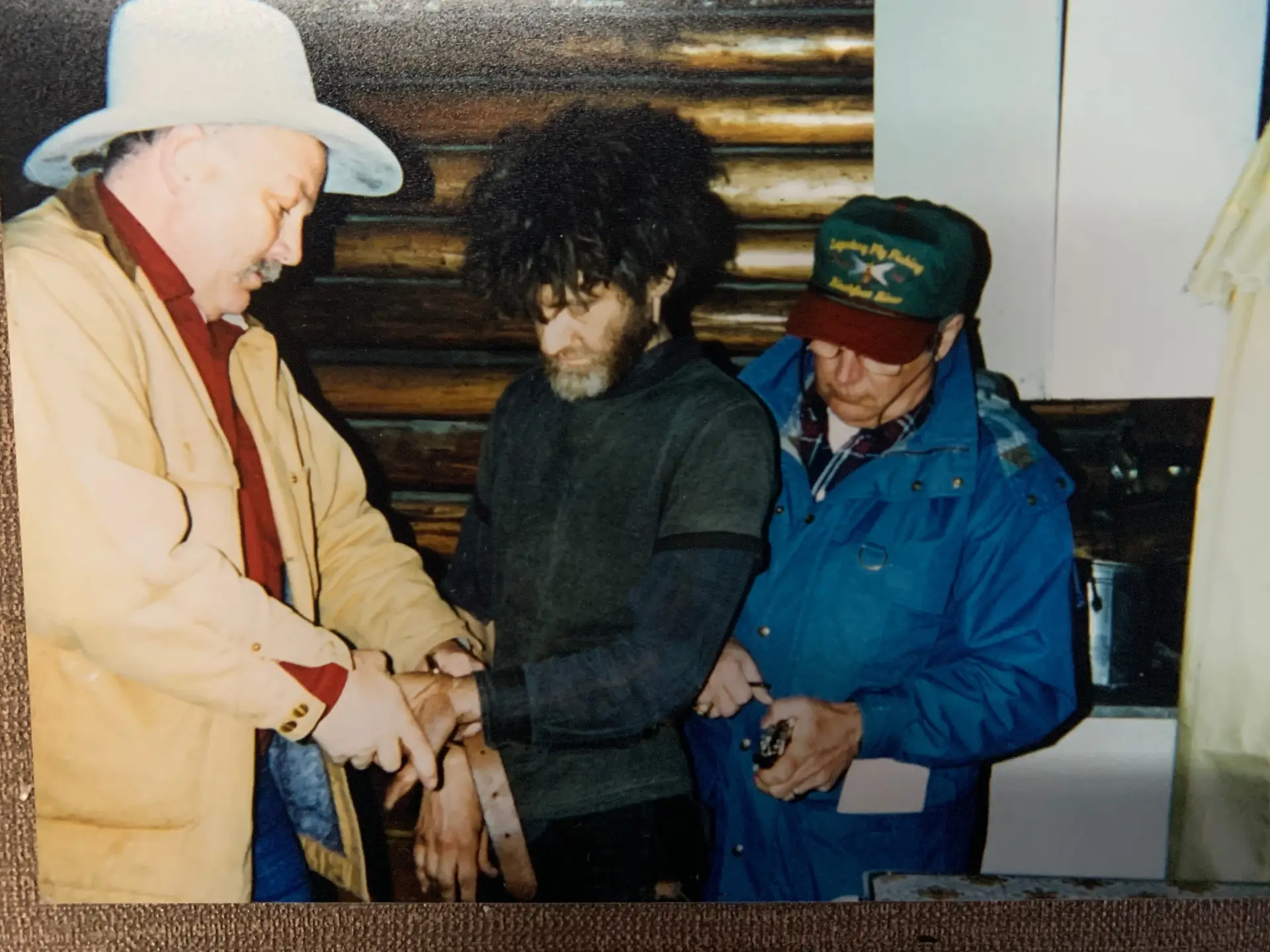
Well, and your father eventually took the FBI back with the Forest Service agent under the guise of checking property lines for the mining company. And that because got Kaczynski out of sight outside and they took him It took him into custody with out of surprisingly without no fight. It was just such a surprise
Jamie Gehring
to him. Yeah, it was. It was Max No, and Tom McDaniel and Jerry burns. That approached the cabin. And my father told them to ask Ted that for him to come out so that he could show them where his property lines were because they were from this mining company. And they were doing some surveying and it was the perfect ruse, because otherwise, Ted was not coming out of that cabin. But if if it had anything to do with his property and his space, then they they knew that he would cooperate. And as soon as he was, you know, stepping out of the cabin, that's when they tackled him and read the Miranda rights. And of course, the rest is history.
Robert Riggs
After Kaczynski was found guilty, there were victim statements in the courtroom and you've you've been through all of them. You include some of them in your book. Could you read a little from the most poignant ones, so listeners really get a sense of what happens to families in violent crime?
Jamie Gehring
Yes. And I will say that I have been I've been asked pretty frequently about why I didn't Interview the victims for for my book. And while I did I, in my mind, I would say that David Kaczynski, Ted's brother is a victim of this story in this tragedy. I didn't interview him, I interviewed the FBI who, who lost so much time, you know, with their families and focused on this, this criminal, I interviewed them and I think they're a victim in some way, although they were doing their jobs. I had already found the victim impact statements. And I really felt that they had one said, all they really needed to say for us understand how this has affected them. And to I didn't want to bring this up for them again, yet again. I'm sure they're still living it. But these impact statements. I mean, I, I honestly still think about them. And when I narrated my book for Audible, I had to stop a few times while reading them because I just got so choked up in response to this raw emotion, that, you know, they're communicating it and picturing them in a courtroom, especially saying these words was I mean, it was just so heartbreaking. Okay, let's hear the first one. So this first one is the one I'll read is from Susan Moser who lost her husband Thomas. And she says it was the worst day of my life, but only the beginning of the nightmare. That is the Unabomber. My children are bleeding from their souls. Sometimes it is a pinprick. Sometimes it is a hemorrhage to lose your father this way is unfathomable. And even three and a half years later, we are still processing this horror. If it processed all at once you jump off a bridge. Every holiday has pain every Father's Day, every birthday, every graduation, every award every everything. Even in jail, a serial killer wants to kill and Kaczynski will use his manipulative mind to try to figure out how if he hasn't already. He is a diabolical, evil, conniving murderer. He has no cause except his own that is to kill anyone. Please, Your Honor. Make this sentence bulletproof bomb proof if you will. Don't let Kaczynski murder justice the way he murdered others. Please keep this creature out of society for every forever, in every way possible. Make this sentence as permanent for him as he has made ours. Tom's and the others. his so called causes are a smokescreen for his only objective, to kill anything that is alive. Lock him down so that when he does die, he'll be closer to help. That's where the devil belongs.
Robert Riggs
And indeed they have. He's in the supermax of supermax units. Where I doubt if he's even sees night and days probably sees nothing but concrete.
Jamie Gehring
Yes, he he actually has been moved from supermax. But that is, until last December, that's where he resided. And he only was moved because the prison system felt it was appropriate to move him to Buttner FMC. But yes, for four years, he resided in a very small cell with concrete walls, you know, surrounded by beautiful Rocky Mountains, but not ever being able to see them. And you wrote to him. I did write to him, and it's something that I've always wanted to do. I think there was part of me that still wanted some sort of closure. It's for me to acknowledge what he's done. And you know, I think there was a part of me that hoped maybe all these years and this tiny little cell he would look back on his actions and his crimes and you know, maybe maybe there was an apology there for everything he put my family through and of course that was naive and that was that that was that part of the child I suppose in there still that had hoped for that and of course he did not apologize. I know that's not shocking.
Robert Riggs
Well, I want to thank you for coming on. I want to remind our listeners that the book is madman in the woods and over the years as I've followed this case, this really is a very different perspective to to talk to somebody and hear the story of of of a family that was probably the closest to him. So thank you so much for coming on.
Jamie Gehring
Thank you so much for having me.