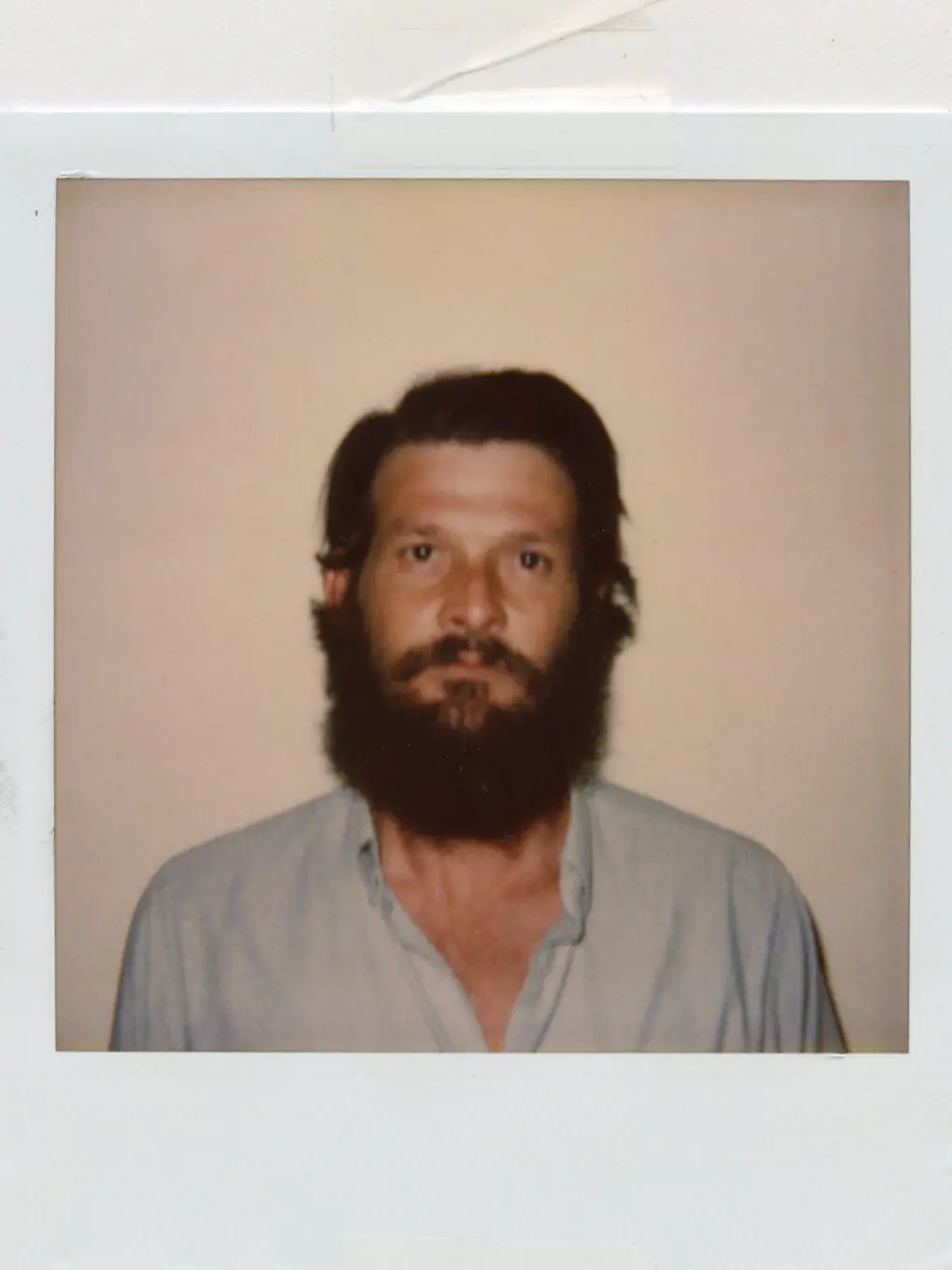
Robert Riggs
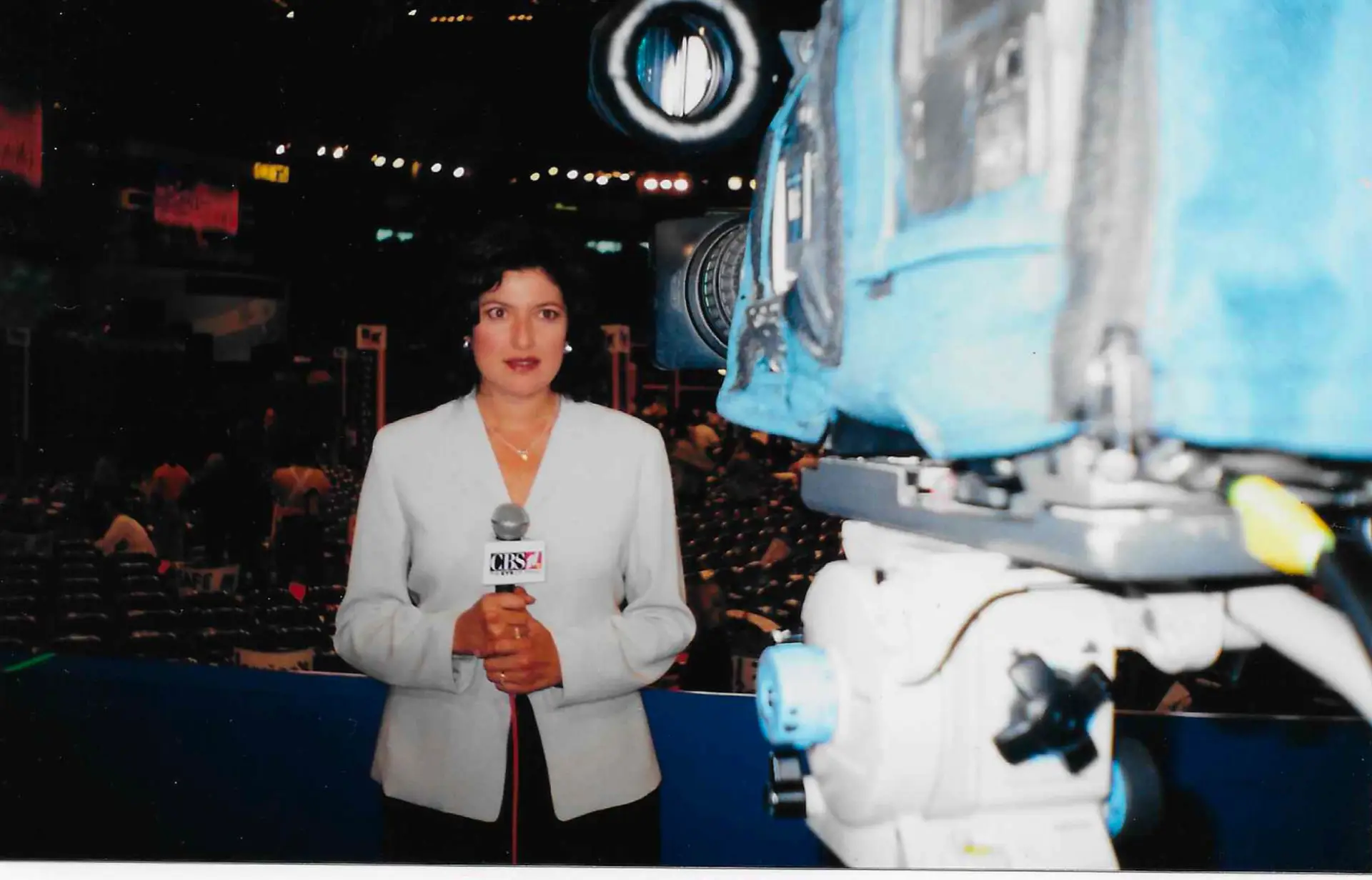
True crime reporter goes inside the yellow crime scene tape. I'm investigative reporter Robert Riggs with decorated former federal prosecutor Bill Johnston. You can follow our journey into darkness and get bonus episodes by joining our true crime community at truecrimereporter.com. Our true crime cases are stranger than fiction. With that said, here's a classic police procedural, a true crime reporter confidential. There are stories that we journalists cover that stay with us forever. Certainly, one that has haunted me for 30 years is the case of serial killer Kenneth McDuff, and I know it's haunted my co-host Bill Johnston, the former federal prosecutor who launched the manhunt for McDuff and then later prosecuted the parole board chairman for corruption, who let Mcduff out of prison early, and we have another reporter, former television news reporter Rebecca Rodriguez, who has been deeply affected by her coverage of McDuff. Rebecca, take us back to when you first started covering the case of a young woman who suddenly just disappears in Austin a few days after Christmas in December 1991.
Rebecca Rodriguez
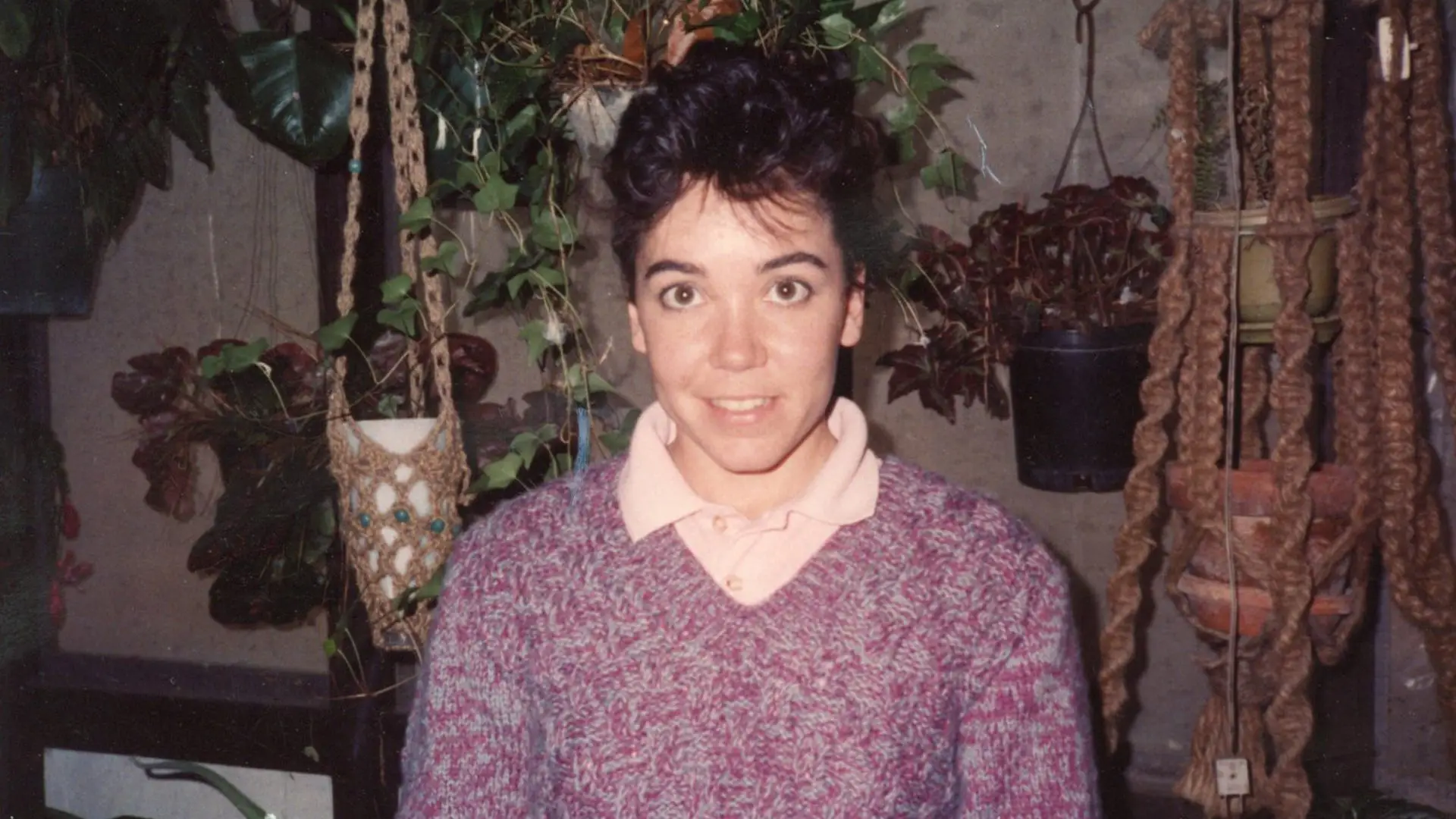
So that's when I was working as an anchor and reporter at the ABC station in Austin, and you know, really, it was it was a shocking disappearance, you know, because it seemed to happen in a what would one would consider a relatively safe environment. It was a Sunday evening. I remember it so clearly. It was a Sunday evening. She was washing her car and vanished. It was you know off of Fifth Street, which was in a residential area not too far from Sixth Street, but not in that entertainment area further west of it, and so you know, at first it was a missing persons, obviously a great concern to everybody. Her fiance at the time was you know very much at the forefront of that search, as was her family, and you know it was just a it was kind of a shocking thing, you know, really to to imagine happening to a woman who seemed to feel very comfortable in her environment washing her car,
Bill Johnston
for people that know Austin, Texas today as this thriving, tech-driven, amazing-you know, really large city now, what was it like in terms of the, for lack of a better term, the innocence of Austin and Austin, Texas, in those days,
Rebecca Rodriguez
you know we've talked about that a little bit too. It changed so quickly, really. I mean, I'd gone to school in the area, and so I'd spent a number of years there, and had seen things changing from the late '80s to the early '90s, and certainly it began to feel like a bigger city, but by comparison, when you look at Austin today, it was so different. You did feel comfortable. You felt safe taking that evening jog. You felt like you could leave your home, your apartment, and go for a run, and you'd be fine. You know, you could go run at Camp Mabry at night and felt safe. I mean, there was just a level of comfort and safety that I think many individuals and certainly women felt in being able to just sort of move about at at their at their leisure. And certainly, washing one's car is something that I had done. That I would have I would have never thought twice.
Robert Riggs
Well, it was really laid back then, and you know there were bumper stickers that said "Keep Austin Weird. They may still be there today, but what then when this happens? What are you and your girlfriends? What's your reaction? What happens across the city?
Rebecca Rodriguez
Well, you know, I think folks began looking over their shoulder, and I will tell you to this day, I'm not comfortable washing my car alone. That sounds maybe like an overreaction to something, but you know, I don't do it without making sure that I feel safe in my surroundings, looking to see who's in the other bays. I mean, it's one of those things that it was so abrupt, it happened so quickly and suddenly, and she was taken physically, taken and carried away in a manner in which she could not fight back. That it made me feel as though any woman could be that helpless.
Bill Johnston
And we know now, of course, and knew not terribly long after the events from the accomplishment. His confession that Macduff, like a shark swimming around a bait fish, went around the car wash. He saw her. He parked, I guess, left his car running. Parked right next door, next next to the bay, and then grabbed her by the throat. And as you said, McDuffs, we know that Macduff's victims were often rather petite women, and he was six four, huge hands, and he of course bragged that it was like grabbing a chicken by the neck. But I think in what you said, the the horror, for lack of a better term, or the terror of vanishing in the night, vanishing, soap still dripping down her car, I I think that's part of the the shock that Austin felt, and you know I prosecuted in federal court in Austin, some in that time, violent crime was pretty rare in Austin. Violent crime against strangers was very rare in that day.
Robert Riggs
Her keys are in the ignition, purse on the seat. I mean it, and I still remember the suds rolling down the side of the car, still there, and she's gone. No hint, nothing.
Rebecca Rodriguez
What what struck me, and you know, you talk about what we learned later from his accomplice, was her yelling and screaming, "Not me, not me, not me. I mean, she knew she knew exactly how it was going to end, and immediately knew she had been chosen by a predator,
Robert Riggs
and I remember later there were two capital murder trials, and I remember the the women reporting it really hit y'all hard that not me, not me, of putting yourself in that situation.
Rebecca Rodriguez
Those words, Robert, I think in particular because you know, growing up, you have parents that caution you. You know, it it could happen to you. It can happen to anybody. I mean, it can happen to anybody. Don't let your guard down. Be careful as a parent. You know, I've cautioned my daughters in the same way. You know, you've got to be careful. Don't let your guard down. Nothing's going to happen. Well, you don't know that. Is I think what every parent says in response to that. You don't. You don't know that, and that kind of was that worst case scenario, that worst fear realized.
Bill Johnston
She was. We now know even the backstory about why she was washing her car, and I don't know if you've heard that, but and I should say she is
Robert Riggs
29 year old Colleen Reed, who is an accountant. Yes, Colleen, very petite. Yes, I mean loved by everybody. And you know, just before she was abducted, she'd been out doing charitable work.
Bill Johnston
Just horrifying. And when we learned a few months later the details of what happened with her, I know several of us in law enforcement, prosecutors, and detectives, and police, U.S. marshals, and others, we were surprisingly, indescribably torn up by it, all of us pretty much had daughters, or you don't even have to have a daughter to get that. But the details you can't get away from. We haven't yet, and to this day, none of us have.
Robert Riggs
And it was two months later that up the interstate north of Austin, about an hour's drive in Waco, he abducted a young, pregnant convenience store clerk who had two children in the dead of night, and she vanished, and everybody was stunned. Now later, after the manhunt, which Bill initiated and became a nationwide manhunt with U.S. marshals. He was tried for capital murder. He's charged with capital murder for her, Melissa Northrop, and also for Colleen Reed, a different case. But you covered the first trial, which was held in Houston, away from Waco, on a change of venue because of all the publicity. What was it like when you first saw him in person, knowing what all he had done to his victims,
Rebecca Rodriguez
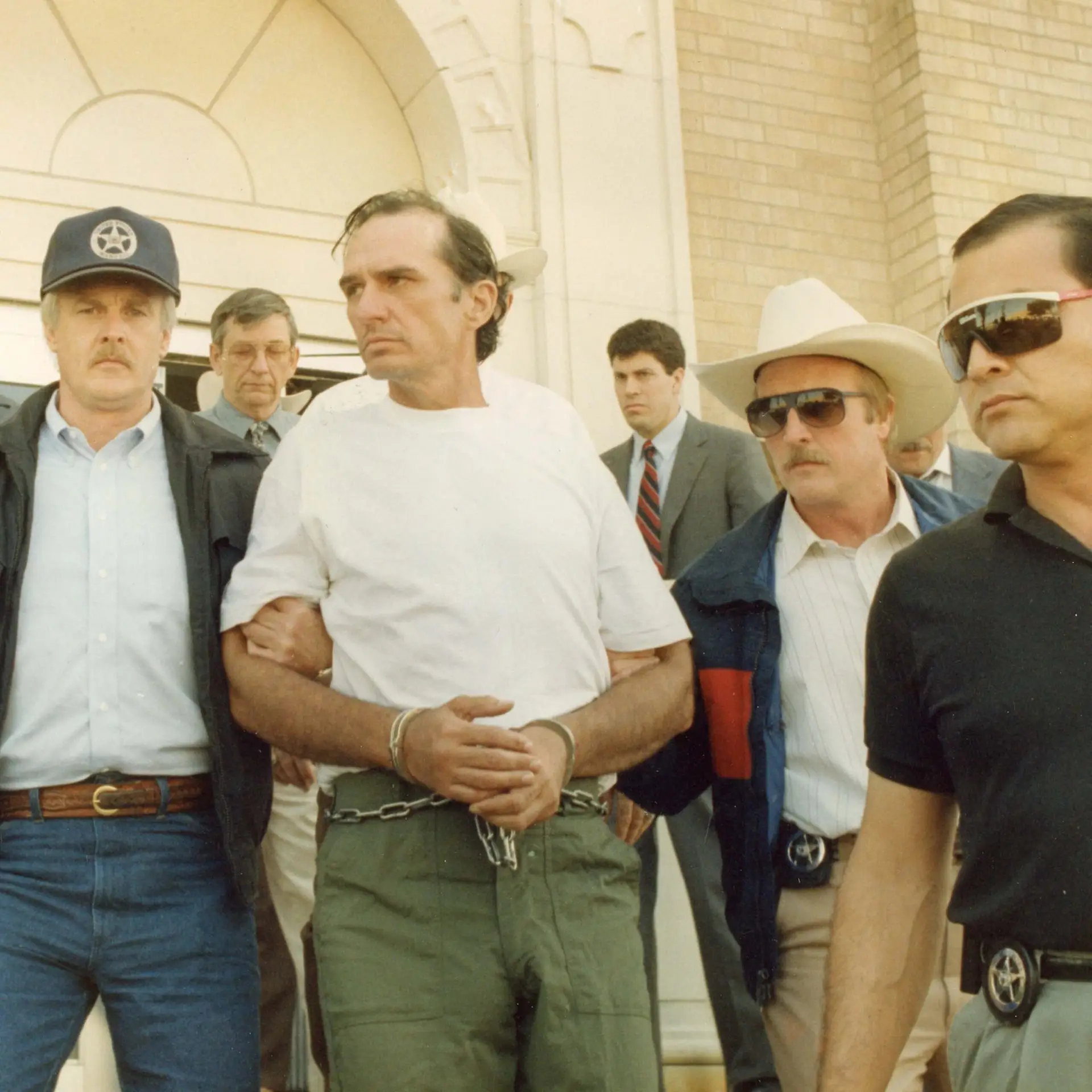
you know. Well, there had been a tremendous, as you just described, amount of interest, you know, in the crime, in the disappearance of the, you know, Colleen Reid from Austin, who could have been anyone's best friend or sister, or it could have been me. You know that that was the that was the way I think so many people felt hearing about that crime, and there was a huge level of interest in in seeing justice in this instance. And so you know that's what we were prepared to cover, and you try. Disassociate obviously from the individual that you're covering, because that's the job of a reporter to be objective and and start each day with that that perspective. And I remember, and just to be quite honest, I was struck by how tall he was. I was struck by his size. This you know man who just kind of lumbered across the street, and I think you know the way I would describe it. He was someone who moved with no grace.
Bill Johnston
Never thought about that. That's right,
Robert Riggs
either.
Rebecca Rodriguez
And it was just you know one foot in front of the other, and just almost too too large to manage his own movements, but obviously, to use his hands as weapons was not an issue for him.
Bill Johnston
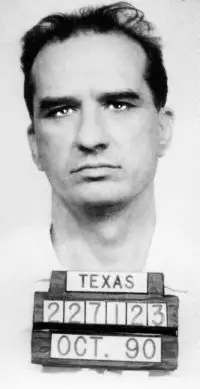
I've thought of him as an animal, and the best sort of a human animal. His eyes-we talk about that in a minute. Your perception of him-I've, you know, been within a couple of feet of him many times, and his eyes were dead, were dead, and his physical appearance. I never thought of it until you said that he almost like he's a machine moving forward, as opposed to someone with some grace or some intent. But there's there was something missing, a spark of humanity missing in him. How did he behave in court, and then how did that? When when the details of the confession came out, how did you absorb that?
Rebecca Rodriguez
You know, watching him walk across the street. Of course, as a reporter, you know, we're forced, we're put in that position to to engage, you know, and and you want to talk to the individual, and so you you are looking for that bit of humanity with which to engage. You're trying to make eye contact. You're you're trying to you know get someone's attention to ask a question. You're right, Bill. He he did not have that sense of someone who you know had any curiosity about the world, about him, wanted to know anything about this or that. I mean, he was motivated by something that was really unknowable.
Bill Johnston
My goodness!
Robert Riggs
So, and you were out there too when he would be brought to the court in in in Houston. We would roll video, and I would often be asked asked questions just to see if he'd say anything. Would he
Bill Johnston
respond?
Robert Riggs
No, no, not really. Just a kind of a sneer at you and stuff. And we'd do the same when he would come out. But the thing that struck me, and I was as close to him as I'm here to you, Bill. About you know two feet, three feet was amazing. How close we could could get. There was nothing in the eyes; they were just this this. They were. I described his eyes like a shark, and I remember the marshals and all like, "Well, you got that right. There was just you know, if his eyes are a window on the soul, I didn't see anything. Never saw anything.
Rebecca Rodriguez
No, there was never any reaction, you know, to the crowd. It was almost a circus-like, you know, atmosphere because there was attention. There was attention from several, certainly all the stations in Houston. There was there all the stations from Austin. There were network correspondents there as well. Dallas had sent, you know, reporters, and so there was there was a circus atmosphere in terms of what the media can generate in and of its its its own energy, you know. Crossing the street every morning, you know, photographers backpedaling to try to get the shots, and he just kind of would glance around, making his way through it, and people would shout out questions. And I remember him mumbling, but I don't. I don't remember really anything that we could use ever. You know, there was never any quote unquote sound, or there were no quotes that I think that we could ever discern.
Robert Riggs
I do remember I got one reaction from him, and it was after he got the death penalty, and they're bringing him out. And Melissa Northup's brother had positioned himself there, he just wanted to see, just wanted to take a look at him, and I was pretty much there alone. I don't know what had happened, but I think everybody was was in there talking to families, and he's coming, he's right on me, and I go, "Well, Kenneth, and I did it kind of with a, you know, attitude. I said, "Well, Kenneth, what now? And he pauses, and he turned and looked me right in the eye, right in the eye, and he just kind of get this snarling, sneering, and he goes, "Well, I guess I'm gonna die, but you know we all have to sometime. And I really read that at the moment, is that? But I'm the one who always controls the moment of death. That's what I did on my victims in court. You know what's unusual about this case is that he had an accomplice, and so we really get a spectator's view. And although he also participates. Of what a sadistic sexual serial killer actually does, we really never had that before in a case. I, you know, I knew one of the FBI profilers. We had never had that. What they do, you knew the
Bill Johnston
result, but you didn't know. Yeah, you knew the sort of play-by-play option of what they do. Yeah, and so we
Robert Riggs
found out it was hours of torturing his victim, you know, it was all unthinkable. It was just unthinkable. It wasn't just raping them in every manner conceivable. It was torture, and he he really got excited from their fear and their suffering. That's what you know. But when you heard that confession in court, Red, what what went through your mind?
Rebecca Rodriguez
What went through my mind was the fact that that information was becoming public information, and whether his victim's family was in the room or outside the courtroom, it was out there, and they were going to be tortured again. He had another tier of victims. These were people who had already suffered immeasurably. They had lost Melissa. They had lost the daughter, the mother, you know, the wife. They had lost everything in that, and then to have to be subjected to the knowledge of of how the torture occurred, whether they heard it in the moment, or later, or sometime down the road, I thought was was just a level of cruelty that I had a difficult time reconciling. I don't know that I didn't feel personally. I find that kind of information offensive. I don't seek out horror movies. I don't seek out that type of literature. I don't seek out those details about things. I just I I don't enjoy hearing that type of of information. As a reporter, there was an obligation to to share it. I felt it was my responsibility to to share what was necessary to create the idea in the viewer's head of what had occurred without going into the kind of disrespectful detail that would be offensive to her friends and family that might be listening, and so that's what I felt. And again, I guess that goes hand in hand with being a little bit, you know, disassociating myself from oh, this is a person who's who's just committed multiple murders, and I'm you know three feet away. I always saw myself as a reporter with a job. I was the vehicle for the information.
Bill Johnston
It's interesting you you say that you don't seek out that sort of thing, Robert and I've had discussions not too long ago about true crime shows and how some of them get a little giggly, where they think something's cute about it, or they think something's not interesting, but well, it's almost humorous, and when you have been as close as you were to the words and the effect on the family, the effect on a jury, and similarly, when I've heard you know the accomplice confess the night he confessed, there's nothing cute or funny. There's nothing clever. It's just horror and sadness, and and you had such a hard job. I know, as did Robert in that day, because you do you want to communicate to the world this is a horrible person, and here's what we believe he's done, without giving such detail that in some fashion makes a carnival of it, and I don't know how you guys do that. You did it better then than sometimes it's done today. I think we pull the veneer completely off sometimes, and some of that's too heavy.
Rebecca Rodriguez
Yeah, no, no, no doubt. I mean, there's a constant filtering. I think whenever you are in that kind of a situation, this person was almost over the top in terms of what you would see. I think on you know on the pages of some horror novel or some film. I mean, it really was a horrific character come to life in so many ways, and you know to realize that he was walking amongst us, you know.
Robert Riggs
I think the opening and the prosecutor in Houston was like he's the monster that comes in the night on Halloween that you never imagined could exist, and I'd remember the marshals shared the confession with me right after he was captured in their office, and I thought I'd covered a lot of stuff and been in war zones, and I was speechless, sick when I left. I will say this though, it fired me up. I was like, boy, I didn't. I wasn't disassociating myself then. It was like, wow, I've got to find out, really, find out how he got out of prison
Bill Johnston
after the compass gave a confession, and it was mostly correct. We think we were at the in Belton, Texas, in the Bell County Sheriff's office. We immediately took him, the accomplice, to where he described where these things took place, and that was north of Belton, on a road that parallels Interstate 35. And we spent several hours with him, trying to get him to point out to help us in some fashion find, and we looked for her, thinking it was not going to be tough. And but we now had a spot geographically where he said these things took place for years until today. Actually, any time I go the back way to Austin or the back way to Belton, Texas, and I pass down that road, I know where that I know where it was, where where this the last moments that this guy witnessed, at least this accomplice witness took place. I look away, you know, it was where this part happened, not where she was ultimately buried, but where this part happened. This end of this torture took place apparently, or some of the last part of it, it was that it was so close to Macduff's parents' house that had she screamed, most likely the only humans that could have heard it were Macduff's parents. It was the closest house, and that has so etched me geographically that I don't like going by there, and if I do, I don't look down that way because I start, I start hearing the confession again. It's too much. It's too much for one human to think that another one has done that to someone, particularly a young lady like that.
Rebecca Rodriguez
And that's not unlike, you know. I know the convenience store where Melissa Northrop was abducted was on New Road.
Bill Johnston
New Road at Interstate 35, and
Rebecca Rodriguez
and so it's the same thing. I I see the New Road exit, and I think about Mcduff. I I see, you know, do-it-yourself car wash with open stalls like the one on Fifth in Austin, and I think about Macduff. This is all these years later.
Bill Johnston
Yes,
Rebecca Rodriguez
you know, and my connection to this crime was was so periphery in terms of of that of you know just being a reporter covering it, albeit you know intensely for a number of months really, but it was nothing compared to what the people who were touched by the crime, as family and friends, would have been. But it just speaks to the horror and the depravity that we are aware of. And you know, for 30 years, tried to figure out
Bill Johnston
was there a good in this? I don't know.
Robert Riggs
Let's come back in a moment and talk about this. Let's pause. We're talking with veteran television reporter Rebecca Rodriguez, who covered the trial of Kenneth McDuff, the capital murder trial, and also covered the disappearance of of one of his victims in Austin, Texas. You know, we were talking earlier that the victim from Austin, you know, he killed her within earshot of his parents' home, and everybody along the way here encountered Addie McDuff, his mother, known as the Pistol Packing Mama, who was like the the stereotypical mother of a serial killer. Mcduff writes you after the trial. Everybody had sent in a request to be interviewed, but he writes you. He singles you out, and then his mother contacts you. Tell us about that.
Rebecca Rodriguez
So, as as you mentioned, you know, it's kind of a matter of course as a reporter. You know, you the cursory request for an interview to get you know the perpetrator, you know, side of a story, and almost always, you know, it's ignored. A or B, you get a response from an attorney's office saying thanks, but no thanks. I don't remember any time before then or after then getting a handwritten letter from someone, and certainly not someone you know on trial for death you know potentially going to death row capital murder trial who was asking or rather explaining why they could not do an interview, but I remember being just kind of startled by the envelope when I saw it. You know it arrives in the newsroom and it's it's. Placed on my desk, and it's his handwritten manuscript and a very neat manuscript.
Robert Riggs
And he complains in it that he wanted to do the interview, but his lawyers had said no. But then, then you got a call from Addie McDuff.
Rebecca Rodriguez
So then his mother called. She called the newsroom. You know, she was going to speak on his behalf, and the funny thing was she called early in the morning, and it's you know I was working, I was anchoring weekends, and so I was going in in the afternoons, and she called in in the early morning hours of that on a Saturday, and I got a call from the newsroom saying you might want to come in. You just got a call from Addie McDuff. She wants to talk to you, and if that doesn't wake you up, I don't know what will. And I thought, okay, yeah, I'm. I'll be there. And called her. I asked if we could. First of all, I asked if I could go to Rosebud and and do the interview in person, and she declined. Didn't want to do anything on camera. But then
Bill Johnston
you had nerve, nerve and guts at the time. My goodness, yeah, because you know what? There was one of your
Robert Riggs
colleagues had gone out there, and the old man turned the Rottweilers loose on her. You remember that?
Rebecca Rodriguez
Well, she could have set me up very easily. You know, she could have said absolutely and had the dogs at the ready, but but she didn't. She, for some reason, you know, said no, thank you. But, but I'll, you can record the call, and so she did.
Robert Riggs
So I've got your script,
Rebecca Rodriguez
which I have not seen. I got a hold of your
Robert Riggs
script. I've got sources and newsrooms everywhere. But what you talk about is she firmly believes he is not the killer he's been made out to be and blames his fate on the media. But here's a quote from her: "He was a real loving kid. He was real loving. He was more loving than any of my other children. They wasn't as loving as he was, and when he was younger, he had girlfriends all the time. I don't know why you all are making such a big deal out of this. He didn't do it, but even if he did, these things happen worse than this every day, and it's no big deal. You remember that?
Rebecca Rodriguez
I remember her defense. I remember her argument that he couldn't have done it. This was just not something he was capable of doing. I didn't remember the comparison with her other kids, who I never had the pleasure of meeting.
Bill Johnston
But then she retreats and says, "But if he did do it, it's not that bad. I mean, can you imagine?
Rebecca Rodriguez
Yeah, I mean, there's a there's a disconnect. There's a disconnect with all reality. There,
Bill Johnston
we went to their house. I wrote a search warrant for the parents' house, and we went out there. And from inside the house, I didn't go in, but I was in the outside listening. And she one time loudly proclaimed, "Don't frame Junior like you did last time. That was her statement. Now the the dad don't quite know what how he mustered up some thought but he did and he said we were in the in the garage area and he said well I don't know where he is he was a fugitive at the time but if you find him you can kill him if you want to it's cost me a lot of money so the wonderful parents of Kenneth Macduff. I
Rebecca Rodriguez
mean, you have to wonder. I mean, you have to wonder. I don't think it's one or the other. I don't think it was solely his parents' fault. I don't know that it was solely something missing. I think it was the perfect storm, you know, that created the monster that he became, you know, whether it was some deficit of his own, you know, the lack of any nurturing or his environment. But I mean, you look at that person, and I don't think his siblings committed similar crimes.
Bill Johnston
They didn't.
Rebecca Rodriguez
There was just something amiss. But it was just one of those things. I mean, and I don't think it's unusual to have a family member, certainly a mother, in so many cases, tell a reporter, "Oh, that's you're wrong. This this could not have been my child. That could never happen. This is absolutely this person's been framed. And and we heard that so many times.
Bill Johnston
And this is a this is of course after he's been convicted by juries in Tarrant County many years before for the brutal murder of three teenagers in Fort Worth, Texas. So this isn't our first defense of him, and you would think maybe someone would get the idea that the facts are just so strong. Your your son may well have done this. She was in she was in his defense the entire time, even back then, of course, and in fact, the family tried to help hide evidence back then for the first three years. He did,
Robert Riggs
and Addie McDuff was on the bench in the area outside the courtroom in 1966, and to the top of her voice is talking about how she's going to get those people who brought these charges and is threatening the family. Of his victims who were sitting out there, scared him to death. The sister of one of the victims didn't come back to court. She was so frightened. Well, you we asked the question: Did any good come out of it? If you remember, there were major legislative reforms called the McDuff Laws. And do you remember how all that came about? And during Governor Ann Richards and Senator Ted Lyon leading the charge.
Rebecca Rodriguez
You know, I do absolutely. I mean, recall rectifying the loopholes and the manners in which you know allowed him to walk free the first time.
Robert Riggs
So you may recall, you know, I reported that it wasn't just loopholes; it was just out and out corruption of how he walked out. Do you remember your sense of wow or shock?
Rebecca Rodriguez
Or it was more than that. It wasn't just a wow. That's how that happened. It was. It was. I felt infuriated, and I felt a lack of trust in the criminal justice system at that point in time. I mean, if if how could there be a failure at that level to allow a lapse in justice and allow someone like a Kenneth McDuff to walk free? The
Bill Johnston
governor, you know, at the time when McDuff was in, he declared this federal judge has under a court order. You know, we have to pay fines and get in trouble if we population gets too high. The prison population must be contained at a certain number, and he told his underlings, "You turn them out, whatever it takes, 150 a day at the time it was. Turn them out, and they turned out every kind of creature that walketh, and including many people who'd been on death row. But Macduff's was unique in many respects.
Robert Riggs
Well, as you know, the first season of this podcast is about the McDuff Case, 17 episodes, and I suggest everybody go back and listen. But it's being spun into a. We're doing a television show and five part documentary that Bill and I are involved in. But it's interesting. The I just recently interviewed James Collins, who was the head of the prison Texas prison system, who is the prepared the list of all everybody been let off death row and paroled, and I only recently found out it was him that did it, and I'm the I got the list and broke the big story that you know all these guys were on there, but he says in the interview for the television show that they didn't need to drag the bottom of the barrel, as they said. They these guys should have never gotten out. There were plenty of other people.
Bill Johnston
Nobody cared, but enough people with authority didn't care. Is maybe more precise. The governor at the time was sort of a fiscal conservative. He didn't want to spend the taxpayers' money building prisons, so what happened was the taxpayers were murdered by these people, and Texas. What Robert Riggs' work in exposing this led to the largest prison construction time in in the Western world's existence, Texas prisons went from having a few to having them everywhere, all over Texas, because someone finally figured out, thanks to the one state senator and Robert's work, that this isn't worth it. I mean, you have to do whatever you can do to keep people safe. It's our highest duty, so they did.
Robert Riggs
You know, the one thing that really got me, and I was a newcomer to the Capitol. I'd been covering the White House at all. It had come to Austin for a break. Boy, that didn't work out. But so I break the story, and I'm doing all this reporting about irregularities in parole, and all of these death row former death row inmates have been paroled, and nobody lion had hearings, but no one in the system said where are they? Let's go look for them. And the unfortunate thing is, literally seven months after I'm doing that first report, he's abducting Colleen Reed now, many other women in between, but he's abducting her from blocks from the the state capital where all these hearings have taken place. And like you said, on the justice system, nobody said, "Hey, we've we've got to go find these people.
Bill Johnston
It's easier to just sort of ride the current tide is what they were doing, and they didn't want to spend money. They didn't want to create a big stir, but somewhat quietly, people were dying and disappearing, and the consequence was quiet but very bloody.
Robert Riggs
Well, as the final word, what do you think the lesson of history is for today?
Rebecca Rodriguez
The words that stick with me are too many people in authority didn't care, and I I think that's you know unfortunately something that it's a phrase that you can apply to any number of situations. I think when it comes to. Some of the issues and challenges that we we face, and I think those situations can lead to one individual acting out in a way that is incredibly damaging, murderous, and you know evil. Quite frankly,
Bill Johnston
thank you for your work back then. You and I sort of knew each other from some other cases, but thank you for your work back then. And by talking about this, I found at least that it is helpful because we look back and say, you know, maybe we did some good, but also perhaps we can raise awareness that yeah, bad things can happen if enough people don't care, and also in terms of personal safety, we need to know there are really mean people out there, and you know that's you don't want to scare people, but good grief, there are some really mean people that the only answer is to try to keep them away from us. So, but anyway, thank you for your work.
Rebecca Rodriguez
Well, likewise. I mean, it's interesting to me that all these years later, um, before McDuff, our paths had intersected for different reasons, um, and and here we are, uh, you know, looking back at at the one story that we all kind of can't seem to shake.
Robert Riggs
Well, you know, I I do realize that we also intersected sort of as McDuff is going on, we all had to take a break for the 51 day siege of the Branch Davidians. You were there.
Rebecca Rodriguez
Well, if you look at the date on that letter from McDuff, you know, because to be honest, Robert, you know, when you asked me to to pull it up, I was looking at this
Robert Riggs
February 18, 1993. It's coming,
Rebecca Rodriguez
right? Exactly. I mean, it was just days away. 10 days
Bill Johnston
later.
Rebecca Rodriguez
Yeah, and and so I remember thinking, you know, this should have been a probably bigger deal. Why didn't it stay in my psyche? Why didn't it remain? Well, that's why. I mean, that's when he wrote it. I must have received it about it four or five days later, and then the next weekend, I was in Waco, and I was in Waco for 51 days.
Bill Johnston
And nothing was the same for any of us. And he was after
Rebecca Rodriguez
that. Oh
Robert Riggs
boy, not on that one. And then you know, I had to kind of get it all back together and go back to the investigation into how he'd gotten out. And God, that consumed my life for another four years or so, and did I can't remember. Did you go to the execution? Did you report there?
Rebecca Rodriguez
I was in Seattle by that time. Okay, yeah. So no, did not.
Robert Riggs
I do want our listeners to know that Rebecca was old school. You get out and knock on doors, you know, and probably and had the tougher job of general assignment where you kind of start a day and you don't know how the day is going to end.
Rebecca Rodriguez
Absolutely, I mean that was really that was that's what I loved about it. I'll be really honest because you know most of the jobs that I had in television, most of the stations I worked for, I was a weekend anchor and three days a week I was a reporter, which meant general assignments usually at night, and it usually meant you did not know you could walk in the door at 1o'clock in the afternoon and maybe you know have a certain idea of story that you'd pitch, and by 3o'clock or four or five or nine, it'd be so totally different. But I loved it. I mean, it was it's a one of a kind experience to be honest.
Robert Riggs
I remember telling my wife, yes, I swear I will be home for the soccer game tonight for the kids, and Lubies happens.
Rebecca Rodriguez
You know,
Robert Riggs
you just never knew the Luby the Lubies. Yeah,
Rebecca Rodriguez
I was. I was there. Yes, I was there. That was the one. That was a story that you know we could. Yeah, we could spend some time talking about sort of.
Bill Johnston
That was the perhaps the first-I don't know-first mass shooting of one individual. Yes, yeah. I had friends that were at a George
Rebecca Rodriguez
Hennard.
Bill Johnston
Yeah, George Hennard. He was a physician's son. Um, I had friends that were at a conference, law enforcement conference, very close to that when it started, and they ran over there from where they were, and a friend of ours peeked around the corner and shot the guy. But had that law enforcement conference not been within very close, it would have been worse. But that also was the basis of Texas interest in concealed carry and all that stuff because people felt like, in fact the young lady whose parents you know her young lady whose parents were killed there became a member of the Texas legislature, and pushed the idea that had one citizen in there, you know, had a gun, they could have stopped it. But and that's, you know, discussed every day in a million different ways, up and down. But what a deal! Wow, you had an interesting job. You were objective. That's what I remember about you.
Rebecca Rodriguez
Well, well, thank you for that. I I appreciate that.
Robert Riggs
Well, Rebecca, thank you for objectivity and your great work and sitting down here with us today.
Rebecca Rodriguez
I enjoyed it. Thank you so much for having me.
Robert Riggs
We want to be your favorite true crime podcast, so please recommend us to your friends and leave a review wherever you listen. If you want to receive updates and bonus interviews, join our true crime community at truecrimereporter.com. If you have suggestions or know of a case that we should look into, email us at [email protected]. This podcast is a trademarked and copyrighted news organization based in Dallas, Texas. You can read more about our news [email protected]. Thanks for listening to our journey into darkness.