Robert Riggs
True crime reporter goes inside the yellow crime scene tape.
Robert Riggs
Doctor Taylor joins us from London, where he has dealt with well over 100 murder cases during his psychiatry career.
Robert Riggs
Doctor, thank you for coming on. It's great to have somebody like you that's got such in-depth knowledge.
Dr. Richard Taylor
It's great to be invited. Real pleasure. Well, let's just start for the audience. Tell us,
Robert Riggs
what is your job as a forensic psychiatrist?
Dr. Richard Taylor
Well, I guess I have a what you might call a day job, and then an expert witness job. So I work in a secure facility for men and women who have committed serious crimes who also suffer from a mental disorder. Typically, they're transferred from prison for evaluation and later treatment. We do send some back who we don't think are appropriate for treatment. And then, alongside that, I work with various aspects of special branch police in London. This is a rather unusual bit of my work, but I work with a royalty protection team because there are a lot of deluded, mostly deluded, mentally disordered individuals who send threatening communications to royal family and to politicians. And then I do expert witness work, so that's evaluations for attorneys, solicitors, lawyers, as we as we call them here, and this can be either defense or prosecution. But typically, interviewing individuals in custody pre-trial to look at issues like insanity, diminished responsibility.
Robert Riggs
Well, we all remember the the time the delusional guy got into Buckingham Palace into the Queen's bedroom. I'm fascinated you do this. What what do you find is driving these, motivating these people?
Dr. Richard Taylor
Well, this is something I don't I didn't cover in the book, But it generally speaking, you know, the cases are filtered. So correspondence officers for various royal households and also prime minister politicians, they will screen correspondence. I mean, the Queen receives 50,000 letters in an average year, and the correspondence officers normally reply, and you know, a polite reply. Her Majesty thanks you for your best wishes and wishes you well. But unfortunately, some people are writing in their own blood or making threatening comments, and so those are filtered out. And we have a team of forensic psychiatrists, psychologists, and law enforcement officers, and we screen, we evaluate the cases, and typically about 85% of them are suffering from a psychotic illness. They have delusions that they're members of a royal family, or they believe they're being threatened, or they believe that they're being targeted, and they are seeking help from the royals. A combination of motivations, but generally, it's psychotic.
Bill Johnston
How often do they act out? I would think it's quite rare, but you screen them, obviously.
Dr. Richard Taylor
Yes, roughly. I mean, a small, small proportion of our cases are what we call approaches who actually turn up. Around 3% less than 5% actually turn up. And some people turn up approach as we call it without having communicated, and so in a way they're a slightly different group. And the I mean, interestingly, the the research that underpinned this team was an international group, including a very well known forensic psychologist from San Diego, Professor Reed Malloy, who you may may be familiar with, he does a lot of work with the FBI, and he contributed to the evaluation and and setting up the team.
Bill Johnston
I think I think the the numbers that the Secret Service find are, to my knowledge, fairly similar to what you find, thankfully, so many people it seems, and this can go into our discussion about murder. So many people fantasize, ponder on, maybe even plan in their minds something, but thankfully, so few do. What is it with your expertise in psychiatry, what is it? What is that barrier? I don't know another term for it. What is that barrier that most people don't cross, but some do? Is it empathy? Is it what is it that is that impediment to acting versus pondering?
Dr. Richard Taylor
Gosh, that's a that's a really difficult question. I mean, one of the key issues in threat assessment is, you know, who who is just threatening and who is going to carry it out. I think there are, you know, we we use a rating scale called the CTAP, which has 25 items on it, and there are a combination of risk factors, for example, homicidal ideation, suicidal ideation, presence of mental disorder, and we have red flag risk factors. One is what we call last resort thinking. So somebody who says, you know, I'm at the end of my rope, or I have nothing. You know, the only place I can go to is your Majesty. I have, and I've run out of all other options. That that is associated with higher risk of approach. But this is a small part of my job. I actually only spend one day a week doing that, and the book is is about all the the homicides I've assessed, which is, as I say, for defense and prosecution, I just did a case. Literally, I was in court yesterday giving expert testimony in a in a rather tragic case where a man with a psychotic illness killed an elderly lady who had no connection with.
Robert Riggs
Well, I was interested in your book. You stated that London's metropolitan police solve around 90% of their murder cases compared to 60% here, I'm curious. What do they do? What are they doing differently there, or are your cases easier?
Dr. Richard Taylor
I think there are two things. One is, you know, you have high homicide rate principally because of the availability of firearms. So, of the I think it's about 14,000 homicides a year in the U.S. Around 10,000 are firearm related. So we we only have 30 firearm killings every year. Although I mean our population is about 1/6 of the U.S. So you know you have to compare the figures. So what one is just the increased rate in U.S. cities, and then the other is that the Metropolitan Police? They throw enormous resources at a murder case. So typically, they will be dozens of uniformed officers preserving the crime scene. They will take all the CCTV in the vicinity. I mean, it can take 12 officers, you know, several weeks to run through all the CCTV of you know shops, cafes nearby. They will use cell site analysis, so you know we have really good coverage mobile phones. And of course, if you could take the time to to run through the mo the mobile phone company records, you can see when a phone connects to the mast, and that can locate an individual. But principally, they they decide to throw huge resources, you know, dozens of offices, which you know not every city is able to fund. That one
Bill Johnston
of the big problems in we're in Texas. One of the big problems in Texas is that most of it is very rural, and the lack of expertise or experience, familiarity with homicides is substantial, and you may have an area that has a murder every six months, let's say, and the person working-I'm quoting-working the murder May have never done one, never, and so, and you have a deputy sheriff, let's say, in a small area that doesn't know the first thing about preserving a crime scene, and I think it may have to do with the vastness of the territory, but it is a shame, and many many cases are. Are ruined before they begin with that. So and and again, our numbers are such, and the firearms, as you mentioned, play such a role. But at any rate, what fundamentally, I think your book is cool because you do the thing that many people refuse to do, which is to wonder why. It's it's rather easy to categorize. Well, so and so is just mean, or they were just hateful, or they were jealous. To use a term that's easy to pick out, but why did you look into the why? Why do why is the why important?
Dr. Richard Taylor
Thank you. Well, I'm I'm obviously delighted that you read the book, and thank you for thank you for those kind comments. I I think I mean there's lots I could say in answer to that, but as a young psychiatrist, I came across a woman who had disposed of her little baby, and it was a tragic case. It was an unwanted child. She had. It's a very you know distressing story that she disposed of this baby down the garbage chute in a in a block of block of flats in a housing project, and of course, but she reported the baby as missing, and the police thought this was an abduction, and they had dozens of officers searching, and big police operation, and eventually they found the child who obviously died, and they were left for the thought that if she told the truth, they might have been able to save the baby. And of course, it was really upsetting. But I, so I had to, you know, I looked up the literature around homicide, and I found a, you know, I found some research literature which describe this the way that homicide is broken down into, you know, relationship between perpetrator and victim, location, sex, motivation, and you know, to my surprise, there was a pretty familiar pattern every year in the UK. And as I started doing my own murder cases, I saw that my cases fit into these subtypes. I talk about a public health problem. It is just it's just really remarkable how you know every year in the UK I can expect around 100 domestic violence homicides, typically men killing female partners, and that's repeated year on year, and so if you if you understand the pattern, and then each case obviously each case has to be looked at on its own merits. Each case is individual, but you know men who kill female partners. There are very common themes that you see. I mean, you mentioned jealousy. Often we get this catathymic rage. There's maybe substance abuse, previous domestic violence, and so those types of cases are, you know, it's usually a rage, a balling over in an argument. Whereas other types of homicide may be more predatory. But if you if you break down the subtypes, then often the why, you know, comes out from looking at the the typical scenarios that we see again and again.
Robert Riggs
Bill and I worked a case of a sadistic sexual serial killer named Kenneth McDuff, probably worse than Bundy. You've never heard of him, and there's a number of reasons for that, but he had a reign of terror in Texas, and he there were there was corruption associated with how he got out of prison. He had been on death row, but walk me through the the hallmarks of that kind of of killer for the our audience.
Dr. Richard Taylor
Clearly, these cases are very rare, so it's a tiny percentage of homicides in in most jurisdictions are sexually motivated, and then serial sexually motivated homicides are of course even even more rare, but they get huge attention, and these individuals typically have antisocial or the more severe end of the spectrum, psychopathic personality structures. They often have histories of abnormal development, typically experienced abuse, have early substance misuse, and often there is what you might call a pathway to sexual violence. So this may start with abnormal fantasies of sadistic sexual activities. It may then progress to paying prostitutes to act out these activities, and then that escalates to, you know, that rapes forcible forc. using force to to enact their their sexual fantasies, and then that that can escalate obviously to serious violence, and then and then homicidal violence. I mean, one one thing that's quite striking is what we call a fetish burglary. So this is where. On that pathway, typically a young man, he may be having fantasies of sexual violence, and he will break him to the to a victim's apartment and take underwear items of clothing. So when when we hear about what looks like a fetish burglary, then we and the police get get get you know very increased concern because many sex killers have a history of that in the background. I can think of some really interesting cases.
Robert Riggs
Voyeurism and these type of things would be a a signal of what might come in the future.
Dr. Richard Taylor
Absolutely, yes. I dealt with a a a man who was he was a computer software expert. I mean, I should say that not all psychopaths have abnormal development. I mean, some research has shown that some children, unfortunately, demonstrate callous unemotional traits very early on in life, and whether they become somebody with psychopathic traits with an ordinary job. They may be quite manipulative in a corporate environment, or they may go down the route to more serious violence and sexual violence. But this man was a computer expert, and he had all kinds of what we call paraphilic interests. Lots of pornography viewing. He had fetishes about cigarettes, about shoes, and then he he encouraged his wife to engage in these with him, and then he hired sex workers to to to help him carry out his practices. And he gradually escalated and started fantasizing about a homicide. And one day on the way to work, instead of going to work, he went to a hardware store. He bought like a rape murder kit, you know, duct tape, knife, gloves, boots, and he made a booking with a prostitute. Went into the room, and more or less, she turned it back to him. And without any sexual activity taking place, he more or less decapitated her with it with the knife he bought from the hardware store, so his he fantasized about the killing. It wasn't even a rape killing. It was like his sexual libidinous drive was was transformed into a wish for homicide.
Bill Johnston
Is there? I mean, this in a therapeutic query. Is there anything you can do with someone like that. In other words, can treatment help someone like that? Or, and I will tell you, my opinion is, or do they just need to be kept from the rest of us?
Dr. Richard Taylor
Well, treatment for somebody with psychopathy, we could call it. I mean, we measure it-the rating scale, the psychopathy checklist. You know, scores of elevated scores on that checklist. Typically, over 27 out of 40 would be a high score. Individuals with those traits are really hard to treat. We set up a dangerous, severe personality disorder service in the UK, and it was disbanded because half of the guys-I say guys, men typically, you know, men are perpetrating most of this violence. Half of them just refused to engage in the therapies; they just weren't weren't willing to do it. And of the ones that did engage, treatment was disappointing. So we moved that group back into prisons, and they're typically they're managed in in prison custody. And for the most serious offenses, I think in most jurisdictions we're looking at a whole life tariff. You know, we we we have whole life sentences in the UK. They're rarely used, and obviously in the US you you have those too, so yeah. The short answer is some of them. I think will will never be safe to release.
Robert Riggs
Well, back when I was doing the McDuff case, Roy Hazelwood, one of the original profilers at the FBI, I know you've cited him in your work, who was their expert on sexual homicides. He was telling me on looking at McDuff, like Robert, when you when you get the powerful urge of the of sex combined with severe violence, there's no one going back. You you're not going to bring these people back. They're permanent danger.
Dr. Richard Taylor
They are they are. You know, I'm thinking the case I did of a global homicide. This man had a history of escalating violence in his rapes, and he left prison. He was on a he had a license system. He was a registered sex offender. He took up a relationship, and his girlfriend actually called him a rapist one day, taunting him, and so he he couldn't take that, and and he committed a horrible sexual homicide, rape, and murder. And tragically, he sat there not knowing what to do with the body. And a healthcare worker came round to visit his girlfriend, and he let her in, and he same thing to her, tied her up, raped her, stabbed her through the neck with a with a bread. Knife, and he's he's got a whole life tariff. He ain't you know he ain't going anywhere. But when I interviewed him, he was clearly enjoying telling me all the details of the the offenses. Really disturbing. He clearly took. They like to relive it. The offenses. Yes, yes. I mean, I did a long interview with him, and he was given me great detail, and he said, "Doc, you're going to have to come back. I've got a lot to tell you about this. You know, so yeah, the the sadism essentially, I mean, sexual sadists and psychopaths overlap considerably. We do, you know, they are separated, but typically, if somebody is getting pleasure out of extreme sexual homicide, sorry, extreme violence that ends in homicide, sexual violence, then clearly that is very difficult one.
Robert Riggs
For our listeners, give us the quick definition, layman's terms, of a psychopath.
Dr. Richard Taylor
Right. So this is an extreme, more extreme subgroup than those with antisocial personality disorder, and this group have essentially-I mean-it's divided into factors, but they have the antisocial traits, which would typically be impulsivity, substance misuse, a parasitic lifestyle, and then they have what we call a defective affect experience. That's a bit of a mouthful, but the this is traits like callousness, lack of empathy, tendency to you know to be conning and manipulative, and so these are these are traits that enable them sometimes to get close to their victim. You know, if you're conning and manipulative, and you know, you can get close to your victim, and then maybe the antisocial side takes over.
Bill Johnston
So I have a different blend for you that has always intrigued me, and unfortunately intrigued me because I worked on a number of cases involving pastors or preachers, or take that to the extreme, cult leaders like David Koresh, Vernon Howell was his real name, and I was unfortunate to have worked on that case, the so-called Branch Davidian case, and many British citizens died in that during that time, in fact, Manchester conducted an inquest, and we had a number of homicide investigators from Manchester that came and worked with us. Yeah, but what? So, getting away from sex for a moment, Blending religion, and again, I had a rather significant significant case and investigation that involved a Baptist preacher in Central Texas who murdered his wife and preached the next day.
Speaker 1
Yes,
Bill Johnston
can you do you have any thoughts about that? The blending of a person in authority in a religious context with homicide-it's a weird, obviously a very bizarre combination. But any thoughts?
Dr. Richard Taylor
It is, yeah. Well, I think we're we're in the realm of narcissistic personality, and you know these individuals have a you know elevated sense of their self worth, and they're charismatic again. So if if they have psychopathic traits, they are very good at bringing other people along, which is obviously a necessary necessary prerequisite for a cult. And I think there's an overlap. We can see an overlap with, for example, with terrorist groups, and probably aware from the book, I I dealt with a radical hate preacher who was incredibly charming, charismatic, intelligent. You know, he was portrayed in the British press as sort of a sort of monster, really. But I met him, and you know, he was you couldn't have met a sweeter guy, but he inspired. He, there were individuals who came to his sermons outside a mosque in North London who went on to become serious terrorists, including Robert Riggs, the shoe bomber, had attended his sermons, and also we had a horrible case where two men killed an off-duty military servicemen. They were waiting for him as he was heading home from a military barracks, and again they assaulted him with a meat cleaver, almost decapitated him. And one of those guys had attended had attended the the sermons of this charismatic preacher. So I think I think charisma. If I had to pick out one word, they can get the followers to do anything. I mean, as you say, Waco, and I'm thinking of that famous Kool Aid. Yes, Jim Jones. Jim Jones. Jim Jones. Jonestown. Yeah, I mean, it's extraordinary that you can get people to do.
Bill Johnston
And Bill's had a number of cases here where cults around production of illicit methamphetamines that would even well they had a a ceremony right yeah again I I I think you're right I think a charismatic leader and then he has some other issues, so to speak, that you would categorize because you know the lack of empathy and so forth. But if I've people have asked me, you know, why would someone join this cult or that cult? Why would someone have been at the Branch Davidian compound, and stayed there. And I, this is a an answer that's not well thought out. But I have said, if you can convince someone, even to a small degree, that their eternity is tied to what this person says, then you can get him to do anything, because life, of course, is a thimbleful, and eternity is the ocean. But I don't know. But that's part of why I think people follow it once they've decided the person has some sort of godly authority in their speech.
Dr. Richard Taylor
Absolutely, and again, that overlaps with religious extremism that I've dealt with in terrorism, but also I think another factor is that is what you might call the the love bombing. So if you have a new recruit, you often they they may be a little bit you know disaffected. Their life may not be going so well. They may be isolated from family and friends, and you, you give them the love bombing. You make them feel like they're the most wonderful person in the world, and that suddenly being part of this cult is, you know, is a whole new life. And plenty of examples of that.
Bill Johnston
Robert and I interviewed a man in this studio where we're sitting, who was a had been a member many years ago of a white supremacist organization that had some very strange cataclysmic apocalyptic apocalyptic prophecies and plans that they were going to cause this great race war in the United States and so forth, but this was a inarticulate man. We interviewed him. He's a little older now, but bright enough. And they convinced him to get a briefcase bomb and walk into a homosexual church and set it off, and he walked into the church. He went in, he sat and listened to part of the sermon, and was prepared to set it off. But he looked around. What did he tell us, Robert? He looked around and saw the people. They looked. Does it look just like me? He thanked God a spark. of empathy and identification with the victims came into play, and just like that, he didn't do it.
Robert Riggs
But later, this cult was in a massive standoff-one of the first big ones-with about 300 law enforcement agents, including the FBI, the the cult was so armed to the teeth. People had said they were the best SWAT team in America. It's pretty scary stuff. But he but he has he has redeemed himself. He's written a book. He's a Christian minister now, and he preaches against this.
Dr. Richard Taylor
Right. It's good to hear that someone could turn it around. I mean, we yeah, you're reminding me of a of a well known London case, David Copeland, who who was a fringe member of white supremacist group, and he acting alone, he he left nail bombs around London, including in a in a a well known gay hub in London, in London Soho, and he he left a nail bomb, and tragically, a young woman died in that attack. She was there with her partner, but yeah, white supremacist organizations are on the rise, and in the UK, we have seen an increase in that recently.
Bill Johnston
I have a question about the rest of us for a moment. Assuming the rest of us are different than those we've been speaking of, this field genre really now in in entertainment has everyone captivated. Why do you think that we, as a society in the U.S. and in the U.K. why do we all know about Jack the Ripper? Why are we fascinated about Jack the Ripper and murderers? Why do why do we find that so fascinating? Do you suppose?
Robert Riggs
And why is it mostly women that find it so fascinating?
Dr. Richard Taylor
Yes, absolutely. I'm I'm told that you know many of my my. Are women to say true crime readers are predominantly high proportion of women. That's a really great question. I mean, I would say that it goes back. So you know, Charles Dickens era. There were pamphlets distributed about famous cases, and so it's a it's a it's a human fascination. Perhaps it's a fascination with the other. Maybe it makes us feel a bit safer in our own lives to to look at the extremes of humanity and what other people can do. And combination of fascination and maybe you know reassurance that we're not like that. I don't have a glib answer. You know, it's it's that's a I mean the explosion. Yes.
Robert Riggs
Well, it was called Penny Dreadfuls back in that era. I mean, they,
Speaker 1
right?
Robert Riggs
You know, for a penny. Yep. And they were so popular still in today, which it's now it's on TV.
Bill Johnston
That's a great description. I think that's right about fascination, but feeling safe. I think to some degree, the Native Americans have a expression they call it "counting coup. In other words, getting near something without doing it. So perhaps to say, "Wow, that that is horrible. I'm glad that's I'm I'm glad that's not me. I'm glad I wasn't the victim, but now I know a little more about it, and I see maybe even how to stay away from it. Robert and I are just determined in our work to have some to not just talk about gore, which is what so many frankly do, but to learn from it, to learn how to be more observant, not paranoid, of course, but to so that people in in situations can think through maybe a little bit how a criminal would think, and to not be vulnerable, to not put yourself at risk. We had a homicide investigator with us a few weeks ago that went through those ideas: how to not become a victim, but perhaps, like you said, feel safe by reading it in a book in your safe home. But yet, you see what can happen. I don't know. That's that's a. I think that's as good an answer that you gave, as I've heard, and from what your lengthy career studies here, is there any advice you can offer up to people?
Dr. Richard Taylor
Gosh, that's that's a good point. Well, I did say something about that in the book, like in relationships, try and avoid controlling narcissistic, you know, vengeful partners. I talk about yeah, spotting the warning signs in, for example, harassment, stalking. So, you know, around half of harassment cases are what we call rejected format intimates. And so, if you dump someone and they start phoning you, sending you unwanted gifts, you know, pleading with you. If that runs for a couple of weeks, maybe as long as four weeks, that's not so bad. If that continues beyond four weeks, the research shows that that's likely to run for six months or more. And if they enter your property or assault you, then that's a big warning sign that this could escalate to a homicide. Even in a you know a professional person, those with a again narcissistic personality, they can't cope with rejection. They long, they long for reunite. You know, they long to get. They want to get their love back, but they're angry. Combination of the two. So I think in relationships, think about harassment. Obviously, I mean, predatory sexual homicides, abductions are incredibly rare. I mean, we had one in the UK recently, but obviously, fairly you know standard precautions about being out at night, isolated areas, but you know those events are really rare. I think, I think awareness of relationship violence risk issues is a big one for me.
Robert Riggs
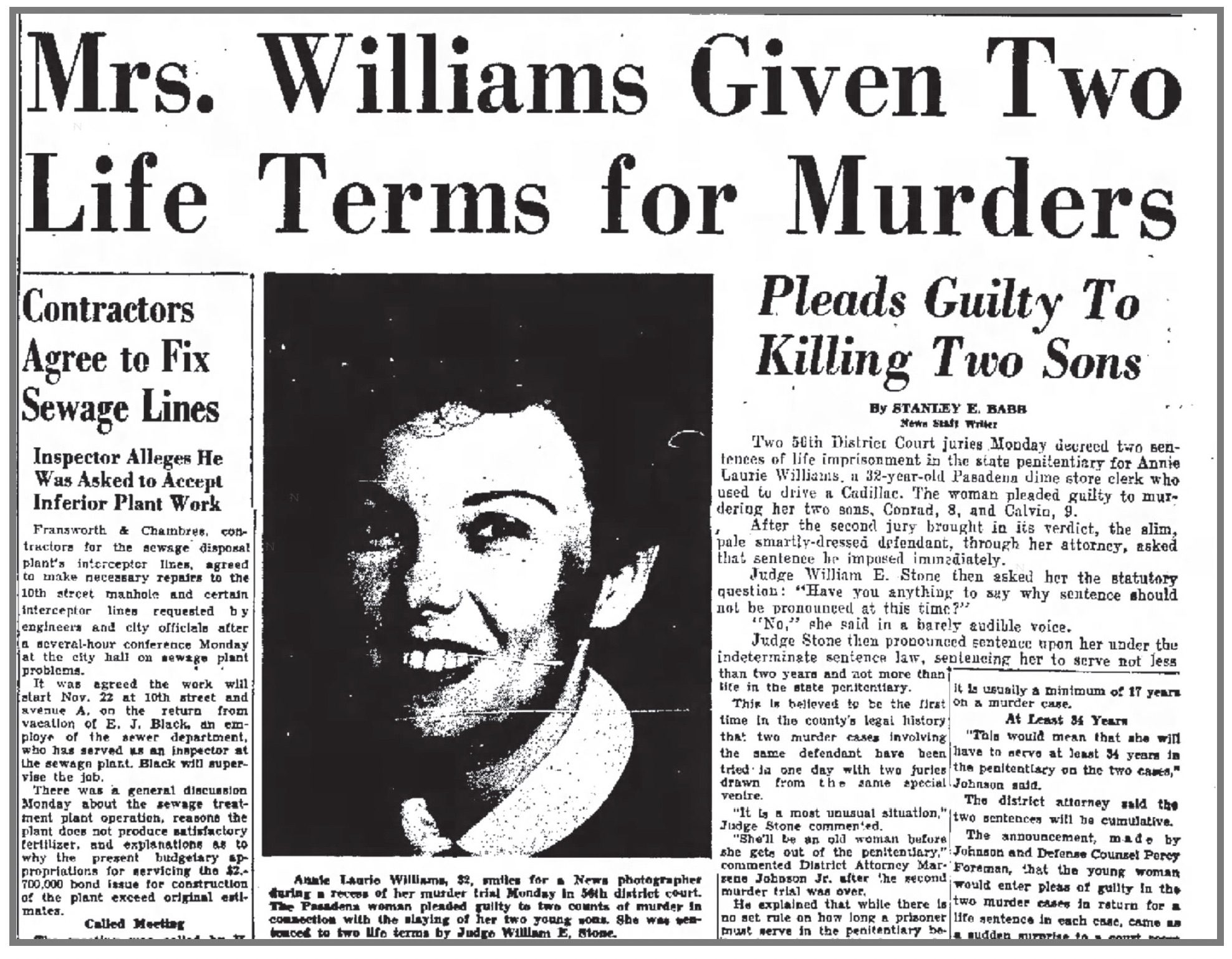
Well, we've done a story about a woman who, and it was this was a sensational case back in the 1950s that murdered her eight and nine year old sons and then dismembered them to hide their body parts. Very narcissistic, detached when she confessed about them, and then lo and behold, they let her out on parole. Talk to us about the women who murder their children, because we do see a lot of that, and we see all different kind of categories of it. Can you walk us through?
Dr. Richard Taylor
I can indeed. Can I just ask a question about that case? I mean, was there any issue with her partner? Was there, you know, was there something like a?
Robert Riggs
Yes. So her partner. We'll just go back in time. Her partner. It was in the Air Force, World War Two. She worked in a bomber plant. Later, he goes AWL right as the war is ending, absent without leave. Eventually, FBI agents find him, and it was really that was a serious crime back then. And she gets in a gunfight, gun battle with the FBI agents. Somehow, they don't arrest her; they take him back to prison. He had already had earlier criminal problems, and then they knock around and they end up in Texas, and he gets picked up for a four-year-old trafficking in stolen cars across state lines and is sent to the federal penitentiary. So while he's in the penitentiary, she does this. She claims that he's been writing letters, and he blames her for the problems. And that's what she claims in her confession. She also claimed that she gave the boys sleeping pills, which was not true. She had actually had bludgeoned them to death, but the dismember of them of them in a bathtub. Well, first, first she tried to dissolve them with lye and lyme, and it didn't work. But you know, in her confession, you know, she's talking about she really got tired trying to cut their bodies up, and so she went and had a glass of buttermilk and laid down and turned on the radio and just rested, you know, and went to sleep for the and then took up sleeping pill.
Dr. Richard Taylor
Wow, well that's really interesting. He he was the father of the children, I presume. That right? Yes. Yes. Right. Yeah. Okay.
Robert Riggs
She also said that she had planned to also kill herself and commit suicide at the same time, but then later she said, "I didn't go through with my own because it would have been disgraceful.
Dr. Richard Taylor
What a case! I mean, that I'm glad I asked you that question because you know, in my well, there is a well-established typology that's been written about by Phil Resnick, forensic psychiatrist in the U.S. and another author in in the U.K. but we can divide these types of killings. And what we've been talking about, I think, is a very extreme variant of what we call the Medea syndrome. This is where it comes from a classical Greek story about a woman who was rejected by her by her high standing partner Jason, and she killed the two babies basically as revenge for the loss in social status. So there can be revenge on the children because of a separation, or it can be any any issue with a relationship between the the mother and a significant other, whether it's the father, or maybe a new man comes on the scene that doesn't really want the kids. Or again, I'm I'm wondering about your case and whether in some way she was perhaps there was a there was an element of revenge against you know her her partner who was in prison who'd let her down so much, but obviously dismemberment is is very unusual. So Medea syndrome, revenge killings, issues with the mother and their partner. Then we have obviously psychotic infanticides, tragically women who develop a postpartum psychosis, and I, I've seen quite a few of these cases, and you know, one woman who believed that her child was Satan, the Antichrist, and you know, dismembered the child. For her, the child was a demon, and those are the awful cases. And then we have, I mean, mercy killings of severely disabled children. We had a middle-class stable woman who had two very severely disabled boys, and it was a constant round-the-clock operation dealing with all the medical problems, and she eventually smothered them. We have the killings to eliminate an unwanted child. These are typically very young babies, what we call a neonatal side, where the child may be killed within a few hours of birth. And then, of course, those parents who are already committing physical abuse and neglect on their child, and that can escalate from injury, repeated non-accidental injury, all the way to, all the way to to homicide. I describe a couple of those cases in my book. So there is a, again, a recognizable typology, and tragically these cases do recur year on year.
Bill Johnston
You know what I again like about your the way you think about this is you don't. You know, people want to organize things. We can look at a cloud, and we want to see it as a creek. You know, we we want to want to bring order to things, even something as terrible as murder. So you're you're quite willing to categorize, which we need to do. But yet, you also see, it seems to me, the unique individuality in any given case, and how while it may be a part of a category, it stands alone in some respects. Is that is that right? Seems like the way you see it, it's wonderful, actually, in in terms of what we see sometimes.
Dr. Richard Taylor
Absolutely, each case is different. We can make a formulation. You know what? What were the the antecedents to this? What happened in the life of this perpetrator? What was their relation to the victim? What was going on between the two of them as it gets closer to to the offense? What were the short term factors? Whether it was an argument rage or whether it was planned, was there substance misuse involved? What's the crime scene show us? The post-defense behavior. So every case is is individual. But I mean, I I I just did a case, and the jury is out, so I won't give away any details. Although we have quite strict, you know, juries that kind of sequestered from. Well, there's there's a suppression of press reporting, but this was in broad terms a a man had gone up to an elderly person in the community and had committed a random killing with, and I as soon as I got the referral, I you know in my mind this was in my mind, this was a psychotic homicide, and I shouldn't say anymore because, as I say, the jury's out. But sub judice. But you know, sometimes I, you know, I get a referral in, and and just from the basic scenario, you you got an idea. I mean, another example would be men who kill their mothers, you know. If I get a case of we call it matricide, then amongst those who kill their mothers, there is a sixfold increase in serious mental illness psychosis. So you know, each case is different, but you get a sense from some of the features of the case of how they might broadly fit into these these categories.
Robert Riggs
In the two cases we've talked about, the woman who killed her children, and then Kenneth McDuff, the serial killer, you know, both were sentenced to life by juries. Actually, Mcduff first time, but he was sentenced to execution in the electric chair, and then his sentence was commuted to life, and the death penalty was struck down. But in the United States, decisions are made to release inmates, convicts, violent or not, by parole boards. They're typically appointed politically by a governor. It's a political appointment. There are really no requirements that you're a forensic psychiatrist or have any experience, and they kind of just, you know, kind of do it on a hunch and a feeling, and so thus we end up with a lot of bad, violent people being let out and recommitting crimes. Is there a is there a better approach?
Dr. Richard Taylor
Yes, I mean no approach is perfect, and the key thing is that risk assessment of repeat violence is notoriously difficult. You know, our prediction is is is not is not as accurate as we would like. I mean, in the UK, a parole board has is chaired by a judge who will have experience, obviously, of criminal cases, and there is a either forensic psychologist or forensic psychiatrist on the panel, and a layperson, typically a social worker, and at least you know you have they have professional experience, and also there will usually be reports prepared for the board. Typically, again, forensic psychiatry, psychology reports and risk assessments. So this will involve you know detailed review of the case file, rating scales like psychopathic checklist, and an attempt at risk assessment. So I think that's potentially a better way. But things go wrong. We had a famous case here where an independent forensic psychologist said that a man who was a multiple rapist taxi driver. He denied his offenses, and she she gave did a report saying, "Well, the research shows that it doesn't matter if you deny your offense or not; it doesn't affect risk. And the decision was made to release, and it caused an absolute outcry because some of his victims had not had their cases heard in court. You know there was a like a sample of cases tried, and that you know the furor over that case led to the resignation of the chief of the parole board of the UK. So it gets political, of course, but I think it helps to have professional people with experience in the field. But you can't you can't avoid. There's always going to be a political element to the release of a high profile,
Bill Johnston
and that's I think we're missing here the forensic psychiatry. It it should be done. It should be we should have a risk assessment. Each state is different, of course. So we have 50 or 51, including the District of Columbia, 51 different standards just in state courts. It's just not consistent. Would you take another question from far and left field, as we say?
Dr. Richard Taylor
Happy to. Okay, here it comes. So I was,
Bill Johnston
I was, I took some solace for many years, thinking that at least it's just the humans, as far as we know, that could murder with some premeditation, and the animal kingdom does it to eat or to, you know, to have seniority over a pack, and then I saw a program about a a group of chimpanzees who plotted the murder of a female chimpanzee who, for different reasons, just didn't fit in. And and you know, again, I'm getting this off of a documentary, and it may not be accurate, but I wonder from that how deeply sown the chance to kill may be-killing for just sort of the sake of killing to some degree. That's a weird question, but I had to ask you because I love your opinions on things. What do you think about that? When you
Dr. Richard Taylor
start, when you started asking that question, I knew you were heading for chimpanzees because
Bill Johnston
at least it wasn't barracuda or something.
Dr. Richard Taylor
No, it is recognized. In fact, in when I was when I was training as a psychiatrist doing my board exam, one of the questions about was about you know true or false multiple choice question and and one of the one of the items was do chimpanzees are chimpanzees known to hunt and kill other members of the group, and at the time I didn't know it and I answered that question wrong and then I discovered as the facts that you've just described. Well, how about this for a theory? You know, humans are social animals, and obviously our primate ancestors. I mean, the chimpanzees are a different branch of the family, but you know, they're probably one of the closest to us, along with the gorillas. We're an intensely social animal, and you can see that the way a baby interacts with the child within the you know with the parents, the mother in the first few weeks of life, you know, fixing gaze, engaging facial expressions, and you know once you have social group, then of course, you have rivalries, you have relationships, coupling, and that can give rise to conflict. And then, of course, once there's conflict, you may have aggression, and then that can escalate to to violence. And with a developed, you know, the primate being being the primate brain being so much more developed, the mammalian brain, then you have the ability to plan and consider and and and to make a rational judgment. I mean, that's an off the cuff theory. But should that make us feel
Bill Johnston
should that make us feel better or worse about ourselves, or or is it not related?
Dr. Richard Taylor
Well, I mean, maybe it makes us feel a little bit better because you know the aggression is you know it it it is a trait of human social life and we can do all sorts of things to try and ameliorate it, try and look at development of children and try and avoid young people developing into violent adults. But it is you know it is a eternal feature of human society, as you said, 400,000 plus homicides a year, best estimate. And you know that there are things you could do to reduce it. But if it if it's if it's a fundamental part of human experience, then you know at least at least we can understand it a bit more, and maybe that makes us feel a little bit better about how it happened.
Robert Riggs
You know, one of the questions we always get, particularly about the serial killers, and Bill and I have looked them eye to eye, is that is it nature or nurture? Because I've got to tell you, in the case of McDuff, his mother, who was known as the Pistol Packing Mama, wow, that was the meanest lady we have ever met in our life, and you have to wonder if the if the apple didn't drop far from the tree.
Dr. Richard Taylor
Yes, well, I got a chapter on treatment, and I address these issues in some detail because you know if we understand what the cause of someone going to commit. Homicide, then maybe we can intervene and stop this. I'm going to go with mostly nurture. If you look at, for example, domestic violence homicides, gang-related violence, typically these again mostly young men have poor relationships with parents. They have delegated parents. They're passed around foster homes, group homes. They get involved in substance misuse early. Their, you know, their education's broken up. However, there is a small group, like I said, of callous, unemotional children, and this appears to be more heritable. So, a very small group of people who go on to become psychopaths are born with these traits, but again, you know what shapes them. If they're in a happy family home, maybe they go on to become a corporate raider, run a Ponzi scheme. But if they have abusive parents, disrupted childhood, then then you're looking at the makings of someone who could become a psychopath and head on to become a serial killer. So, for serial killers, you're probably looking at both. But for the average murderer, I would go with nurture. Yes, we do. There, there are abnormalities in the function of the amygdala, and I mean, interestingly, the interestingly, there's been research also on facial recognition. You know, recognition of facial expressions that are that are disordered in in those with psychopathy. Famously, there's one study where psychopath is being presented with a face of somebody showing fear, and he couldn't identify the emotion, and he said, "Well, I'm not sure how you describe that, but that's what somebody looks like just before I stab them. So impaired facial recognition and yes, amygdala in terms of regulating aggression and so forth.
Robert Riggs
And I take it that the psychopath, particularly the serial killer, they don't know fear. They don't feel fear themselves.
Dr. Richard Taylor
No, typically not, or certainly reduced, you know, reduced response to fearful situations. So, typically, again, in in childhood, these callous, unemotional children, they they will not fear violence from other kids, but they may get pleasure in in perpetrating violence on others around them.
Robert Riggs
So, kind of in wrapping up here, I am curious: what was there about forensic psychiatry in this that you you pursued it, that you find it interesting? You get up and do it every day.
Dr. Richard Taylor
Wow! I mean, I would say at the end of the day, the interface between a medical discipline and all the research and the clinical work that goes with that, and the legal system is just too interesting to pass up. Again, I talk about my story in my book, but as a young emergency room resident, we had all kinds of weird cases coming in. There was one man who came in; he he'd hammered a nail into his head, a six-inch builder's nail right through the middle of his brain, and of course the surgeons wanted to know how do we get this out safely? We're going to have to you know cut his skull open. He survived, and I was curious. Well, why would you do that? You know, of course the surgery is crucial. Take my hat off to people who go into surgical career, but I want to know why. Why would you do this? And of course, he was suffering from a psychosis, delusions about people controlling his brain, and he was having a first onset psychosis. And I moved into psychiatry, and as I say, I came across my first homicide case really early on, and it resonated with a story from my family, which is something I explore, and that I think that took me down the forensic route, trying to understand these extremes of human behavior.
Speaker 1
What what you do, and what we at least endeavor to do, but what you clearly do is you
Bill Johnston
Don't bring the reader into gore or terror or horror. They can observe that, but you bring them the chance for understanding. And again, in this whole genre, this day we live in where this true crime phase is underway, where people are so interested in it. If a viewer or reader or listener can gain an understanding to be a better person themselves, of course, to be more aware of those around them, those they may deal with. Now you're doing something, and I think that's what you've done. And I mean, just can't tell you how much we appreciate you sharing with us your thoughts today. But just excellent, thank you.
Dr. Richard Taylor
Well, I'm so pleased to be invited. I, as I say, I've started listening to your podcast. I'm going to work my way through the episode. Really, really pleased to be invited, and thank you for your kind comments about my book.
Robert Riggs
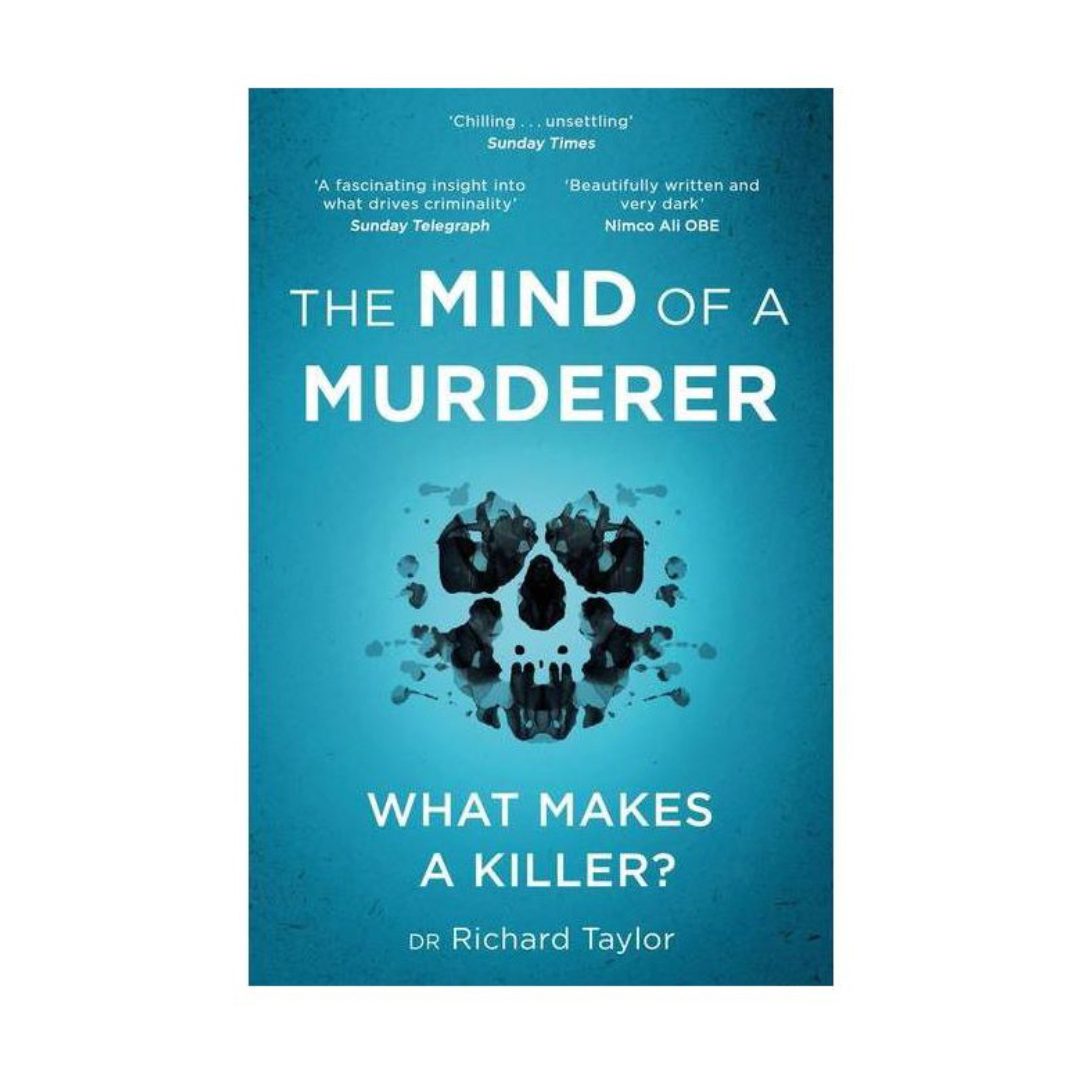
Well, thank the book again for our listeners is *The Mind of a Murderer* by Dr. Richard Taylor, available on Amazon and any anywhere on online. It is an excellent book for it's based in science and your experience. So, we want to thank you for joining us on this episode of True Crime Reporter Confidential, and we hope to have you back.
Dr. Richard Taylor
Thank you so much. I'd be very happy to.
Robert Riggs
Thank you. We want to be your favorite true crime podcast, so please recommend us to your friends and leave a review wherever you listen. If you want to receive updates and bonus interviews, join our true crime community at truecrimereporter.com. If you have suggestions or know of a case that we should look into, email us at fan at truecrimereporter.com. This podcast is a trademarked and copyrighted news organization based in Dallas, Texas. You can read more about our news team at TruecrimeReporter.com. Thanks for listening to our journey into darkness.