Robert Riggs:
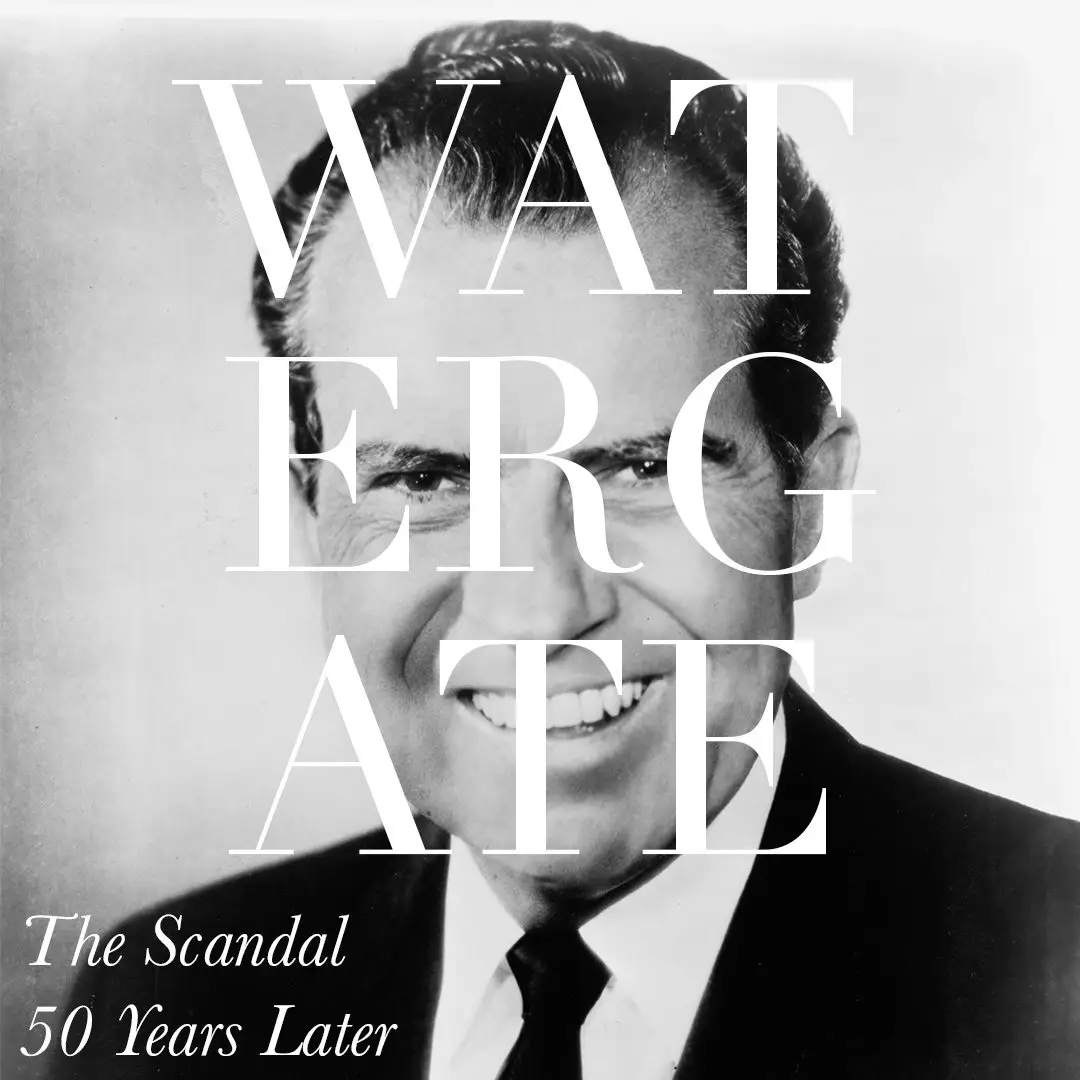
Hello, I'm Robert Riggs. We appreciate you, the fans of our true crime podcast. Many of you have asked how I became an investigative reporter. After all, most of the stories you hear on this podcast came out of my reporter's notebook. It's a career path that zigged and zagged from when I received a degree in architecture and construction from Texas A&M University, and upon graduation, headed off to Capitol Hill. In this episode, my co-host, former prosecutor Bill Johnston, takes me back to the Watergate scandal of 50 years ago. Bill has never heard some of these stories, and in later episodes, I am going to interview him about his high-profile criminal cases, but right now I'm going to share a muckraking tale of bribery and international intrigue. Here's my conversation with Bill.
Bill Johnston:
Now, Robert, so here you are from Texas. Family's been in Texas a long time. You go to Texas A and M. You seek one of the more technical, difficult degrees, which is architecture. How do you end up then on Capitol Hill? What happened?
Robert Riggs:
Well, I got the political bug at A and M. I was elected student government, student senator, and of course, these were the Vietnam era, people marching in the streets, kids marching in the streets, and you know, A and M was still a basically a military institution. I followed my uncle there, my namesake, who had got called up to World War II his junior year, and so there were a large group of us that were about change through the system, not in the streets, right? And so I got a job with Congressman Wright Patman, who was from the First District of East Texas,
Bill Johnston:
Texas. That's a legendary Wright Patman. Maybe have an Air Force base nafed after him. Something. I think I think Wright Patman is one of the more legend. Other than Sam Rayburn, probably one of the most legend. And they were friends. Okay, most legendary congressman. How did you score a job with him?
Robert Riggs:
Yeah, I scored it through political connections. I'd worked around campaigns and stuff, and the his campaign manager for Lamar County, Paris, Texas, where I was from, was a long time family friend, and it just started with a conversation and me expressing interest that I'd like to come to work for him. He was a very, very interesting man. He had been shaped by the times. He covered a swath of northeast Texas, and it was a rural agricultural community. And now, when I went to work for mr. Patman after graduating May 1972, he had been elected in 1929.
Bill Johnston:
Oh my!
Robert Riggs:
Yeah, you think he'd been there a long time? You know, it was the seniority system too. You outlive everybody, you get all the choice committee positions. But he had seen everything, and what I really liked about him, and in growing up, and they used to say that he probably had touched everybody's lives one time or the other in the district. Maybe you didn't get your social security check. You had a problem with the veterans' benefits. He was known for constituent service, taking care of business, but because of what he had seen in the depression and the farmers in that district, and why he'd run for office was that he was suspicious of big concentrated economic power because the farmers in that district, you know, the loans from the bankers were usurious interest rates, ridiculous interest rates, and then the railroads had a monopoly, and the railroads overcharged for taking their their crops to market, so at the end of the day, these poor farmers, you know, worked hard, and they didn't have much money to show for it. It was all being raked off by these financial interests.
Bill Johnston:
You know, that sounds maybe to our younger listeners like ancient history, power in the hands of a few, and the congressman wants to do something about it. But that's that's today, yes, and it's often claimed now that the Silicon Valley interests and others they're in that position. So I guess history has come back around about 100 years later,
Robert Riggs:
and I would say the power is way way bigger and more concentrated and potentially more more abusive. So I I land a job on Capitol Hill. I had to sell my car for a one-way airplane ticket, so I knew I better succeed at this. And I got a room in a boarding house on East Capitol Street. And if you step into the middle of the street, you can see that big glistening Capitol Dome.
Bill Johnston:
Wow! And what was going on at the time that the congressman either had to or wanted to be involved in, as far as the scene?
Robert Riggs:
Well, he was because he was a senior member of Congress. He was chairman of four or five committees, the Senate Banking Committee, which was his love because he was all. Always concerned about interest rates and what was going on in the financial system, the Joint Economic Committee, which is a shared chairmanship, the Joint Committee on Defense Production, and then the Small Business Committee, and that was a big part. He was really big in supporting small business. We need him back today, but I still remember that first day of walking up East Capitol Street, I'm from I'm small town Texas. You know, we'd never I'd never been anywhere because Dad was a, you know, a self-employed businessman, and if he left, we didn't have any money. It was so I really had never been anywhere, and I will never forget hearing whistles, whistles coming from everywhere, and I'm thinking, what is that? As I get closer to the Capitol, they grow louder and louder, and then I get there and I realize it. Every intersection around the U.S. Capitol and the office buildings is a police officer blowing his whistle, directing traffic to keep. I'd never heard anything like that, you know. So it was a strange experience, and I've showed up at the crack of dawn, and I literally have to sit in front of the office, you know, to wait. I'm all excited.
Bill Johnston:
How did you get at that young age get responsibility in your hands? What was that? Just a product of there's just so many staff members, or was it there was so busy at the time? What was that?
Robert Riggs:
Well, him being a senior member, you know, I was at the bottom of the pyramid of a nobody. You know, nobody knew my name. Fortunately for me, he had a administrative assistant, which was really the chief of staff, who was his name was Baron Ignatius Shacklett, very intimidated man, built like a fireplug. Had been in intelligence in World War II. He'd done everything. He had been in the Truman White House, and to my good fortune, he took a liking to me, and he became my mentor and kept me out of trouble. I mean, out of a lot of trouble. But the life-changing event for me was you know I arrive in May 1972, and the Watergate burglary takes place.
Bill Johnston:
So you're there, and the chief of staff or administrator takes a liking to you. What did he need you for? What was going on at the time where he needed help?
Robert Riggs:
Well, so I've arrived with a five-year college degree in architecture, and I'm a gopher. You know, I, I'm just an errand boy in one sense. But the Watergate burglary occurred, and the, and if you remember, there were five men caught at the Watergate. Now, the Watergate was a rich condos and office building, but it was the headquarters of the Democratic National Committee. This is 1972. George McGovern is the nominee liberal, and and Nixon wins by a landslide. But there are five burglars caught bugging the offices, and and they are arrested now. Interestingly, this was the second burglary. A lot of people don't realize this. They had been in there in May and put in bugs, and the bugs weren't working. So they went back, and a security guard doing his rounds finds that they had put like duct tape over the lock in the door that they had picked to keep it from locking and shutting, and he catches them across the street, running the operation in a hotel. Our two is an ex CIA operative named E. Howard Hunt and an ex FBI agent named G. Gordon Lydian. I mean, they they become notorious, but they are caught with cash on them, a lot of cash, and mr. Patman with the banking committee starts tracing the cash. Where did all this cash from? It was $89,000 in cash, you know. Like, where has that come from? This is where I learned later as an investigative reporter, and and you know this as a prosecutor. Follow the money.
Bill Johnston:
That's right.
Robert Riggs:
You know, you know that adage. I'm sure you apply that in every case. It's always about follow the money, and so the banking investigators. And now, hey, listen, I'm a gopher. You know, I'm I'm I'm out there doing you know research and what have you. But they find there are five checks totaling $89,000 that originated from a bank in Mexico City signed by a Mexican businessman. Those checks end up at the headquarters of Pennzoil in Houston with the president of Pennzoil, who turns out to be a big fundraiser for the committee to reelect the president, which became known as Creep. The checks, as well as cash $700,000. Of it is loaded in a suitcase in Pennzoil's offices and flown to Washington D.C. where it goes to the committee to reelect the president, and a guy named Maury Stans that was the chairman of the fundraising committee, but he'd been commerce secretary. But what was really interesting is that those checks then go back to a bank account of Bernard Barker. Now Barker is one of the guys arrested, the burglars, but he had been an undercover operative in CIA-directed plots to overthrow Cuban dictator Fidel Castro, and we later learned he had become a member of what was called the White House Plumbers Unit. Now they started off, if you remember this, trying to dig up information about Daniel Ellsberg. Ellsberg was a military analyst, and he leaked what were called the Pentagon Papers.
Bill Johnston:
Pentagon Papers, which was in its day a term that everybody in the United for years, everybody in the United States knew about that. It was a turning point, significant little phrase.
Robert Riggs:
Yes, and so they were leaked to the New York Times, and it was a secret history of the Vietnam War, and it really revealed the American public had been misled. The war wasn't going well. Many they they didn't think it could be won, and what have you? So what happens is those checks and some and another check end up at that bank for him, and it's $114,000 in checks, and it's converted into cash, and that's how it ends up in his pocket during the burglary with the Watergate burglars. So as they're trying to dig, the investigators are after this. The administrative, the chief of staff, administrative assistant is looking at me to run research errands, and in you know today it's a click on the internet. In those days, I would have to go to the Library of Congress if you're wanting to find out who are these people, what have they done, is there anything ever been written about them? You're going to the Library of Congress now. So, a little background. So, in 1870, when the copyright law came about, it required all materials registered for copyright to be be deposited there, and in 1901 they started cataloging newly published books, and so they were literally had been hundreds of staff every day creating millions of three by five cards for what was called the card catalog that had information of filing system, and it was a system that was had actually been devised by Thomas Jefferson for his own books, and that whole process I learned there went back to ancient Egypt. So in the beginning they were handwritten, and later they were typed, and they were placed in literally 10s of 1000s of small drawers called catalog card drawers, and I mean there was story after story, you know, that you didn't see at the Library of Congress, where all of these 1000s of drawers were, and it was search you were searching for a needle in a haystack.
Bill Johnston:
What would the Library of Congress and those card catalogs have to do with the Watergate investigation.
Robert Riggs:
Okay, so you're trying to find out who are these people, what have they done, are their connections, and here was the other important thing: the telephone directories for every city in America were in there for years, for years, and you literally, okay, Bernard Barker, Miami. Okay, let's get the phone book from Miami, and let's start not just this year, and let's go back in past years. Where did Bernard Barker? What was his address in the phone book? What was the phone number? You know, and so it would again. It was trying to get on this trail. So maybe there's something about a company, and I need we needed these securities and exchange commissions, 10K, 8K that gives information. Today, I could have it in literally seconds. I would have to go to the headquarters of the SEC, go into their archives. Now, let me tell you something about these government archives. You know that that closing scene in Raiders of the Lost Ark where the ark has been nailed into the box. This was what these places looked like. I would walk in there and see an ocean of filing cabinets and drawers, and I'm like, "Oh my God! And I I had these moments where I went, Robert, what has happened to your life? You've gotten a five-year degree, and you're digging through, you know, all of this stuff.
Bill Johnston:
Now, did you have to have a security clearance to do this, or in those days, as a member of the staff, you probably had the clearance you needed? I assume.
Robert Riggs:
Yeah, since it was a senior member of Congress, and you walked in, I always walked in with all that. Signed by him, always walked in. That
Bill Johnston:
was your authority.
Robert Riggs:
Called ahead of time, signature of the chairman walked in. Later, I would get I would get a security clearance. But you know, all of these records, magazine articles, good lord, there were tape recordings, there was music, you name it in there. I mean, even today, I checked. There are 15,000 items arrive there every day to be cataloged. You know, it's the repository. If you go in the reading room, it's this big, ornate, beautiful place. You have no idea what is behind the scenes. Wow! So out of this come became what I call the $89,000 question. We are all asking it. All right, what's going on? Where do the $89,000 come from? And so the the chairman is sending letters from the banking committee to Maurice Stans again, the chairman of the finance committee, and all, and asking these questions. And you know, well, I don't know, and all this sort of stuff. So he sent a letter on september 11, 1972. You know, again, this starts in June, asking him to appear before the committee to answer questions, and he just outright says no. Who's the fair? He
Bill Johnston:
plead the fifth, or he just no. He just his
Robert Riggs:
attorney sent a message. We're coming. We're not. We're not coming.
Bill Johnston:
Wow. And so I
Robert Riggs:
pulled out an old document that mr. Patman, the chairman, sent back, and he said, "This is the first political espionage case in our history, and it is something that cannot be allowed to be swept under the rug. In totalitarian countries, this type of espionage and harassment of opposition political parties is commonplace, but it has no place in our system of government. So Patman then decided Realville that the only way I can get Maurice Stans and others here is to subpoena them. But the committee had to approve the committee, full committee, had to meet and vote to approve a subpoena. So on october 11, 1972, Patman has a meeting and of the committee, and he it's theater. The all the TV cameras and the press are there, but Watergate, you know, the Woodward and Bernstein are starting to make hay, and they're coming out with things, and so there, sitting at the witness table with the microphones and all, is a nameplate for Maurice stands, and the chair is empty. So that's going to be the story: the empty chair. But there was a vote on the subpoena, and there was a Democratic majority in Congress and on that committee, and I remember sitting there shocked that all the Democrats voted. Most of the Democrats voted with the Republicans against the subpoena. Now, behind the scenes, we later learn that the majority leader, excuse me, the minority leader, Gerald Ford. Now, remember, Gerald Ford is later selected by Nixon to be his vice president when Spiro Agnew states and then becomes president. But Ford was leading the opposition to the subpoenas behind the scenes.
Bill Johnston:
I mean, it's just obviously to keep the truth from coming out, or was there more to it?
Robert Riggs:
No, to keep the truth from coming out, to to not have to disclose this stuff. But what struck me, I'm sitting there, and these Democrats go the other way, and I'm I'm I'm sitting I'm sus. I'm sitting there. I'm thinking, you know what? The fix, the fix is in. Something has happened here, and what did happen? What I still suspect to this day, years later, two, three years, every one of those Democratic members that opposed that subpoena ended up getting prosecuted in federal corruption trials for bribe taking, bribes,
Bill Johnston:
gab scam, those type things. Yeah,
Robert Riggs:
yeah, they they ended up everywhere. When I saw that unfolding, I said, you know what? There was money changed hand that day. There was money, all this money that was being laundered and stuff. My suspicion was it came back, it bought their votes. So what then happens is that I began to hear that you know, of course, that's it, investigation over, close done, and I began to hear that, and this was rumor from you know other staff. I should have asked mr. Patman about it, but the chief of staff said that you know he was at a football game and Senate members were talking to him about what had happened and all. And really, and the the idea for a Watergate committee is born. And so three and a half months later, after Patman is shut down. By the way, you'll notice in the studio here, I have a framed picture from the front page of the Washington Post of that day, of mr. Patman and the story that you know they didn't. The subpoenas are voted down. Nobody appeared, and I and he wrote a note to me on the deal. I treasure it today. Still, still framed. As a reminder of the time, but three and a half months later, the Senate Watergate committees form. That's February 1973, and then May in May 73, the nationally televised hearings start. The
Bill Johnston:
that committee, the Watergate Committee, which I guess as a select committee they were created by both houses of Congress. Is that correct?
Robert Riggs:
No, it was strictly a Senate committee,
Bill Johnston:
strictly Senate
Robert Riggs:
majority and minority.
Bill Johnston:
Okay, that at some point in there, Barbara Jordan from Houston is involved, and I don't know.
Robert Riggs:
So Barbara Jordan was on the House Judiciary Committee, and as a result of the findings of the Senate Watergate Committee and the and the tapes and everything else. The House Judiciary Committee votes to impeach the president, and Barbara Jordan, African American member from Houston, gave an impassioned speech during the hearings about protecting the democracy from power and abuse.
Bill Johnston:
Well, I I remember that I was, I guess, a young teenager at that time. But I, in 1964, as a five-year-old, my family took a vacation. We went to Washington. My dad had business in the Court of Claims up there. And being a little kid and not paying attention, when we went to tour the Capitol, the elevator opened, and I walked in without waiting for everyone to come out, and I bumped into someone, just hit her right in the midsection, and the person said, "Hello, young man.
Robert Riggs:
It's exactly the way she talked. It was Barbara
Bill Johnston:
Jordan, and my father, and and she was so sweet, and she patted me on the head and went on her way. And my father later that day, told me the significance of who I'd met, and I always, when I heard her voice, my ears perked up because her she spoke with such command and such conviction, and I've always been a huge fan of Barbara Jordan and wonder why you know there's not a movie about her or something because she was a, she was a pillar of strength in a time of uncertainty.
Robert Riggs:
Yes, and you know you ran smack dab into the middle of history when you ran into her because I think in that in that hearing to vote for impeachment, she is the one that's remembered in history. I think so. What all she had to say, but so here's what happens in the Watergate investigation. They start uncovering that the who's who of American corporations have been making were making illegal payments in form of political contributions to the committee to reelect the president. This was 3M, American Airlines, Goodyear. These were all illegal payments, but they were laundering them through secret offshore accounts. And then, what started to emerge? They were doing. They were using these accounts to bribe foreign officials for business. So, at one point, the estimate was 500 U.S. companies had made questionable contributions, and let me tell you, it didn't just start with the Republicans. This had been going on in the past with the Democrats and everything. This was the dirty little secret.
Bill Johnston:
Was it the technology back then, or the lack thereof, sort of allowed a lot of this? Yeah, there was regulations. There was
Robert Riggs:
no reporting. Yes. No. No. No. As Watergate leads to the Campaign Finance Act and all, and the reporting of contributions and limits on contributions in those days. But in these days, you know, it just kind of happened in the back corridors of of money being passed around. You know, at one point there was an estimate that had been over $300 million in questionable payments. That is a whole lot of money, and so I'll divert here. The way this worked, and later, as I'm an investigator for the congressional committee, I interviewed the CEO of General Dynamics. General Dynamics was here in Dallas, Fort Worth. They built the F-16, many other things, and they also built attack submarines. And I interviewed their CEO about you know this slush fund that they had running for campaign contributions, and he says to me, he says, well, you know, I we were always strong armed for contributions by the best of them, and no one was a twist of the arm more than Lyndon Johnson, but he said Nixon's people took it to another level. He said Maurice Stans came into my office, he opened his briefcase and he plopped down on my desk this thick, thick, thick-I mean, like a foot-thick computer. Printout of our contracts for attack submarines and cost overruns in the charges we were seeking. So what had happened is the Navy kept asking for changes, and every time a change order came, the price went up, and General Dynamics was owed millions of millions of dollars, and it was stuck. The Navy wasn't paying. There was a dispute and stuff. And literally, he told me the the General Dynamics's future hung in the balance. On if they didn't get paid, they're going under. And so he said this had never happened before, where a political operative sat down in their office and pulls out their government contracts and goes down the list and tells you, you know, this amount and this amount and this amount and makes it on in no uncertain terms. We want this amount of money from you. Otherwise, you're going to have problems with the navy. Your problems with the Navy are not going away.
Bill Johnston:
This was quid pro quo in the purest sense, and a bribe or a request for a bribe in the purest sense. It's maybe no wonder that this the events you witnessed and were a part of were the events that shook people's trust in government to this day.
Robert Riggs:
Yes, and I actually felt sympathetic for that CEO. Can you imagine 1000s of employees employed in the shipyards in Virginia, employed down here, and suddenly, if you don't cough up this money, you're going to lay them off? You just imagine that. But that all came out of me. I was assigned to a company, a committee called the Joint Committee on Defense Production. Today, with the pandemic, it has been in the news. There were references to activating the Joint Committee on Defense Production Act to step up production of PPE and other things, ventilators. That was the first thing that came about. Well, so this was an act was passed in 1950 during the Korean War, and it gave the president broad power to require businesses to prioritize and accept contracts for materials and services to promote national defense, and if they had to immediately expand industrial production, and it also monitored a stockpile of strategic materials, which a lot of people weren't aware of, so we had massive stockpiles of titanium, for instance, just in case war broke out. You know, we needed to have a source of titanium. Every chromium, you name it, every kind of critical material that might be needed for manufacturing weapons was there. Now go off base a minute. I found out that it also contained millions and millions of doses of heroin and opium. What do you suppose that was for? It was stored at Fort Knox, where the gold was, and what it was for is that, in the event of nuclear war, they had estimated all these people that might survive that were suffering from burns would need painkillers.
Bill Johnston:
Wow!
Robert Riggs:
And so they actually had raw opium stock in there, and at one point during this, I got word that a mafia group, one of the mafia families, was planning to hit Fort Knox for the for for all the raw opium. You know,
Bill Johnston:
people have never heard of such things as you're speaking of today-a stockpile of of opium to make painkillers and whatever else.
Robert Riggs:
Yeah, so there was a long, kind of catalog of everything in there, and I remember being the new staffer going down it, and and actually we would have to when I first got it, we'd have to write reports about what were the current stocks, and I remember looking at all this opium, thinking, "What is this? Why is the government a drug dealer? You know, but that was it. It all made you know kind of perfect sense, and so we had this authority over defense production and contracts and everything. And so, what began to happen? Other committees from the fallout for the Watergate investigation picking up on things, and so the big thing was these slush funds and allegations of of bribery, and so I, you know, I'm 24 years old, and the my godfather Shacklett gives me carte blanche. Look, hey kid, start looking into this. Let's just see what what's there. Just go start digging, and the joint committee was a joint chairmanship. It was the chairman of the House Banking Committee and the chairman of the Senate Banking Committee, and extra members from those committees. But in in this case, the the chairman had total authority and could even write a subpoena on his signature. Which was like no other committee in Congress, and William Proxmire, who was a senator from Wisconsin, and Proxmire was all about government spending and government waste. He became the chairman, and so he really wanted to get to the bottom of this too. So, I mean, I'll give you an example of what was spilling out of other committees. There was a a committee, and another committee was having hearings about money given to overseas governments, bribery to officials, and money to other political parties. So then, a senator named Joe Biden, he asked, and it was a joke. He asked this corporate official, "How much money did you contribute to the Communist Party? And you know, everybody thinks they're going to laugh. And sort of, the official, the the the color goes out of his face, and he gets this odd expression, and he turns to his attorney, and they have this conversation, and he and he turns back and says, "Well, $88,000. Oh my! And the room went silent. You, you're covering all your bets. You are 88,000. You know, and what a what a you know this this company. If you saw their public stance, you know they're anti-communist, and here they are, you know, handing that out.
Bill Johnston:
Do you think that in the bigger picture of this, you're revealing so many things I've I've never heard. I doubt our listeners have heard about the level of and the breadth of misdealing and corruption. Do you think this had been in our government for 50 or 100 or 150 years and just not revealed, or was it more of a a problem that festered after World War II? Or
Robert Riggs:
it's a post World War Two thing, you know. We're a strongest economy in the world. We're wanting to do business overseas. What I quickly learned was that bribery was a way of life overseas. If you were an American company trying to do business overseas, you weren't going to get it, and you unless you're greasing, you're greasing palms, and so we began to focus on the Northrop Corporation. Now today it's known as Northrop Grumman, but I'm talking about the old company, the old, and I'm not talking about them today. And there was a Senate subcommittee on multinational corporations out of the Foreign Relations Committee that started looking at Northrop, and there were these stories of all this money floating around. Because again, everybody's wondering where where had all these campaign contributions come from? Where where was that? Well, well, where we found it came from is that these companies already were creating gigantic slush funds for bribery overseas. They were bribing prime ministers, procurement officials, anybody had too, to get the contract. So they were already laundering money. For example, Northrop had this Washington lawyer fixer on the payroll named Frank DeFrancis. Now he had been a consultant to the Federal Republic of Germany for 20 years, and Northrop was selling a fighter called the F-5. It a version of it became a trainer for the U.S. Air Force, but it was you know it was not a top-level plane the U.S. government wanted, but it was their bread and butter overseas, and they followed it on with other planes. But they needed to sell it, and De Frances told everybody, said, "I don't know a damn thing about an airplane except the nose and tail, but I know how to get the right people in foreign governments to make the right decisions about which airplanes to purchase, so there was all this money flowing to Francis for consulting services, and you know at this time I remember somebody testifying saying, "Look, the competition has just gotten out of control between all of us. We and the Europeans, we're in a race to arm the these newly rich nations in the Persian Gulf, oil money, arm them to the teeth, and so there were bribes being paid to sheiks in Saudi Arabia and ministers to the government. You know, for example, we sold 40 $41 million in these f5 fighters to Chile. Well, a 1 million plus sales commission was paid to an agent in Chile. Well, once you began digging, you know that part. Of that sales commission was to be spread around to get the contract. So, what we really found interesting in digging is that Northrop finally they admitted to making $150,000 in illegal contributions to the Nixon campaign. Hey, that was just that wasn't all of it, but 50,000 of that eventually goes to the Watergate burglars. This is after they're called; they're being prosecuted. It was a bribe to try to buy their silence. So you can see how this cash is going all over the place. And what I found interesting is that Northrop just adopted the model of other aerospace companies, and it looked like they had literally down a wording in their sales contracts they'd adopted from Lockheed, and Lockheed was selling a an aircraft called the Starfighter in the early '60s, and it was known as the Widowmaker because of the unreliability, they'd had 292 crashes, 116 dead pilots between 1961 and then before 1989, before there were improvements made, and this was all being driven by much. You know,
Bill Johnston:
didn't didn't matter if it worked. Just sell it,
Robert Riggs:
sell it, and it didn't matter to the government officials; they got their money. Meanwhile, you know we have pilots, we have people dying. That's the shame of all of this, and and the bribery. If the joint committee, you know, we pick up where other committees are going. What what's happening is so much fell out of the Watergate committee that really wasn't under their jurisdiction, that somebody needed to look at it, and so we also begin looking at Northrop, and we find this this lawyer in Paris named William Savvy. He had gone on the Northrop payroll in 1961, and you know the cover story was that he was a behind-the-scenes information source about the European aircraft market, but he was Northrop's one-man money laundering in Europe, so they would pay him enormous amounts of money consulting, and several times a year he'd go to a bank in Paris. He'd withdraw money in the form of American $100 bills stashed in a bank in Paris. In Paris, a Paris bank account. That's where he. That's where he'd get paid by Northrop. That's where his account was. Then he would go in and withdraw cash, sometimes 40,000 at a time. He would divide the money into four packets, and he would place each packet in a separate interior pocket of his trench coat. He had a coat made to carry this cash, and he would catch a plane, an international flight to New York.
Bill Johnston:
Sounds like a really bad spy movie. Oh
Robert Riggs:
yeah, yeah, but you know, there's no security. Nobody's checking, and he's certainly not declaring this, and he would put the four packets in a large vanilla envelope, and he'd go to a hotel and deliver it to a Northrop executive. And this was a regular routine.
Bill Johnston:
He was a bag man,
Robert Riggs:
exactly. He was the bag man. That's the term, and this is how this money came back here for these political campaigns, God knows who else got bribed along the way with the money. But listen, so here's what we found: a 13-year period, Norther paid Savvy, this Parisian lawyer who's laundering money more than 81 million dollars in consulting fees, and we never found out. We never knew how much of that got laundered and came back in the form of it. You know how much was it turned into bribes and a political slush fund. But so here's where this will kind of get your goat as the American taxpayer. This is how we were involved as we began looking at it. These consulting fees were actually put on the books as marketing, and they were written off as overhead for the production of the aircraft, which the American taxpayers were paying.
Bill Johnston:
These were part of the contract.
Robert Riggs:
Yes, sir. So, so suddenly, what we find is that this stuff is all being buried in what are called overhead cost, just like you'd buy the tires for a jet fighter. This is in the overhead cost, and the American taxpayer is actually paying all of this. It's not out of their profits and pocket. It's it's out of the taxpayer's pocket, and that was our justification. So along the way with the committee, we began to hear in conjunction with this and how they're they're using this money to pay for lavish entertainment of Pentagon officials, and that they're doing hunting and fishing and skiing outings, and that the Pentagon has got a list. They've got they've got a list. From North, they they know, but they won't turn over the list, and we're in a fight with them about turning over the list. So I hear that they did these big ski junkets in Aspen. In Aspen, this is you know again, this is 1974. Aspen was kind of a sleepy little village at the time. So I I hear that they're having these parties and flying in prostitutes at a place called the Aspen Alps, this big resort. So I put on my trench coat, you know, and get on a plane and head out to Aspen. And it was, and I I made contact ahead of time with the owner of this popular Restaurant, nightclub, hangout-great guy, you know-and I walk in to meet him, and the place is really still a village. And he pulls pulls over the side, and I notice when I walk in, everyone turns and is staring at me. So here I am, wearing a trench coat, a suit, Oxford shoes from Washington D.C. and everybody's ski bombs. Everybody's in ski jack. I could not look more out of the place, you know. And this is all I brought. And he and he looks at me and he just starts laughing. He said, "Well, that's quite a costume. He says, "You know, the moment you got off the plane, every phone in this village lit up.
Bill Johnston:
Oh my!
Robert Riggs:
Because they thought you were DEA. They went, "Oh my God! There's a guy from the DEA coming here to bus people. And so, but anyway, so actually, we got to the Aspen Alps, and I got all the guest registers for the time periods, and there they all were. It was generals and admirals, and and interestingly, it wasn't the warriors. It wasn't the the guys on the front line. It was everybody in procurement, the
Bill Johnston:
money decision makers who you need to grease the skids. Yeah, yeah.
Robert Riggs:
So you know, it was the right people, and a lot of them. Here was the other thing: Northrop, as well as the other aerospace companies, in all, they were hiring retired generals from these services who came out of procurement and other things, or perhaps other areas that were affable and you know slap you on the back, and they would do the introductions. They would make the connection. So, side story: I will never forget going into this big suite that they would use, and the this main room, and it was the it was a tiered step down, and and it was all carpeted in fur.
Bill Johnston:
Oh my!
Robert Riggs:
And the bedrooms were all carpeted in fur, and the walls were covered with fur, and there were these big mirrored ceilings and all. This is like out of penthouse or Playboy. Like wow, wow, and and fur. I mean fur, and I like
Bill Johnston:
elk hides or bear hides or oh, like mink and stuff. Oh
Robert Riggs:
yeah. Oh, I'm like, whoa! And I remember looking at the manager of the Aspen Alps. She's quite a character. And I looked at her. I went like, wow. And it was other animal furs. And I said, God, how do you clean this? And she goes, We lick it. Oh, good grief! Like a cat,
Speaker 1 43:24
like a like an animal does. And then she
Robert Riggs:
burst out laughing. But so I left there armed with you know this who's who. The other thing we got on the trail was was that we we heard about this entertainment that was going on over on the eastern shore of Maryland, at these palatial hunting lodges, and what it was, it was every every season was goose season, goose hunts. Now, this actually was a very exclusive thing because the hunts were limited, the the geese they were considered prizes. You you really had to know what you were doing and what have you, and it was it was a sought after thing. So, for instance, another thing was the masters. They would hand out tickets to the masters, which were really sought after. But this this these things out on the eastern shore, and we'd found records from 71 to 74 of them going on, and the Pentagon had a list. It was kind of messy, but they had a kind of where you a log, and we finally got it. But all it was was names, and it might have something scribbled. It might have one goose by a name or something. But the Pentagon and Northrop claimed, well, we don't really know if they they might have been. It's my invitation list. We really don't know if they made it there. And but as we started going through the list, we were finding active duty admirals, generals, colonels, all from procurement. On these list, and so I headed over to the eastern shore of Maryland, and I'd done some research, and I found out that under state law, when you had your goose plucked, there had to be a record
Bill Johnston:
now. Goose plucked, goose plucked, goose plucked. You had
Robert Riggs:
you had to there had to be a record of it for the state, and it was all about you know limits on how much game you could do. And so I found the the guide and goose plucker of the Eastern Shore of Maryland, and I found this guy out in this remote area. Let me just tell you, this is like a scene from Deliverance in the backwoods there. I mean, complete with a banjo, and they did not appreciate some city slicker from Washington D.C. coming in. So I wanted his goose plucker records. Well, you know, I'm going to have to dig around and find these things and stuff. And then he kind of vanishes, and I'm looking for him, and he passes me on a road, and they shot out my back window with a shotgun.
Bill Johnston:
Nice, and it was
Robert Riggs:
like Yankee going home to Washington, and I, you know, so I went back to Washington and reported all of this, and Shackleton went, "Okay, you're going back. We're getting a hot, fast car for you. Got somebody going with you, and I am arming you to the teeth. And so he goes in in his arms locker at his place, and he pulls out a War or Two Vintage Paratrooper M ones and everything. It's like, you know, this is not happening again. We're going out. I just want to check you out on shooting, and I'd already done it with the military. And so, with that, we went back, and so we began thinking. Look, they'd have to have a hunting license. Got to have a hunting license to go do the geese. And so, started asking around. Where did this goose plucker and guide, you know, usually go? And we found we found the place. And I walked in there. I'd already had a letter prepared by the chairman, the chairman's signature, you know, requesting the license, any records, license purchases, everything, and he was not happy to see the government in to look at his gun sale records and his gun license records, but it was all there. They were all there, and what we found is that they didn't just buy the license for them and treat them the weekend. They bought them high-end shotguns for hunting everything. Oh yeah, yeah, and so that then got to the bottom of the the great goose hunt and everybody that was getting you know taken care of and and so did somebody did a procurement official sell out you know multi million dollar contracts for a goose hunt? No, but here's what happens: you know when somebody is putting all this lavish entertainment on you, all the time. It's hard to say no. You're certainly going to get in, be the first in the door, and that's what happens with political contributions too. You know, the bigger the contribution, the more your access. It's just human nature.
Bill Johnston:
And then when you give someone a gift that they shouldn't take or a trip they shouldn't have, it also makes them beholden to you for the secrecy of it, and and the pattern of the relationship you develop, which is personal now and gifting rather than just business. And what you've described sounds like a banana republic. It sounds like what we make fun of Central and South America for, and we claim that it's all corrupt. It doesn't mean anything. It's it's all based on money. And we claim Eastern Europe has been the same way. And it makes it it's unsettling what you've told. It's unsettling.
Robert Riggs:
Well, it actually it got spooky too because we heard this story that a an auditor for Germany was in the Palmdale headquarters manufacturing plant for Northrop, and Palmdale is located just north of Los Angeles, and there's a runway there. I mean, that's where they build airplanes and test them, and so any government, including U.S. government, that is buying stuff, they have auditors on site that are supposed to be auditing, you know, cost and all. Somehow they were missing the big, the big bribes hidden as marketing fees. But the story we received is that he figured it out. He figured out the bribes were going to officials in Germany, and he called them on the phone and called their hand on it and said, "Hey, here's the deal. In order to keep quiet, I want a big promotion. I want to be the auditor over all auditors. I want this big government promotion." They were like, "Okay, we'll get back to you. A few days later, a black jet, small jet, lands, pulls up the auditor's offices on the tarmac. German agents come in, snatch him out of his office. He's put on the plane, And is never to be seen again until we get information he had been drugged up and put in an insane asylum in Germany. So be careful about who you try to shake down. That was yeah. So this was a high stakes game that could get you killed, or you know,
Bill Johnston:
did this at your age at the time, and then what you begin to learn? Did it make you immediately cynical, or did it sort of settle settle in on you over time? In other words, where you got more and more cynical, or are you just blown away by the whole thing?
Robert Riggs:
Well, it was it was eye opening, and then along the way, I I had received a top secret security clearance from the Defense Department because we were looking at contract government contracts and stuff. I had some colleagues in the office that had been with military intelligence and the Central Intelligence Agency. I think the first realization for a small town boy from East Texas was that then this is the Cold War, and when you began to see what was going on out there, just in international security and all, that the Russians and everybody else they want our stuff. The bottom line is that they want the prosperity of America, and if they can, they'll come take it. And if you don't like, I came to conclusion if you know Theodore Roosevelt, Teddy Roosevelt had it right, you know, quietly carry the big stick. That yeah, or they will come and get it, and that was the thing that struck me. There was just stuff going on all the time. The American public never knew this, but there's a war behind the scenes, taking going on all the time. But for them to try to get an advantage, and I see that that's going on today with China. We don't hear about it, but you know they're robbing the country of intellectual property. So there was that, but then the real eye opener was also the corruption. And what I found, you know, there's that. Who said it? Absolute power corrupts, and when there's not checks and balances, when stuff is not in the open, I became a big believer in the Open Records Act. That, and a believer that every every memo and every way we spend money, if it's not classified, needs to be public. It's the it's the American public's money, and the more we have the light shining on it, the less opportunity for people to be dipping in and you know taking the money. So, but here's here's kind of the sad thing about it: this the the president and the chairman of Northrop, he walked in the federal court and pleaded guilty to giving 150 grand in corporate funds to the to a Nixon fundraiser, and he could have been sentenced to five years in prison, but since he was pleading guilty to a felony, the judge slapped him on the wrist with a $5,000 fine and a $5,000 fine on the company, which also pleaded guilty. But that was peanuts because you know you heard how much money was being laundered and going, and so cynicism. I don't know. Here's here's the here's the footnote to all of this. You know, I you know when I was there, I got their goose, but hey, they came back. mr. Patman had suffered a mild stroke and decided to retire, not to run for re-election after God 50 years. And I knew the handwriting was on the wall for me because that's your godfather on the committee. That's you know you're an extension of his power and authority.
Bill Johnston:
So what did you do?
Robert Riggs:
Well, I knew it was time for me to go. My colleagues, you know, they stay in like Don Quixote. Now here, here's what's happened on all of these lists. We turn up in all of this entertainment. They begin to turn up list in its other companies as well, and it's influential staff members in Congress, and it's now leading the members of Congress. And there's a lot of them on there, from armed services, military appropriations, you name it.
Bill Johnston:
Both parties.
Robert Riggs:
Yes, both parties. And I remember saying to one of the guys, you know, I'd laugh. I was like, "Guys, you do not know what's coming at you. This, this is it's like suicide. This list. And they had hearings and stuff, but a few years later, Congress abolished the committee. They did away with the committee. The acts. There, but there's no committee to enforce the act, and there's no committee to be digging around in members' business, and this was what really led me to investigative reporting along the way. When all this was going on, I would be the guy tapped to talk to the press, to CBS News, all the networks, Wall Street Journal, New York Times, Washington Post. No one else in there. The senior people. They, they, you know, they were like, "This is hazardous to your future. You're saying your job. But I, since I worked for the chairman under the authority of the chairman, I felt secure. I had political sense. They didn't really have the political sense. I had, you know, I'd been around campaigns and everything, and so I kind of knew how to steer my way. And you know, I knew I'd come away from it. You ask cynical, I'd come away from it saying, you know, there's a lot that the American public should know. We're in a democracy, and I loved what I saw the press did, I loved it. I thought, you know, I want to go do that. I really felt that's a higher calling, and I really did feel that journalism, you know, and other people I met in that age was a calling, and it was all about us. It's this old saying: speaking power, speaking truth to power, you know, and follow the buddy, and so that's what really led me off into investigative reporting.
Bill Johnston:
You know, I'm jumping ahead many years, but I'm seeing such a parallel. Your podcast, True Crime Reporter, particularly the first few episodes, it describes your work in speaking with state senators in Texas and others in learning that justice was for sale in Texas, and again, follow the money. You know, I prosecuted the chairman of the Texas Parole Board for letting Kenneth McDuff, the serial killer, out, and again, it was the same thing. Follow the money, but you expose that by going to people that made decisions early on, and how and why Texas began releasing killers. But it's the same investigative style that you had back then. It seems like,
Robert Riggs:
yeah. And I I really feel like you know, in some sense, I was very fortunate to be trained by the best, this Baron Ignatius Shacklett, the chairman. We no one called him by his first name. Maybe a few senior members of Congress, but it was mr. Chairman or mr. Patman, always, always. And I, you know, I would walk in an office, 2425, years old with subpoenas for him to sign, and he would kind of look up over his glasses at me, look back down, start signing them, and Shacklett was always there at my side, and he would go, "Now, young man, you're not gonna get me in any kind of trouble with this, are you? And Pat would always speak up and go, "Now, mr. Chairman, you know I would never let that happen, and this young man would never kind of get off the farm and reservation, you know. And you know, I'd walk out. It. I look back now; it's pretty heady stuff. That you know what? How doing that at such a young age, and it was just a case that I was curious. You know, people have asked how do you go from architecture to journalism, but you know, there's a curiosity around design and stuff and how things work, and part of it just became the hunt, the mystery of how do we solve this, and I think you're similar to me. And I mean, how were you when you prosecuted your first murder case?
Bill Johnston:
I was 23. Yeah, same thing. And I and I learned, I was over my head, but learned quickly. But yeah, your investigative style in this, I didn't know this whole story, but your investigative style in this and the boldness with which you approached it ended up in the case in Texas many years later changing the entire Texas parole and prison system and made Texas safer. But it was very similar in many respects.
Robert Riggs:
Well, if I had not had the wisdom of Shacklett, and he, there were some other people he helped that I could have gotten in enormous trouble. You know, I remember one time he said to me, "Look, I'm going to limit you to one big question a day. You can show up over here after hours, and we'll talk. You know, but and but he but he did say to me, he said, "Look, just shut up. Practice osmosis. Did they teach you in biology what osmosis was at Texas A? I mean, just listen and pay attention to all these other senior people, and because you know you're young and you're brash and you're googly, and that can that can also you're un." Bridled, you know, that can get you into trouble. But the cynicism, you know, when I got into journalism, I saw it in infested, just infected with cynicism, because you see the, you know, the underbelly so much. And I really said to myself, I'm not going to let that happen. I'm not going to socialize with journalists. I'm not going to make journalists part of my life outside of the newsroom. I'm going to have a whole different life, different interest. I've always been interested in art and horses, and I think that helped me. You immunize me, and I'm going to tell you a lot of the way bad things happen to me in my career. I mean, people, you're when you're exposing wrongdoing, people don't like you know people don't like you. It's a tough it's tough on your family, but yeah, cynicism could easily just eat you up. But you know things come along and you see people doing good.
Bill Johnston:
That's right. Yeah, I think so too. You you realize that in the trash heap that you often feel like you're in. There are good people swimming out of it, trying to clean it up, trying to do the right thing.
Robert Riggs:
So yeah, so I remember when I was, you know, digging all into the criminal justice system, and there was a board of criminal justice of appointees, and one of the appointees reached out to me. Now she'd been brought in by Ann Richards, it was a cleanup, and she said, "Hey, I'm. I want to do this program. I want to get inmates to come out, you know, day release from prison and do homes for Habitat for Humanity. And she said, "You know, they're sitting in there. Many of them have trade skills and stuff, and they need their mind occupied and stuff. If I can get them out and start a pilot, we come to a story. I just I need someone to show the good, and so those kind of things. Those are the rewards. You you saw, you know, bank robbers and others making a difference, and they were proud of what they were doing, and they were working hard, and you know they created a home for a family. So it's it is those moments, and also you know I love the stories. I mean the mystery and stuff. And Texas, when it comes to crime, I mean this is like the epicenter of the world for crazy stories and crime, you know that from everything you've prosecuted.
Bill Johnston:
That's right. I knew the big picture of this history that you told today, but I didn't know the details. It is troubling, and I hope that we're not still engaging in some of this. I hope hope not. Hopefully, the with technology and with oversight, you know we're not. But
Robert Riggs:
so all of this did lead to the passage of the Foreign Corrupt Practices Act, and President Carter came in during that, and Carter just wanted to just drop the hammer on these this kind of corruption and stuff. And you know, unfortunately for him, his administration and history is overshadowed by the Iranian hostage situation. But here's a person, and he's in the 90s, involved with Habitat for Humanity. He did have a good heart. He was an honest man, and that's what you need in these things. You know, that's right. The at the end of the day, it's trust and integrity, your word. And I will say this: I had grown up with that. My dad had been involved with law enforcement and business, and that's just what we were all. My friends and I, we were all kind of schooling that. Look, your word and reputation-that's all you have in life.
Bill Johnston:
That's right. Thank you for relating all of that, and thank you for doing what you did, and for translating that forward into Texas criminal justice reform and the McDuff case.
Robert Riggs:
Thank you, and it's it's been a pleasure, and I'm sure glad I've met people like you and all these other investigators in law enforcement-I mean, the public-they don't these-they don't know the dedication a lot of these criminal investigators have. They're not highly paid, and the lengths they go and the empathy they have for the victims-you know-they just want to do something for that family and answer that question of who did this, and can we bring them to justice?
Bill Johnston:
That's right.
Robert Riggs:
So that's one of the reasons for this podcast is that they, you know, the police are kind of they're afraid to talk to the media, you know. And and interestingly, I found that criminal investigators for law enforcement agencies, as well as the ones that the CIA and other places, they have a lot in common with reporters. You know, they're all about digging. So it's a great pleasure to tell their stories now.
Bill Johnston:
Great, great.
Robert Riggs:
All right, we'll be back with another episode of where. What do we say? Truth is stranger than fiction. We want to be your favorite true crime podcast, so please recommend us to your friends and leave a review wherever you listen. If you want to receive updates and bonus interviews, join our true crime community at truecrimereporter.com. If you have suggestions or know of a case that we should look into, email us at fan at truecrimereporter.com. This podcast is a trademarked and copyrighted news organization based in Dallas, Texas. You can read more about our news team At TrueCrimeReporter.com. Thanks for listening to our journey into darkness.