By Robert Riggs

A Mother’s Worst Nightmare
The police didn’t converge on the scene with sirens blaring and guns drawn.
But what happened inside a Dallas apartment complex was just as devastating and just as unforgivable as a cold-blooded murder.
In 2015, a silent killer crept into the home of Ti Courtney McMullen and her two-year-old Chase and her six-month-old daughter Chastin. The culprit wasn’t a person. It was deadly carbon monoxide and an indifferent landlord.
A rusted open exhaust pipe in the boiler room next to their apartment turned it into a deadly gas chamber.
Ms. McMullen did not smell the odorless gas or see the invisible carbon monoxide spewing into her apartment.
She felt a pounding headache so fierce she thought it was the beginning of a seizure.
By the time emergency responders reached them, her children had suffered irreversible brain damage.
David and Goliath Legal War
For nine years, TiCourtney fought a David-and-Goliath legal war against the apartment complex’s owner and the Chubb insurance company.
Her story is one of a landlord’s neglect, betrayal, and tortured pursuit of justice, in which the defense tried to wear down the mother to take a small settlement.
Trapped in Silence
I met Chase and Chastin in 2021 during the seventh year of the lawsuit for a story on my True Crime Reporter® Podcast.
They sat on their knees around a glass coffee table, eating chicken nuggets and fries, eyes locked on the TV.
On the surface, they looked like any other children. Chase wore a clean blue t-shirt and denim shorts. His sister, Chastin, wore a white jumper with pink beaded cuffs that jingled softly as she moved.
But there were no words. No laughter. No singing.

When I asked them to sing Happy Birthday, they froze in silence.
Ms. McMullen sat nearby, tears held back by sheer will.
“They don’t interact with many people at all,” she told me. “They act like smaller kids. They just can’t catch on.”
A Case No One Wanted
Dallas personal injury attorney Ted Lyon stepped into the carbon monoxide brain damage case after another firm abandoned it.
Lyon’s law firm sued Red Bird Trails Apartments and Bridgeway Capital for negligence.
Red Bird Trails owned the Section 8 government-subsidized apartment complex. Bridgeway Capital managed it.
They were part of a web of companies set up by California businessmen to evade responsibility and take advantage of tax breaks, according to Lyon’s lawyers. Section 8 landlords are often described as “slumlords”.
The apartment complex’s owners claimed the children were fine. Normal. Uninjured.
But Lyon knew better.
“You look at brain-injured people, and they look normal. You can’t see it,” Lyon told me. “But these kids? Sweet as they could be. It was clear. We got every test done: brain scans, auditory tests, and visual tests. They indicated severe brain damage.”
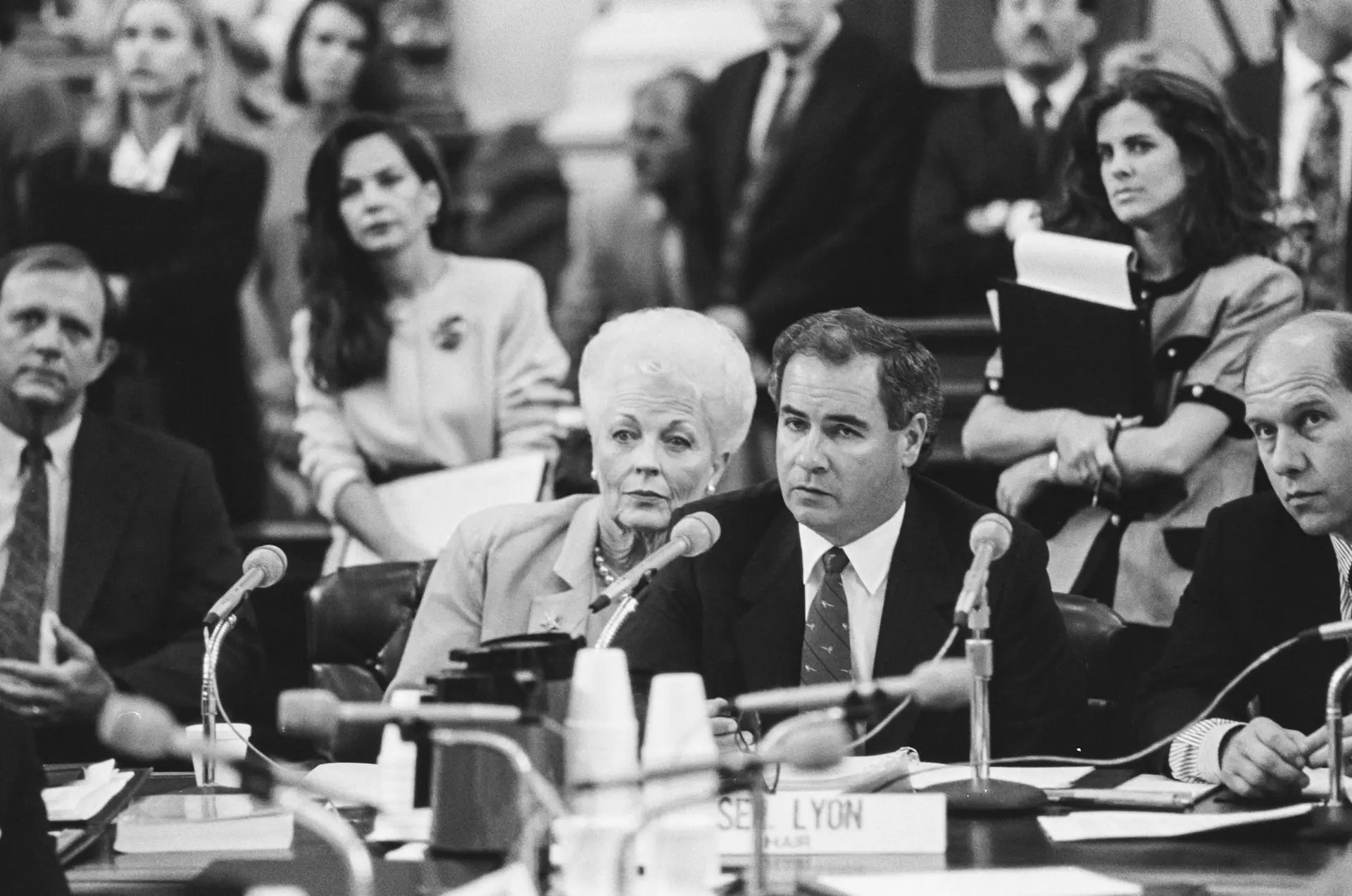
Lyon, a seasoned trial lawyer and former Texas State Senator, has tried over 200 cases. But he told me, “This one? This was the most emotionally difficult trial of my career.”
He assigned the case to one of his rising stars: Richard Mann.
When The Law Gets Personal
Richard Mann was just five years into his legal career when he got the case. Coincidentally, his own children were the same age as Chase and Chastin.
That made it personal.
“I had a comparison,” Mann said. “When I saw Chase with a glazed look and his head bobbing, I knew. My own kids were talking in full sentences. Chase and Chastin weren’t. They couldn’t.”
As his own children grew, Chase and Chastin stayed frozen in time.
The Danger Was Known. And Ignored.
The Red Bird Trails Apartments in South Dallas, where the McMullen family lived, had a known issue.
A year before the poisoning, an inspector told the apartment manager, Tena Cavasos, that the boiler’s exhaust pipe was dangerously corroded.
But Cavasos dismissed it as a cosmetic issue. “It was for aesthetics, not life safety,” she testified under oath.
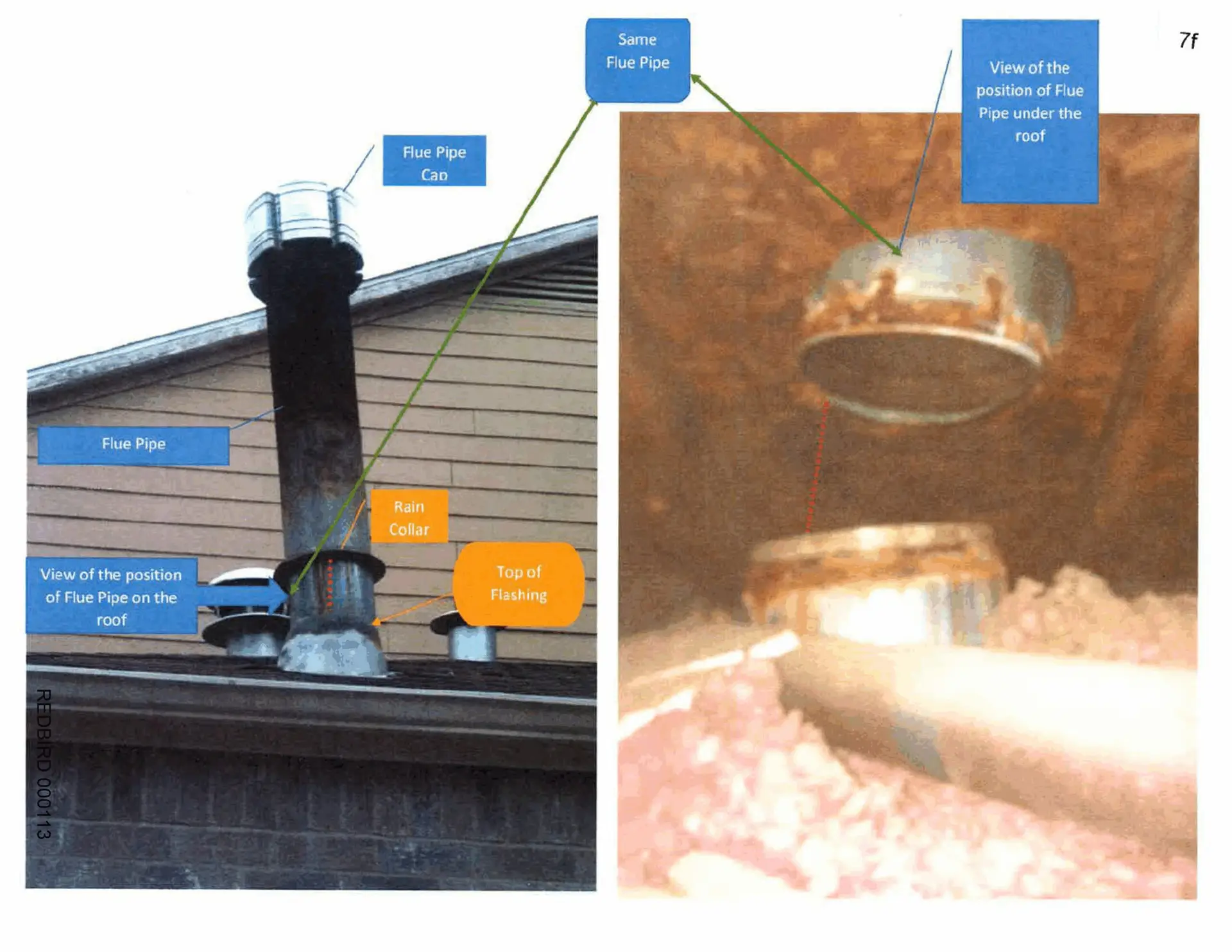
The maintenance supervisor, Fernando Delgado, fared no better. Under questioning, he claimed he didn’t know what rust looked like. Even when shown photos of the pipe—clearly rotted and broken—he insisted he couldn’t recognize a problem.
Photographic evidence showed the pipe had come apart, leaving a gap that funneled carbon monoxide directly into McMullens’ apartment.
The Science Couldn’t Be Denied
Ted Lyon’s legal team flew the children to Utah to be evaluated by Dr. Lindell Weaver, one of the nation’s top experts on carbon monoxide brain injury.
Dr. Weaver had treated over a thousand cases in his career. He told me it was “remarkable” that the children had survived at all.
But he was blunt: “They have trouble with attention, focus, reading, speaking. Everything we do in life is communication. And they’re missing that.”
Weaver explained that carbon monoxide triggers the body’s immune system to attack the brain. The damage is permanent.
Deny. Delay. Defend.
Attorney Richard Mann suspected the apartment owners were hiding insurance policies to limit liability.
He was right.
They initially disclosed only a $1 million policy.
Mann pushed. Eventually, they uncovered a $51 million umbrella policy with Chubb Insurance.
Still, Chubb resisted paying. According to Lyon, “They tried putting out small amounts of money. Not enough to take care of these kids for life.”
The defense’s strategy was clear: Deny the damage. Delay the case. Defend until the victims give up.
But TiCourtney McMullen never gave up.
A Shameless Defense
As the trial approached, the defense team reached for a despicable strategy. They suggested the children’s cognitive delays weren’t from poisoning, but from sexual abuse.
“Zero evidence. None. Not a hint,” Mann told me, his voice taut with anger. “They were trying to manipulate the jury’s emotions. And thankfully, Dallas County Judge D’Metria Benson saw through it.”
The Fight in Court
When the trial opened in the George Allen Courts Building in downtown Dallas, Lyon had one goal: to show the jury what the science revealed.
The defense brought in two highly paid expert witnesses from Houston: Dr. David Rosenfield, a neurologist, and Dr. Francisco Perez, a neuropsychologist.
Both had made tens of thousands of dollars defending companies in brain injury cases. Dr. Perez had even been nicknamed “Dr. No” for consistently siding with the NFL against concussion-injured players.
But Lyon exposed flaws in their testimony. Rosenfield claimed he had administered a “gold standard” test in a hotel room similar to the one used by police during traffic stops to detect alcohol impairment. But Rosenfeld later admitted under Lyon’s withering cross-examination that he hadn’t done it at all.
Perez, polished and smooth, fell apart under pressure when Lyon’s colleague, Marquette Wolf, revealed that the expert witness who claimed the children were fine had once been diagnosed as a psychopathic deviant.
The courtroom froze.
The jury learned that the test indicated that Perez could not be trusted to tell the truth. It turned cold on him instantly.
Carmen Mitchell, the Guardian Ad Litem, appointed by the court to represent the children’s interests, said the revelation confirmed her belief that defense experts are often paid liars.
A Moment of Faith
As closing arguments approached, Richard Mann feared the worst.
Juror number one, the foreperson, appeared unmoved. Stone-faced. Resistant.
Mann prayed. He remembered a verse from the Bible: “You have been called for such a time as this.”
He locked eyes with the foreperson during his final plea to the jury. “This is your moment,” he told her. “You have the power to change these children’s lives.”
Her expression softened.
A Verdict Nine Years in the Making
After a day and a half of deliberations, the jury returned with a verdict in August of 2024.
They awarded $51 million in damages.
Ninety percent of the blame was placed on the apartment complex and its management company.
Thirty million dollars were designated for the children’s medical care. Another eight million in punitive damages served as punishment for their negligence.
Justice had finally arrived.
A Future No Longer Lost
Today, Chase and Chastin attend a special school. They receive therapy. They have made friends on the playground.
They have started to talk to their mother. “They seem free,” TiCourtney McMullen told me with tears in her eyes. “Before, they couldn’t express anything. Now they come to me, tell me what they want, what they need.”
She once feared they’d never know what it meant to live a normal life.
“I think they’ll go to prom. I think they’ll have friends. Maybe more.”
After nine years of fear and despair, hope has finally returned.
Epilogue
In the wake of the jury’s verdict, Ted Lyon told me this was the most emotional case of his forty-nine years of practicing personal injury law.
“Those little kids got to me,” he said. “Every morning, I walked past homeless people outside that courthouse. I prayed those kids would never end up like that. Now, I know they won’t.”