By Robert Riggs
SUMMARY:
Retired Army Colonel John Antal warns that the Strait of Hormuz crisis is more than a dispute over oil and navigation. In his view, Iran’s use of drones, China’s strategic interests, and the rise of artificial intelligence point toward a new era of warfare. Antal argues that drones now occupy a decisive battlefield zone below aircraft and above ground or naval forces. He describes a future shaped by swarms, robotic systems, automated defenses, and “Bots Before Boots,” where machines move faster than human decision-making. The story examines how global commerce, U.S. military readiness, and deterrence may be tested.
Game of Drones
“War is going beyond the speed of human cognition,” retired Army Colonel John Antal told me on the True Crime Reporter® podcast.
The warning did not sound theoretical to me. During three decades in television news, I saw Iran’s shadow war at the human scale.
I covered the 1983 bombing of the Marine barracks in Beirut, which killed 241 American service members, and later, as an embedded reporter in Iraq, I watched U.S. troops suffer roadside bombs and armor-piercing explosives supplied or supported by Iranian networks.
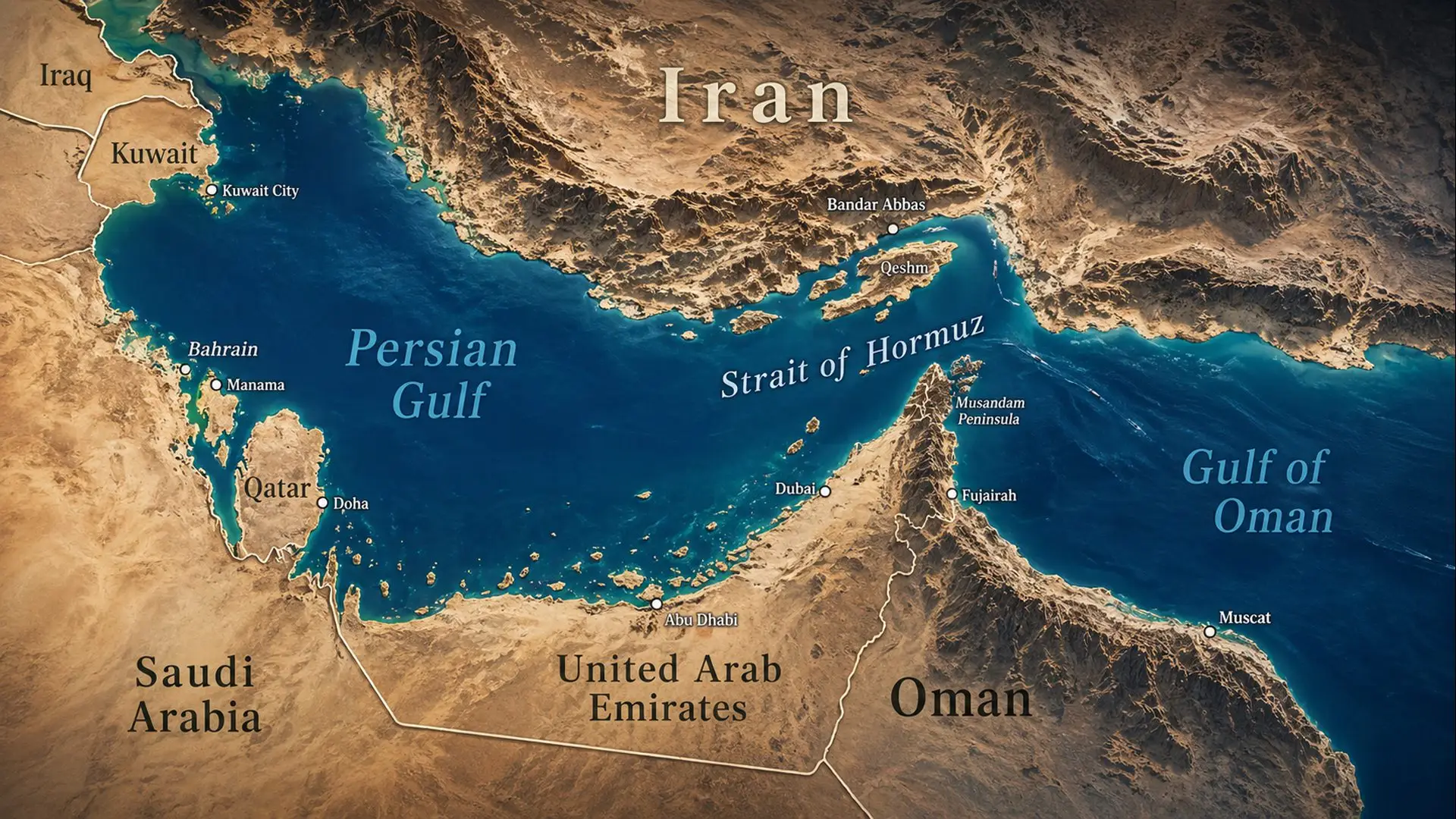
Now the focus has shifted to the Strait of Hormuz, the narrow water off Iran’s coast where energy, commerce, drones, and American power converge.
The crisis may look like a standoff over the global oil supply. But Antal sees something larger: a preview of the next era of war.
A Choke Point Under Pressure
Antal is a thirty-year Army veteran, historian, leadership expert, and best-selling author.
He told me the confrontation reaches back decades, to Pentagon planning in 1980 that considered whether Iran could block the Strait of Hormuz and threaten the free flow of oil.
At its narrowest point, the Strait is only 29 nautical miles wide, and it consists of vulnerable 2-mile-wide navigable channels for inbound and outbound shipping.
That geography gives Iran’s drones enormous leverage.
A Maritime Toll Gate
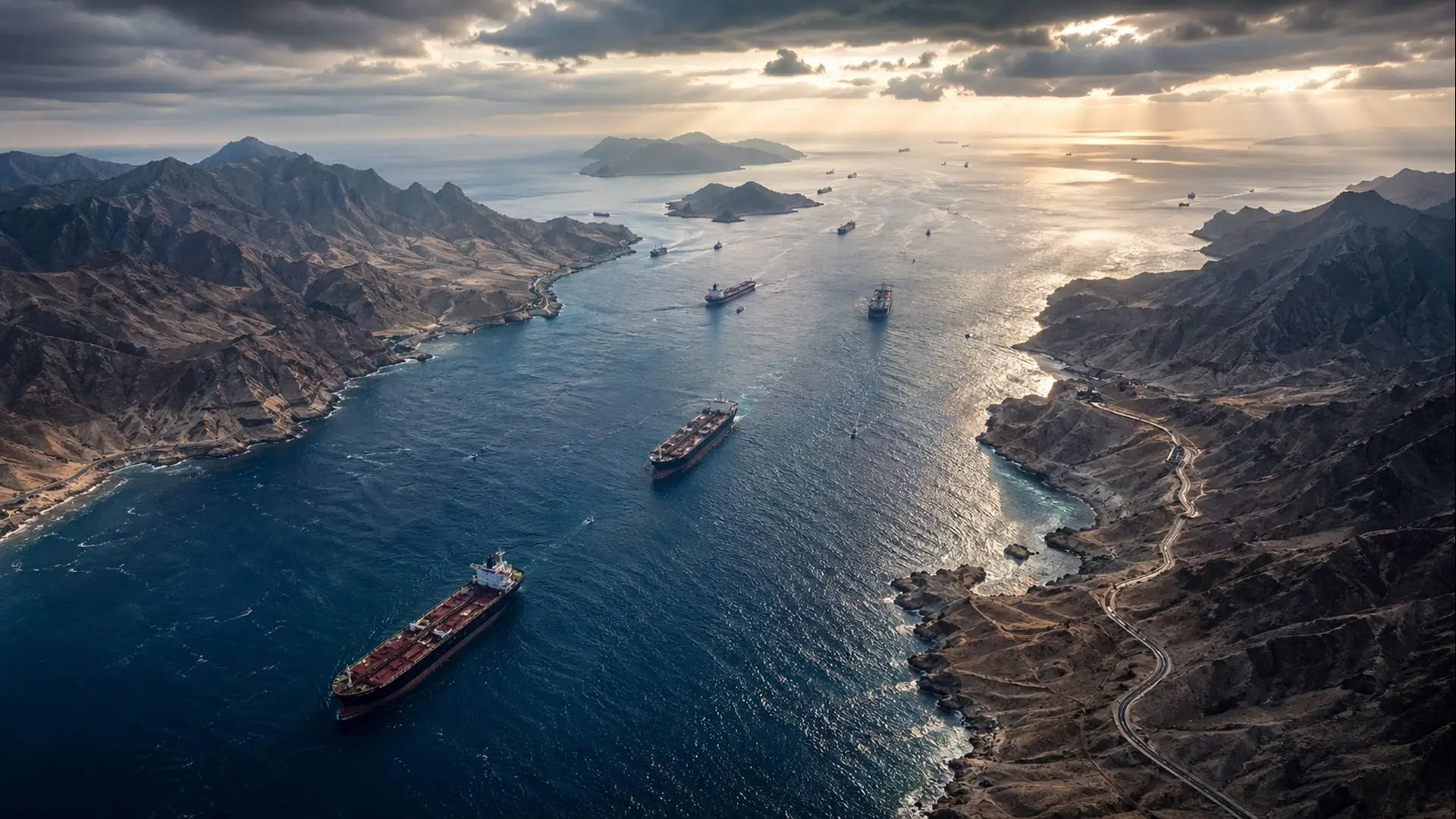
During current ceasefire negotiations, the hardline Islamic Revolutionary Guard has insisted on turning the Strait of Hormuz into a kind of maritime toll gate.
It has already charged a few tankers multi-million-dollar passage fees, similar to what the Barbary pirates once did in the Mediterranean from the 16th to the 19th century.
Antal worries that if the Iranians are allowed to extract substantial fees, then other violent regimes will follow suit at strategic choke points around the world.
He warned that the price of everything rises. “The freedom of navigation of the seas is vital.”
The China Factor
Antal described China as America’s primary adversary and said Beijing benefits if the United States becomes tied down in a conflict with Iran.
He argued that China wants America distracted, its missile stockpiles depleted, and its attention pulled away from the Pacific. In that scenario, he said, China would have more options with Taiwan.
Antal said Beijing has long been engaged in what he called a quiet, gray-zone war against the United States, stealing technology, building its military capabilities, and seeking to dislodge America as the dominant global power.
His prescription was simple and urgent: settle the Iran crisis, protect Hormuz, replenish American stockpiles, and refocus on the Pacific.
A New High Ground of War
Drone warfare became familiar to many Americans through Ukraine, but Antal said the Persian Gulf shows how deeply drones now shape modern conflict. A nation can have air superiority, even air supremacy, and still face drone superiority.
That is because drones occupy a new battlefield zone: the space above ground forces but below fast aircraft. Over land, Antal calls it the land-air littoral. Over water, he sees a sea-air and subsurface zone. That contested space, he said, is “the new high ground of war.”
Precision for Anyone
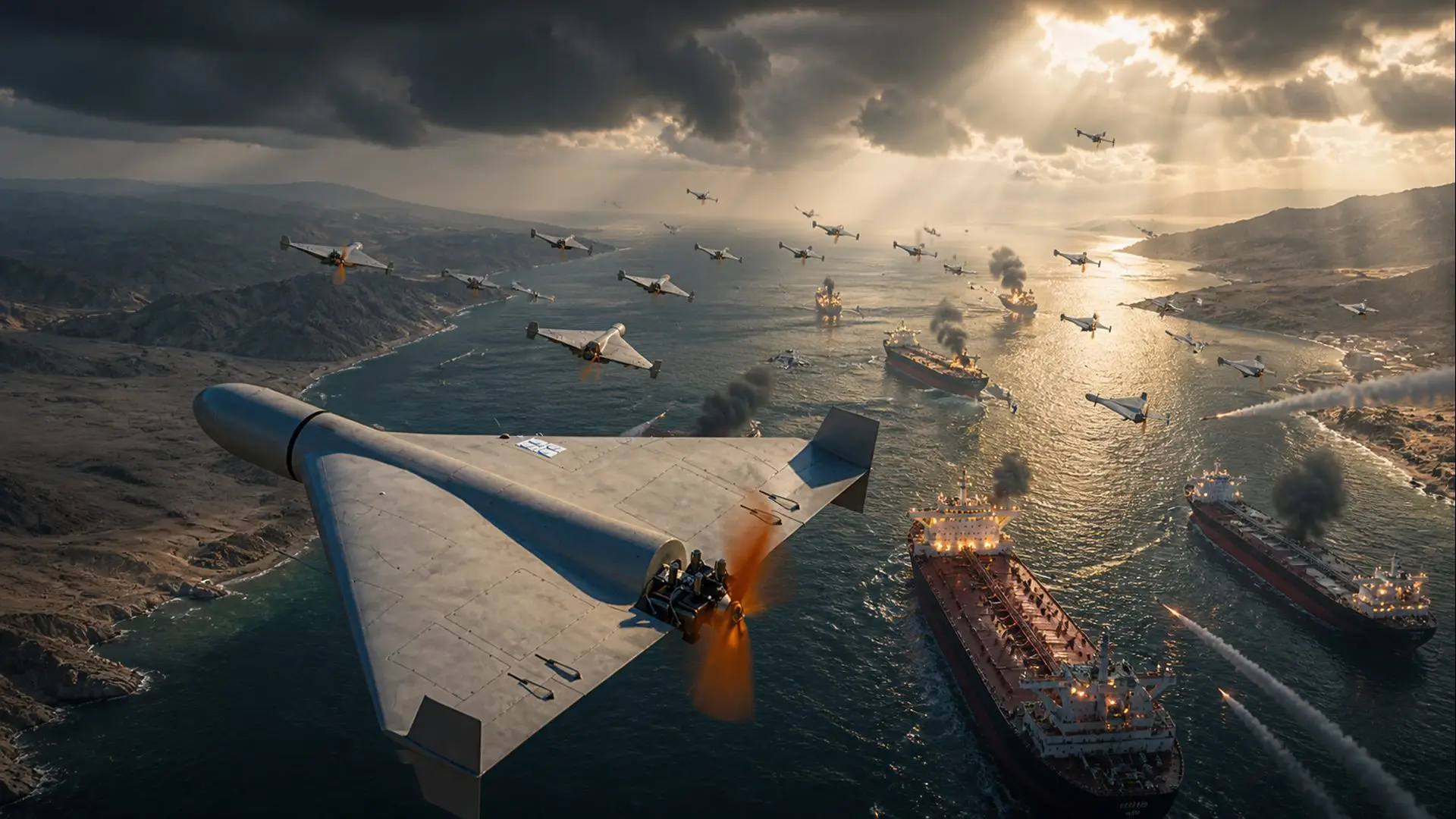
Iran has used its relatively cheap automated Shahed 136 “kamikaze” drones to strike energy infrastructure, critical facilities, and U.S. military bases across the Middle East.
“That’s precision warfare, democratized,” according to Antal.
London faced a similar terror during World War II. The Nazis launched hundreds of jet engine-powered V1 flying bombs called “buzz bombs.”
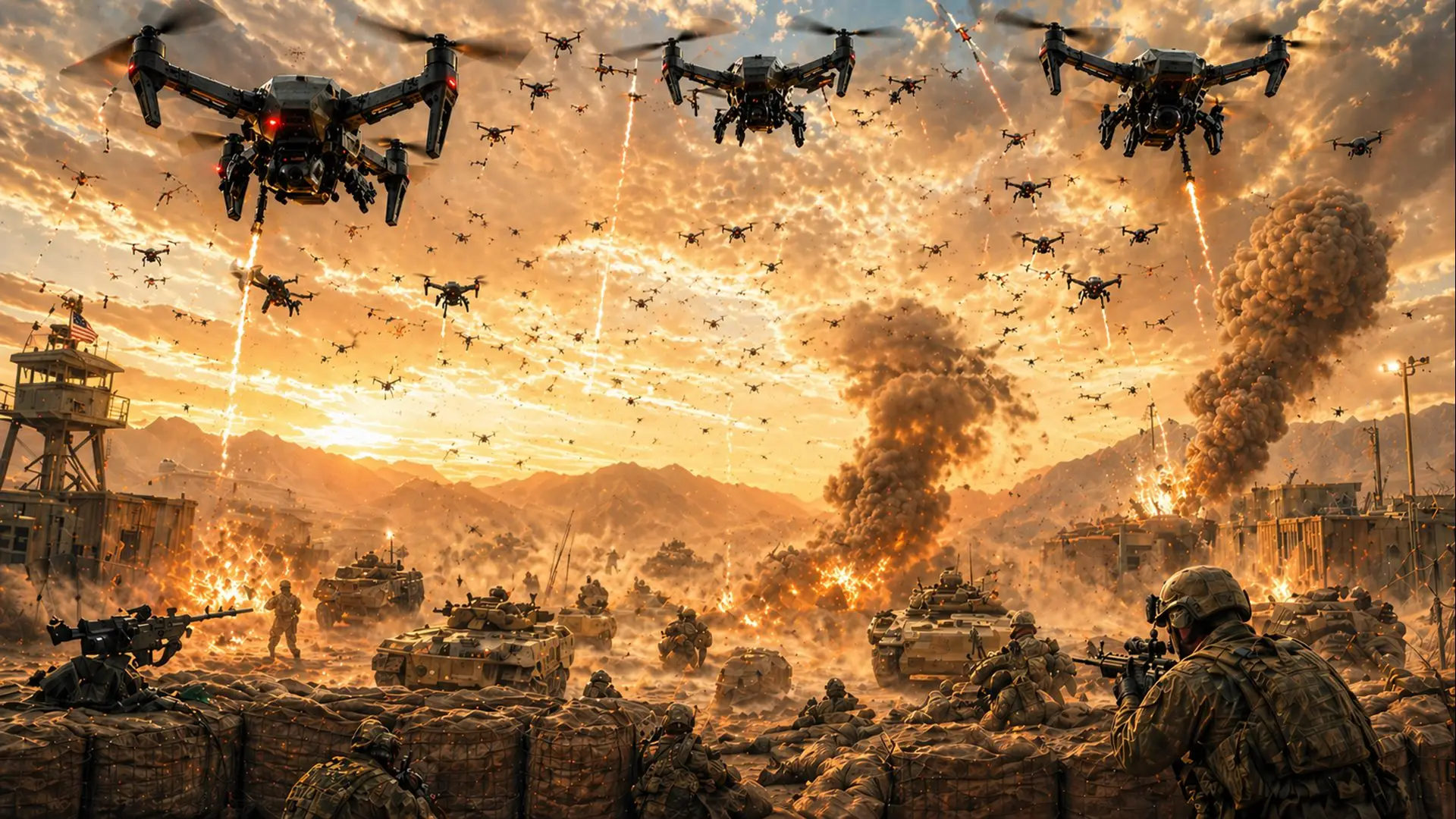
In the current battle space, drones act as bombers, dropping grenades, mines, or other munitions. Loitering munitions can remain over an area for hours while hunting a target.
Some systems stay under direct human control. Others operate with a human supervising the process or with preset targeting parameters.
“The side that controls the land-air littoral or sea-air-subsurface littoral with robotic systems wins the tactical fight,” Antal said. Jet aircraft, missiles, and satellites cannot solve the problem alone. “The decisive high ground of modern warfare now lies in the contested airspace immediately above the maneuver forces on the ground.”
Drone Swarm
I asked Antal about the opening scene in the movie Angel Has Fallen, in which hundreds of drones descend on the president, played by Morgan Freeman.
The drone swarm moved like mechanical locusts, too many to track, too fast to stop, and too coordinated for any human security detail to defeat. In a few seconds, the swarm overwhelmed and annihilated Secret Service agents.
Antal called the film dramatized, but the concept “very, very, very likely” and “very possible.” He said the world is moving toward one controller directing dozens, hundreds, or thousands of drones.
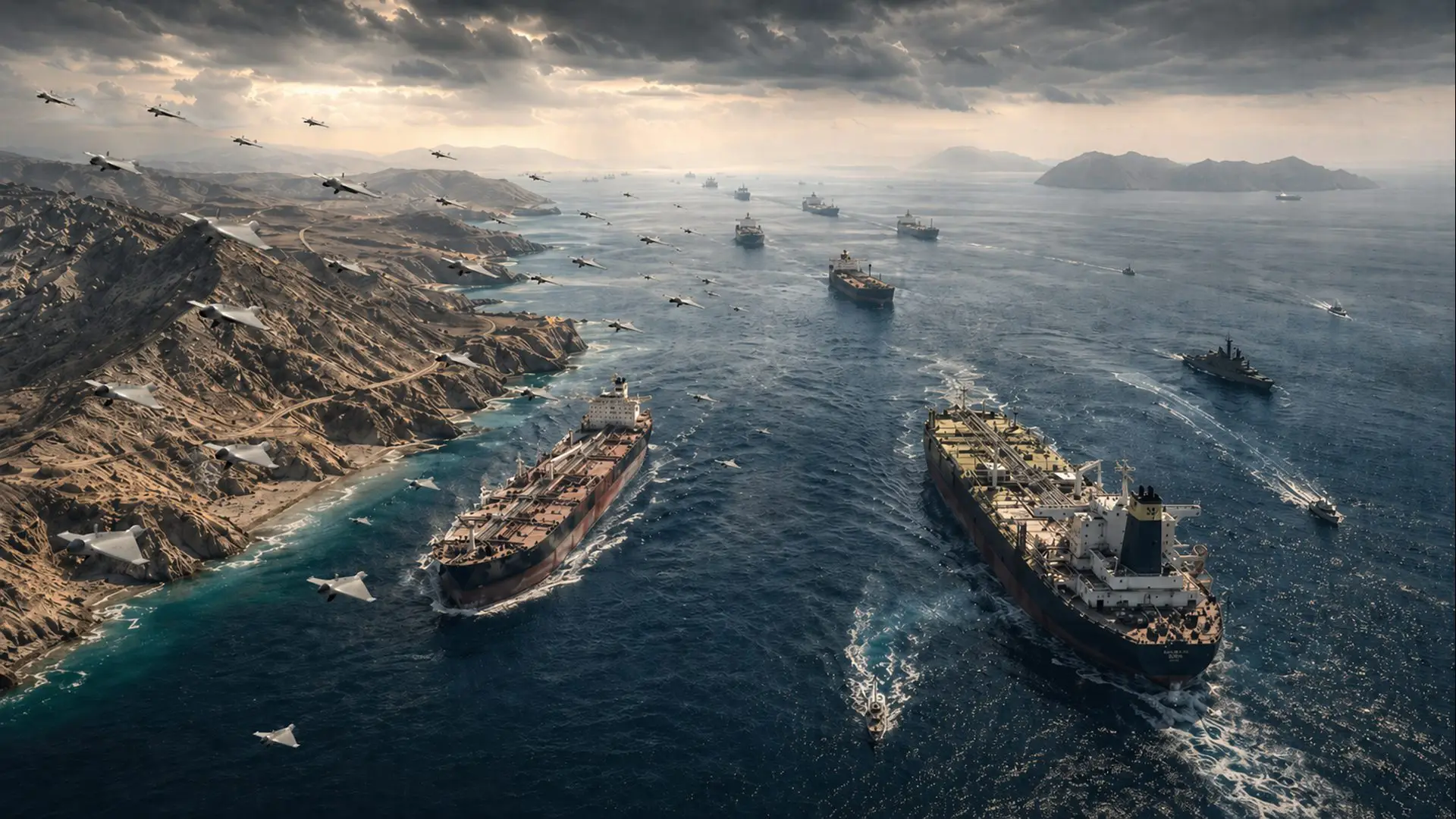
He cited a Chinese demonstration involving 7,500 drones and asked to imagine them as aircraft carrying explosives.
Antal calls the network a “kill web.” A traditional kill chain works in a linear sequence.
But with artificial intelligence linking sensors, targets, and weapons, he said, a force could strike many targets at once. He called this the non-nuclear use of “a weapon of mass precision.”
Weaponized Artificial Intelligence
The rise of AI-enabled weapons raises the question no commander can avoid: how much control can humans keep when war moves faster than people can think?
“We already have autonomous weapons,” Antal said. He cited systems such as Patriot air defense missile batteries and the shipboard Phalanx “gattling guns” which can operate automatically when incoming threats move too fast for deliberation.
Humans may command robotic systems by setting missions and parameters. But once the fight starts, Antal said, direct control may be too slow.
“You can’t control them because it happens too fast,” he told me.
Bots Before Boots
Antal foresees a future he calls “Bots Before Boots.” Infantry units will send robots first, pushing machines into danger before soldiers cross the line of fire.
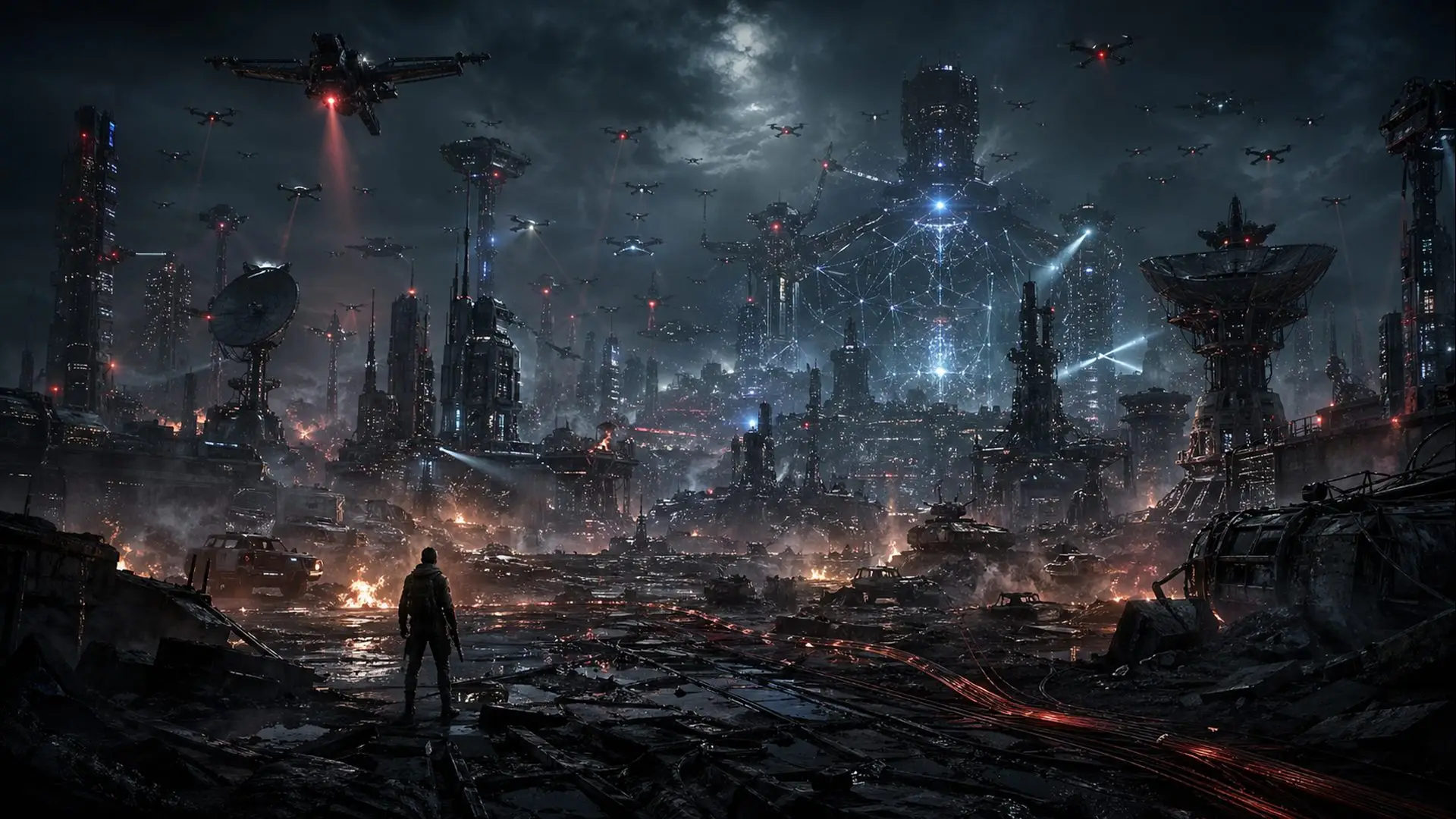
It conjures up the scene of a battlefield that once belonged to science fiction: a fight waged by drone swarms, “Terminator” style ground robots, and systems that can sense, decide, and strike faster than humans can react.
On the surface, the Strait of Hormuz looks like a familiar crisis over oil, ships, and Iran.
But after my conversation with Antal, I see a wider test: whether America can protect global commerce, deter China, and adapt to warfare increasingly driven by drones, robotics, and artificial intelligence.
FAQs
Why does John Antal see the Strait of Hormuz as strategically important?
Antal says the Strait of Hormuz is a vulnerable maritime choke point where oil, commerce, drones, and American power converge. At its narrowest point, it is only 29 nautical miles wide, with narrow navigable channels for inbound and outbound shipping.
What does Antal mean by drones creating a new high ground of war?
He argues that drones dominate the contested space above ground forces but below fast aircraft. Over land, he calls it the land-air littoral; over water, he describes a sea-air and subsurface zone.
How does China factor into the Hormuz crisis?
Antal describes China as America’s primary adversary and says Beijing benefits if the United States becomes tied down with Iran, depletes missile stockpiles, and shifts attention away from the Pacific and Taiwan.
What is a drone swarm, and why does Antal consider it likely?
A drone swarm involves many drones operating in a coordinated attack. Antal says the concept is “very possible” and points to demonstrations involving thousands of drones as evidence of where the technology is headed.
What does “Bots Before Boots” mean?
Antal uses the phrase to describe a future in which infantry units send robots and drones into danger before soldiers, reducing immediate human exposure but accelerating the pace and automation of combat.
Subscribe to my “Stories To Keep You Safe” Newsletter
In a world where evil often walks among us, disguised by the ordinary, vigilance is critical. As someone who has seen what happens when people are caught off guard, I am on a mission to provide you with the knowledge that could one day save your life.
Stories to Keep You Safe arms you with the insights you won’t find in the daily news—because I know that criminals don’t always look dangerous, and every step you take could make the difference between being a target and staying safe.
I also warn you about the latest threats from Artificial Intelligence and dangerous products.
Purchase my Books
“Texas Crime Stories” audiobook. It downloads into your podcast app.
Paperback & Kindle editions on Amazon.
This blood-chilling true-crime anthology peels back the curtain on some of Texas’s most disturbing and unforgettable criminal cases. From cold-blooded murder to unspeakable betrayal, each story dives deep into the hearts of both victims and perpetrators, unearthing the truths buried beneath public headlines and official accounts.
Schedule Me To Speak at your social meeting or corporate event.
My presentation, “Evil Walks Among Us,” features stories about serial killers, infamous criminals, cold cases, and personal safety tips.
GET YOUR EXCLUSIVE DISCOUNT PROMO CODES
41% Off Cozy Earth Sheets, Pajamas and More
20% Off Eric Javits Designer Hats Worn by True Crime TV Detectives
20% Off HyperNatural Men’s Polo Shirts
15% Off TONA Activewear Designer Gym Leggings
15% Off STAND+ Comfort Shoes For Extended Standing
10% Off AKILA Sunglasses and Eyewear