What You Will Learn
- Why former FBI agents say distraction and phone use can make it harder to notice danger around you.
- How Robin Dreeke’s “Stop. Pause. Observe.” habit can help you notice changes and assess a situation.
- Which behavior patterns and household precautions the experts identify when evaluating personal safety.
The Life-Saving Habit of Staying Alert
“She never saw it coming.” Those chilling words ran through my mind as I reviewed the security footage from a campus tragedy at the University of Texas in 2016.
Eighteen-year-old Haruka Weiser vanished after leaving dance class during what should have been an ordinary Sunday night walk back to her dorm.
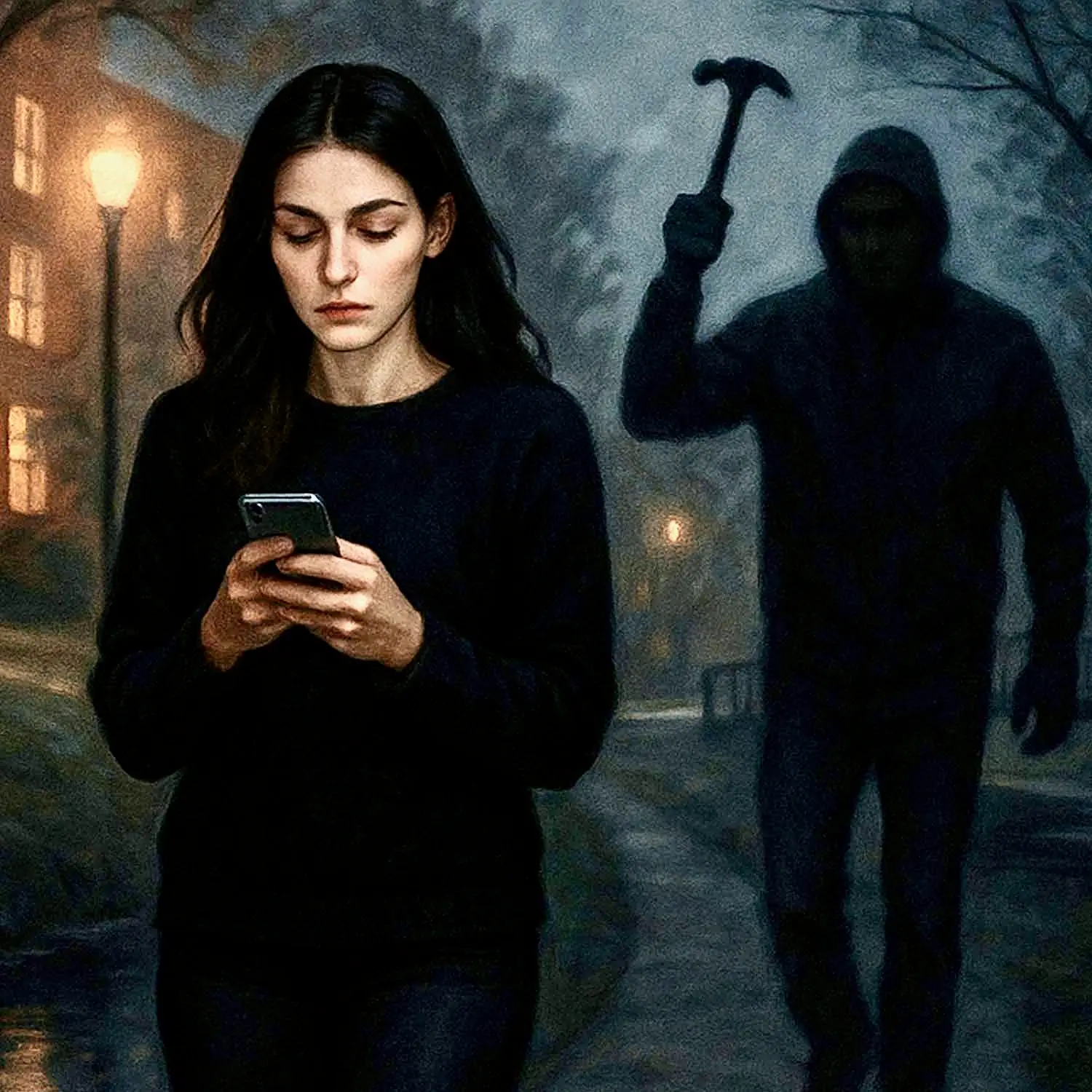
Like countless students, she carried her cell phone and texted as she walked.
A large teenage man stalked her from behind and pulled a claw hammer from his pants.
Eight minutes after Ms. Weiser had called her roommate to say she was on the way, her texts abruptly stopped. She never made it back to the dorm.
Haruka’s lifeless body was found two days later, hidden under brush beside Waller Creek.
She had done nothing wrong. The fault lies solely with the predator who raped, strangled, and clubbed her to death.
But the lesson haunts us because danger doesn’t announce itself. It waits in silence for a moment of vulnerability.
I’ve learned from former FBI agents and crime experts I interviewed on my True Crime Reporter® podcast that survival often comes down to what you miss.
Avoid the Wolf’s Den
I turned to Tase Bailey, a former FBI agent who tracked drug kingpins and killers on the violent crime squad in Dallas. Bailey doesn’t mince words.
“Avoid risky circumstances,” he told me. “Some of the bars you go to in some particular areas, you may want to avoid those. And think about the people you deal with. What are their backgrounds? What are their moral standards?”
Bailey’s advice may sound obvious. But time and again, people walk straight into danger simply by ignoring their surroundings or placing trust where it hasn’t been earned. “Know what you’re getting yourself into,” Bailey warned.
It’s not paranoia. It’s preparedness.
Distraction Kills: Eyes Up, Not on Your Screen
Katherine Schweit, a former FBI Special Agent and federal prosecutor, drilled into a deadly habit, screen addiction.
“The biggest, most important thing you can do is get your eyes out of your phone,” she said. “I worked two cases where a guy with a gun was standing in the lobby of a building. People walked into the lobby, reading their phones. They either got shot or held at gunpoint.”
Situational awareness is your first line of defense. Schweit puts it bluntly: if you’re uncomfortable with someone on the street, cross the street. If someone sketchy enters the elevator, get out. “Nobody’s going to be embarrassed if you take off running because you’re not comfortable,” she said.
So, how do we navigate life without constantly looking over our shoulders?
Stop. Pause. Observe.
Robin Dreeke, former head of the FBI’s elite Behavioral Analysis Program, teaches something that sounds almost Zen. “Stop. Pause. Observe,” he advised on my podcast.
“We get so wrapped up in tempo,” Dreeke explained. “We don’t take that second to pause without an agenda, and just observe. See the world as it is.”
When Dreeke walks out his front door, he stops, looks left, then slowly right. He takes a mental snapshot. “When you return home, do the same thing. If something feels different, that’s when you take a pause. You assess.”
I told him I’d seen people in my neighborhood walk into grocery stores at night, eyes glued to their phones, headphones in. Dreeke sighed.
“You’re making it easier to be chosen by a predator,” he said. “Think of predators like wolves. They don’t go for the strong animal. They go for the one that looks easy to take down.”
Trust Isn’t A Feeling. It’s A Behavior Pattern
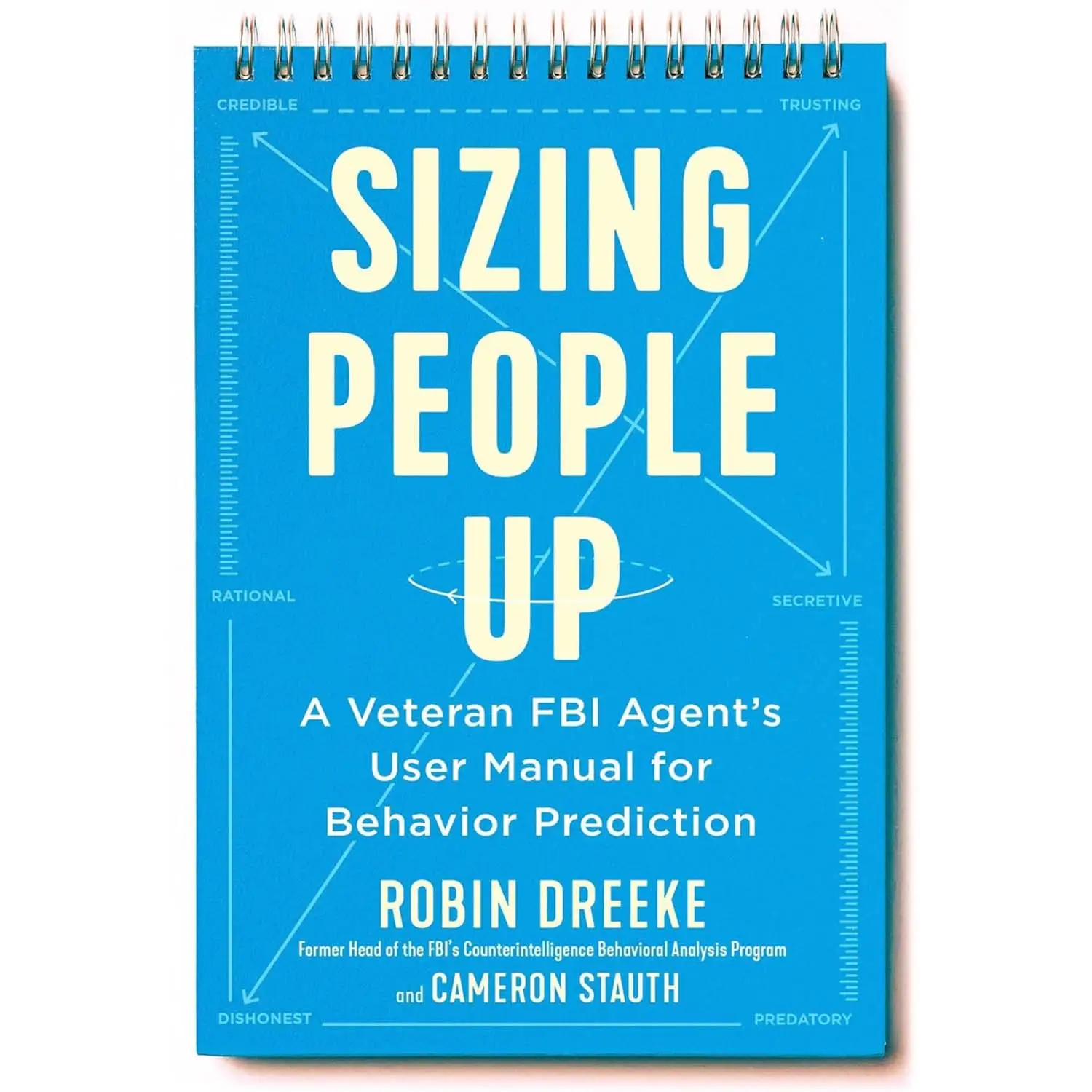
Dreeke’s book Sizing People Up dives into the psychology of trust and risk. “Past patterns of key behaviors are good predictors of future ones,” he told me. “Especially when you’re assessing for safety.”
He urges people to pay attention to behavioral arcs. Unhealthy, unreasonable behavior often escalates over time. If someone has outbursts of rage or blames others with no accountability, that’s a red flag.
“Healthy people don’t suddenly become violent,” he noted. “There’s always an escalation.”
Inside the House: Trust, Betrayal, and the People Closest to You
Claire St. Amant, a former producer for CBS’s 48 Hours and author of Killer Story: The Truth Behind True Crime Television, echoed a chilling truth.
“If you’re not worried about the person sleeping next to you, then you’re probably going to be okay,” she said. “Your intimate partner is your biggest risk for violent crime.”
She warns homeowners to be cautious about anyone allowed into their space, including contractors, housekeepers, and technicians. “A lot of times, these people may be casing houses to see who would be an easy target.”
Her strategy? Ensure they are aware that they’re being monitored. “I wave at the camera when they come in. I want them to know it’s on. I also have a large dog that barks. Simple things that make you a less likely target.”
Pay Attention To Your Gut Feelings
What ties all these stories together is one core principle: listen to your instincts.
“There’s no such thing as a random crime,” Dreeke said. “There’s almost always a connection. And most victims never saw it coming because they ignored the signs.”
You feel it in your gut. The hairs on your neck stand up. A spidey-sense tingling warns you about impending danger.
I share these stories, told by those who have stared evil in the face, to help you prepare for the unexpected.
This isn’t about carrying a weapon. It’s about arming your mind with the awareness and instincts that keep you safe.
Begin with former FBI agent Robin Dreeke’s simple method: Stop. Pause. Observe.
To sharpen your instincts, subscribe to my newsletter Stories To Keep You Safe at TrueCrimeReporter.com. Make it a habit to slow down and see what others miss.
Because danger rarely announces itself. And the hard truth is this: most victims never saw it coming.